Best time to go to Iceland
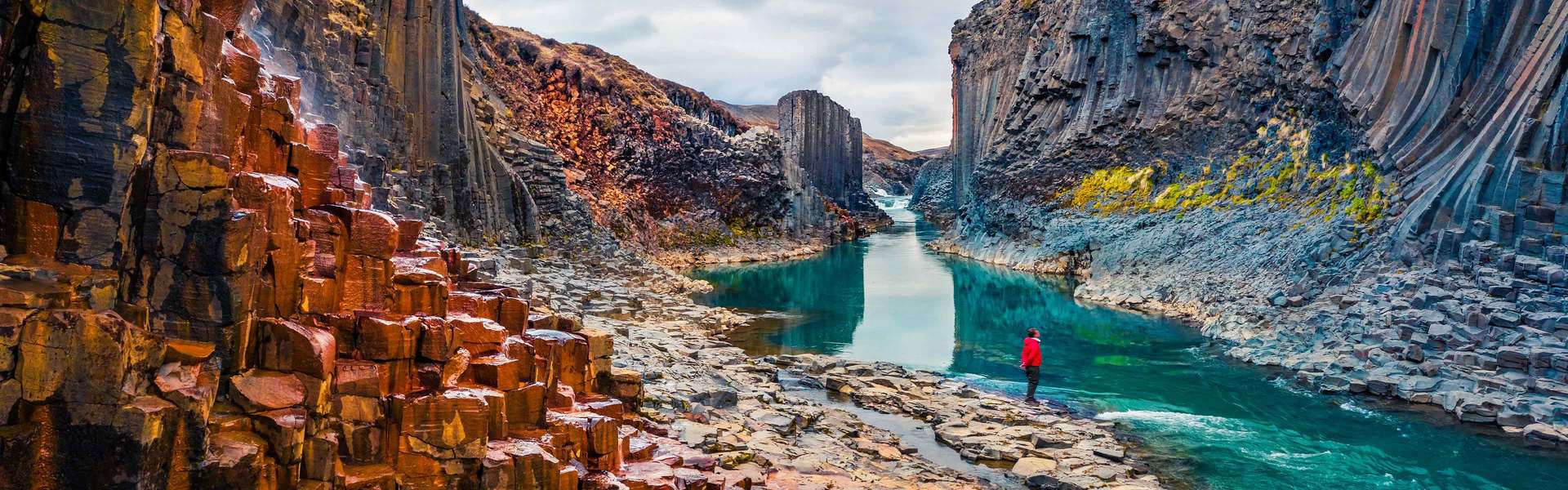
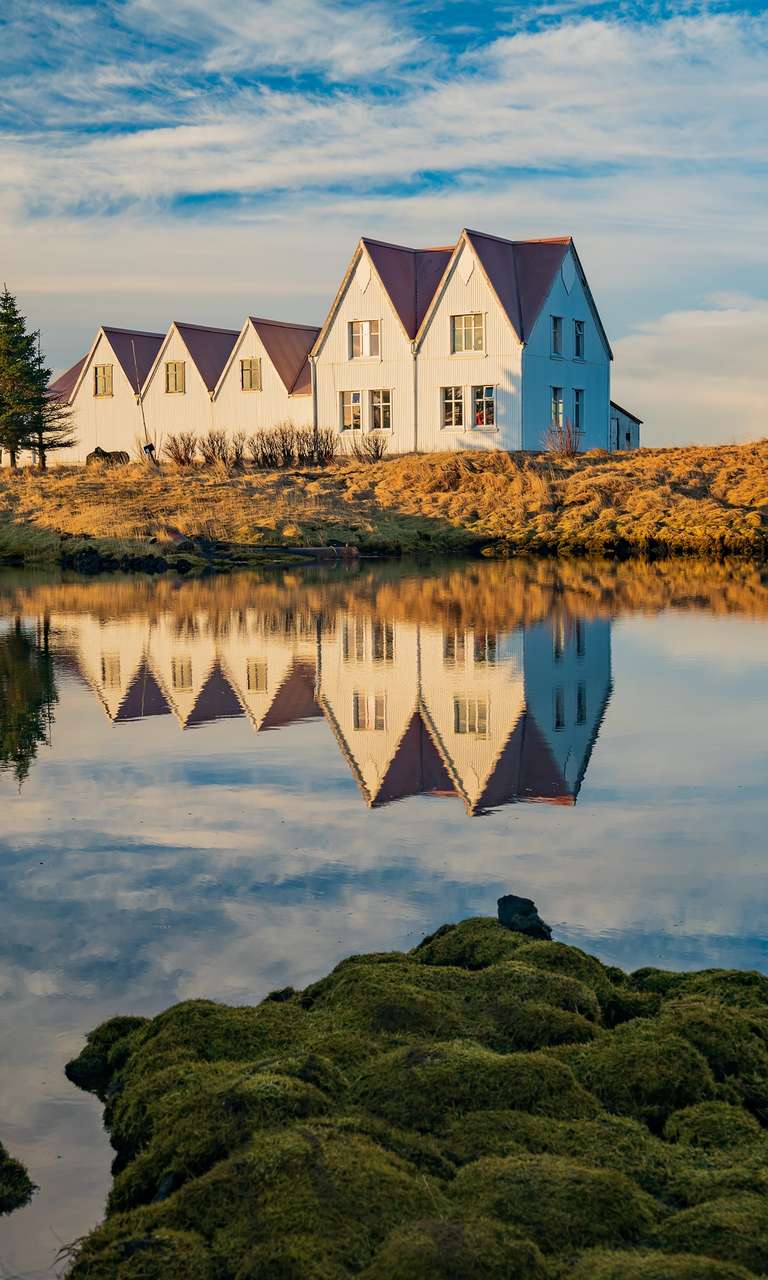
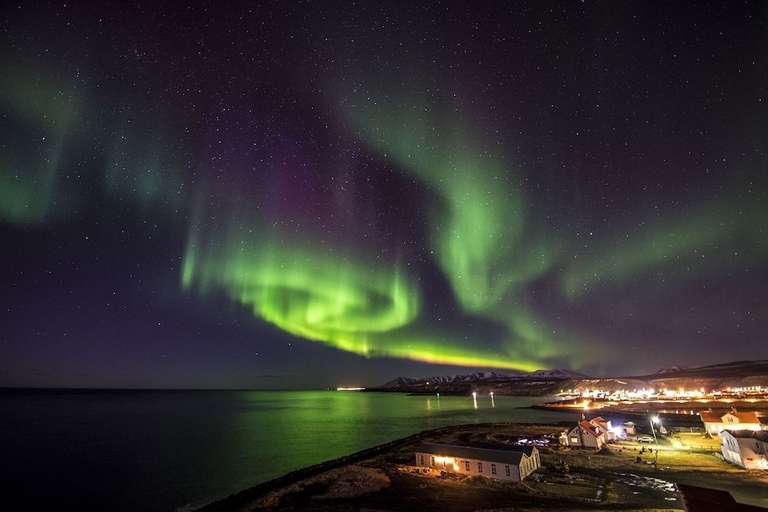
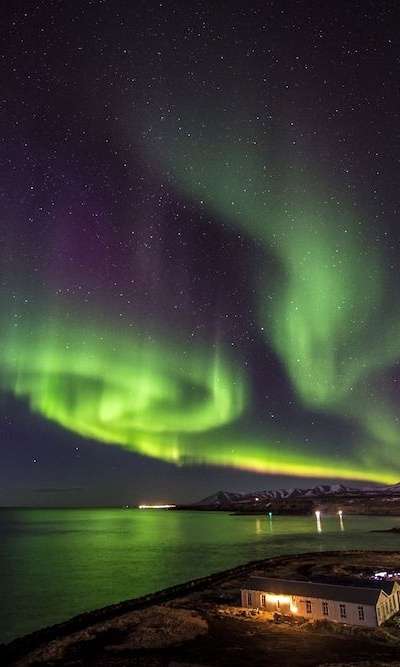
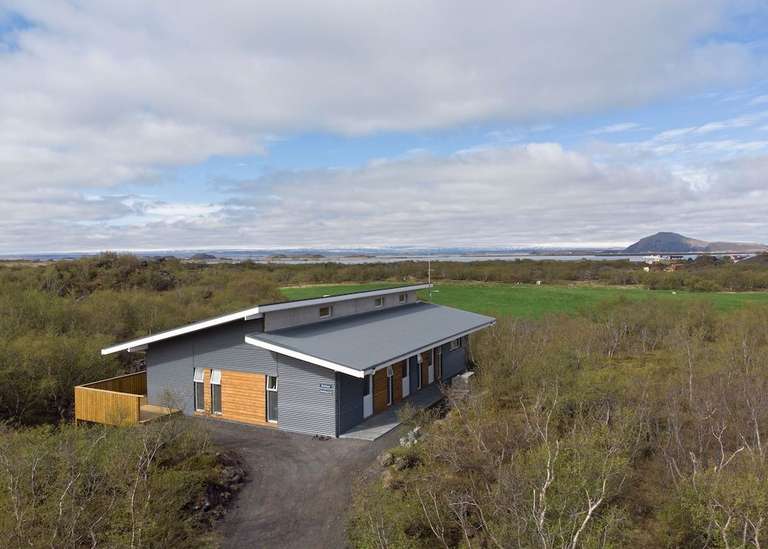
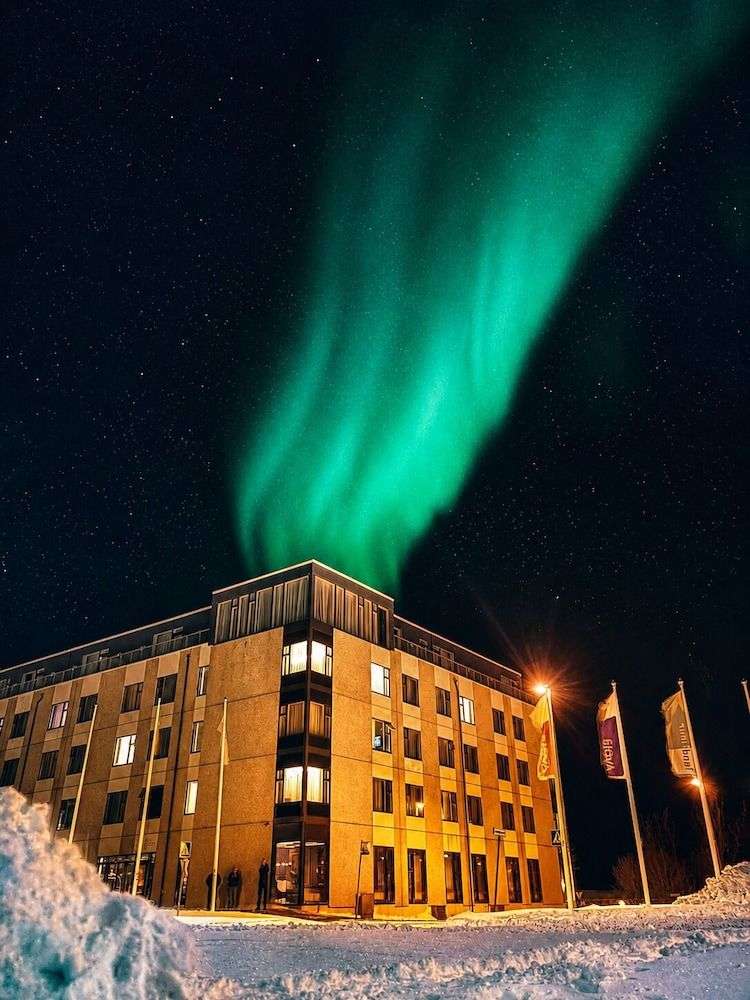
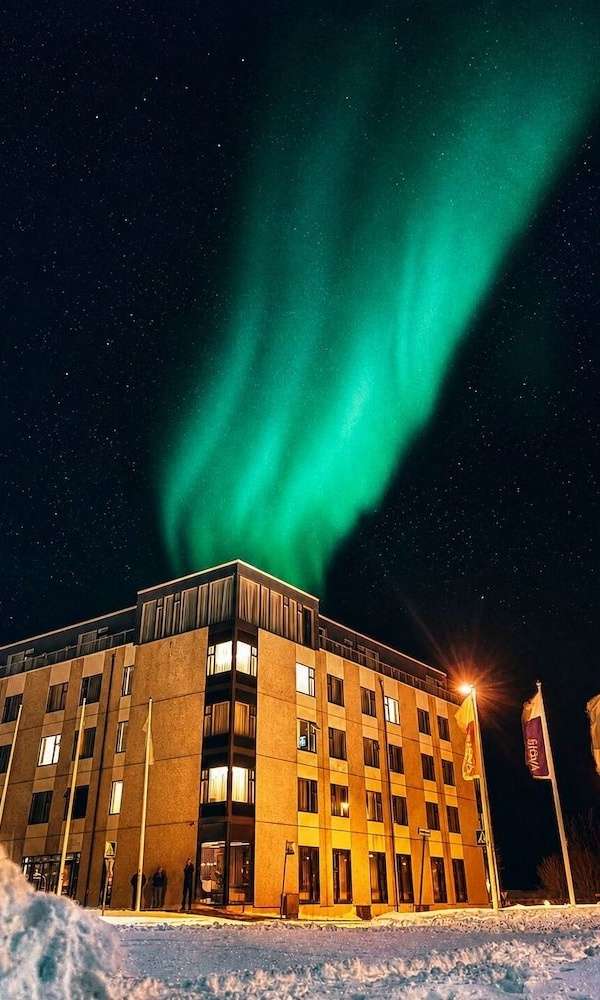
Consider your interests and what you hope to see most when deciding when to visit Iceland. Summertime in Iceland (June–August) is the perfect time to explore the beautiful landscapes, hike trails, and witness the Midnight Sun phenomenon, with temperatures ranging from 10–15°C. From December through February, the weather drops to a chilling -1°C to 4°C, making it the perfect time to experience the hypnotic Northern Lights and exciting winter pursuits like hiking glaciers and exploring ice caves. Spring (March–May) and autumn (September–November) are great times to visit if you want to avoid the crowds, enjoy mild temperatures (about 5–10°C), and see the beautiful landscapes as they change with the seasons.
How to get to Iceland
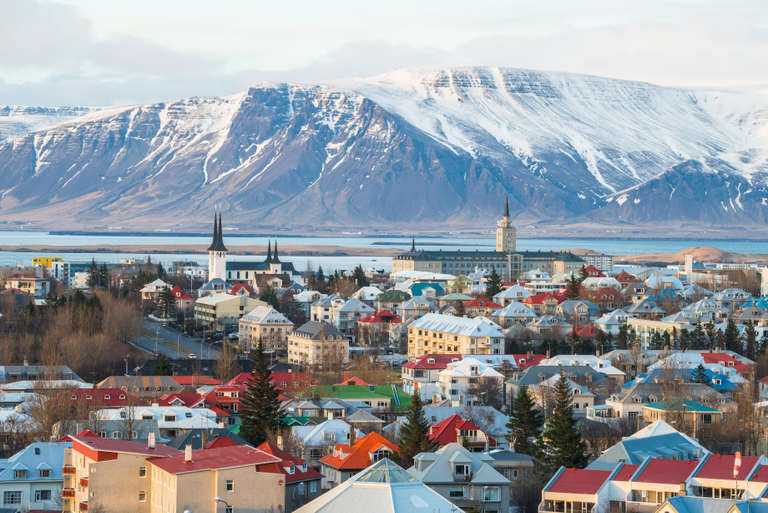
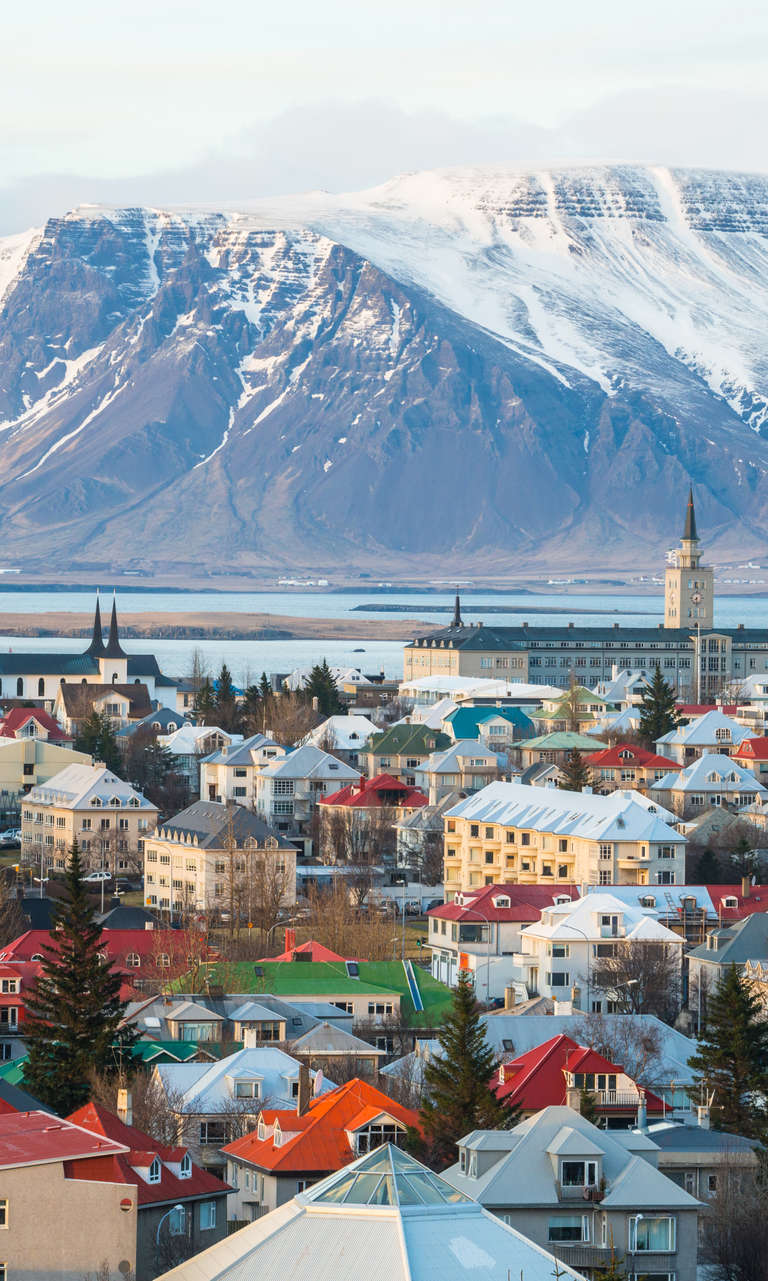
Most visitors fly to Iceland. Getting to Iceland from UK airports is straightforward. Several airlines operate direct flights from major UK airports like London Heathrow, Gatwick, and Manchester to Keflavík International Airport near Reykjavik. Flight duration typically takes around 2-3 hours. Upon arrival, travellers can easily access Reykjavik city centre via airport shuttles, taxis, or rental cars. Public buses also offer affordable transportation options. For exploring the island further, domestic flights, buses, and rental cars are available.
Getting around Iceland
Cars are Iceland's main mode of transportation, providing flexibility and access to remote areas. The Ring Road (Route 1) offers a scenic route around the island, while smaller roads lead to hidden gems. Public buses and domestic flights are available but may have limited schedules. Additionally, guided tours and rental vehicles are popular ways to explore Iceland's diverse landscapes, which include glaciers, waterfalls, and volcanic terrain.