
Holidays to Sardinia
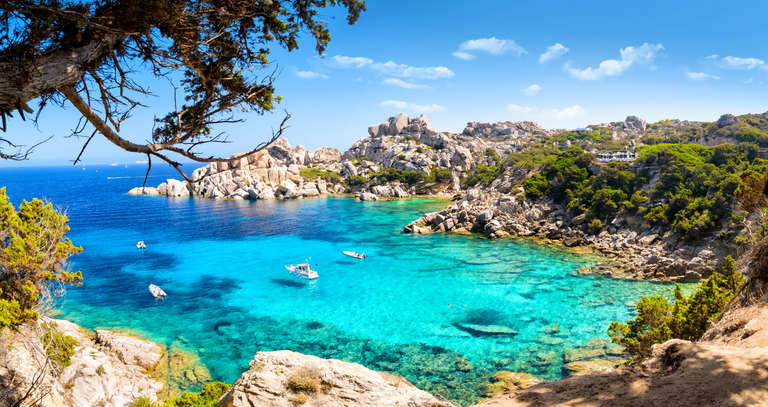
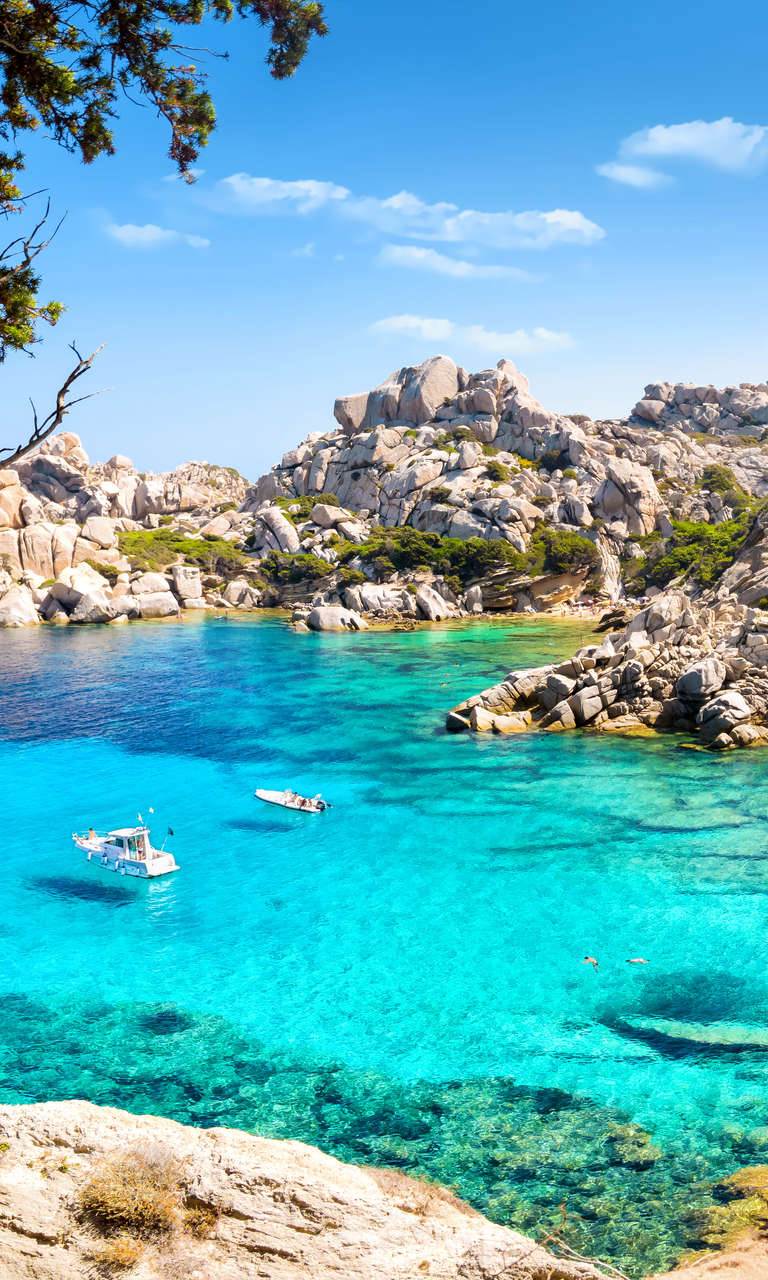
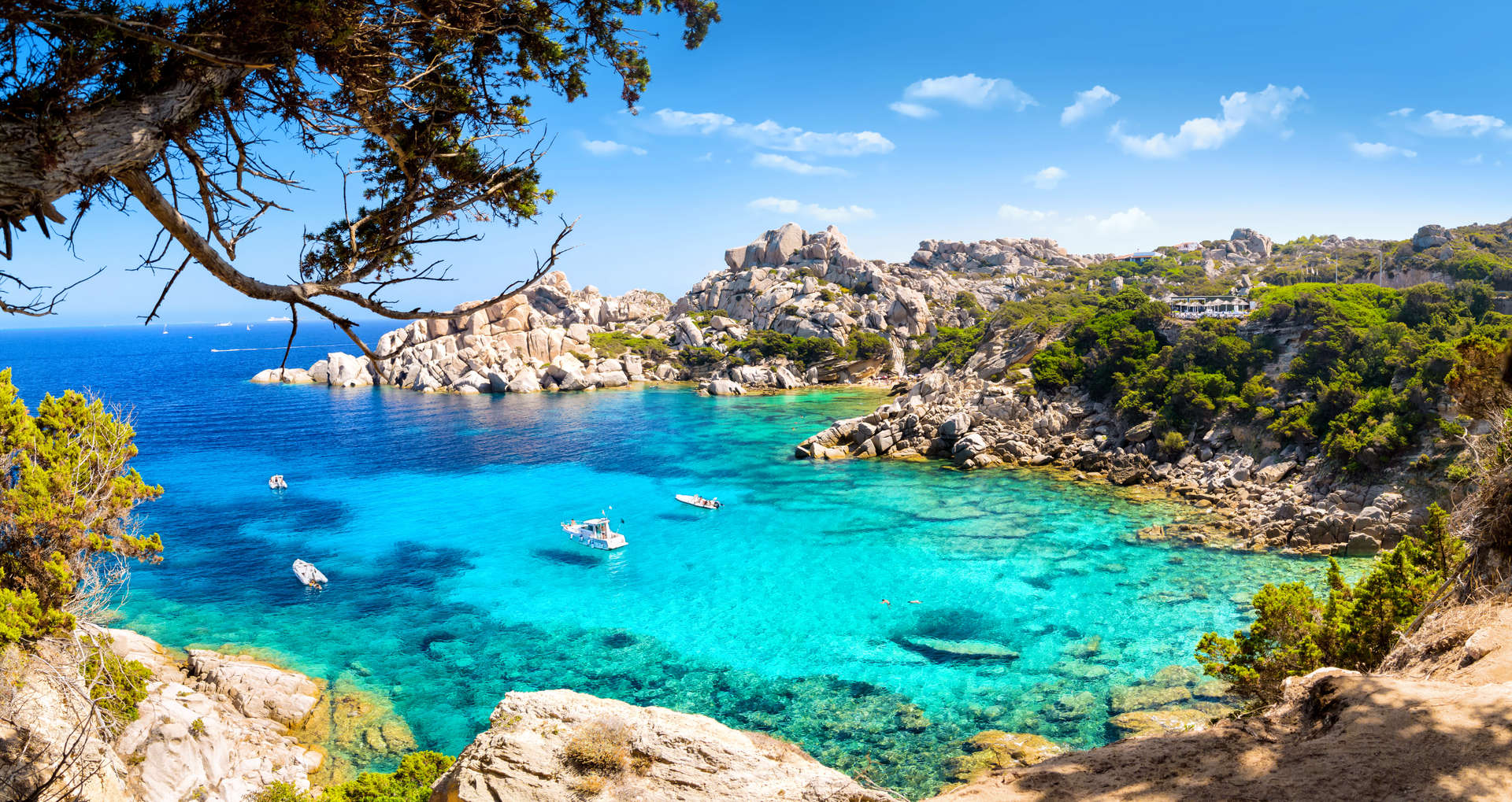
When considering your next getaway, Sardinia holidays promise an enchanting blend of rich history, picturesque landscapes, and pristine beaches that capture the heart of every traveller. This stunning Mediterranean island, known for its rugged coastline and charming villages, offers everything from thrilling water sports to idyllic sunbathing spots along the famous Costa Smeralda. Those interested in local culture will find a wealth of traditional cuisine and fascinating archaeological sites to explore. Whether you're seeking adventure or relaxation, Sardinia has something for everyone. Don't miss out—check our fantastic deals and offers to Sardinia today!
Last Minute deals to Sardinia
Find exceptional, limited-time savings on Flight + Hotel holidays, exclusive to lastminute.com
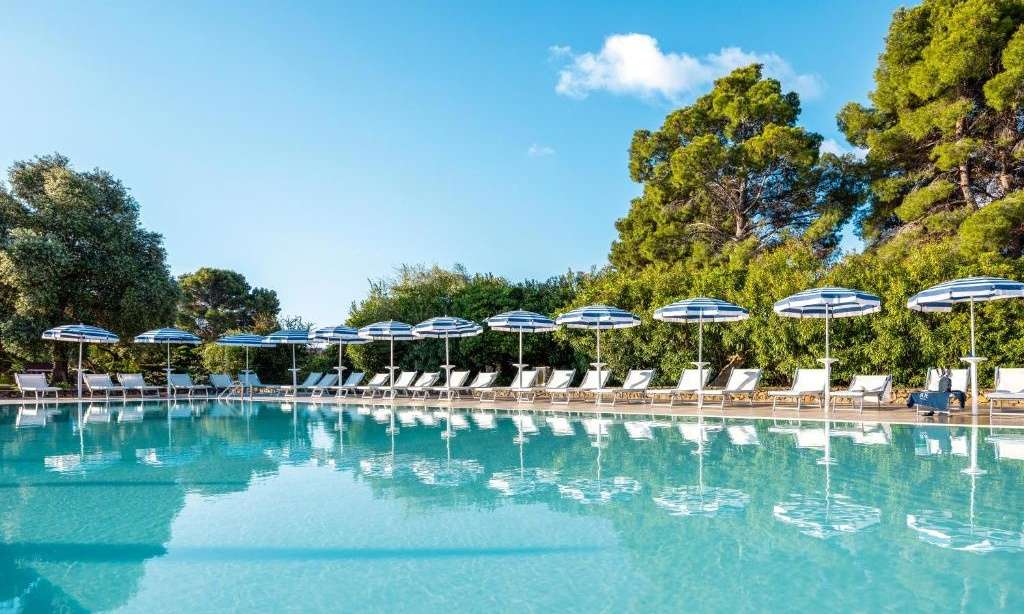
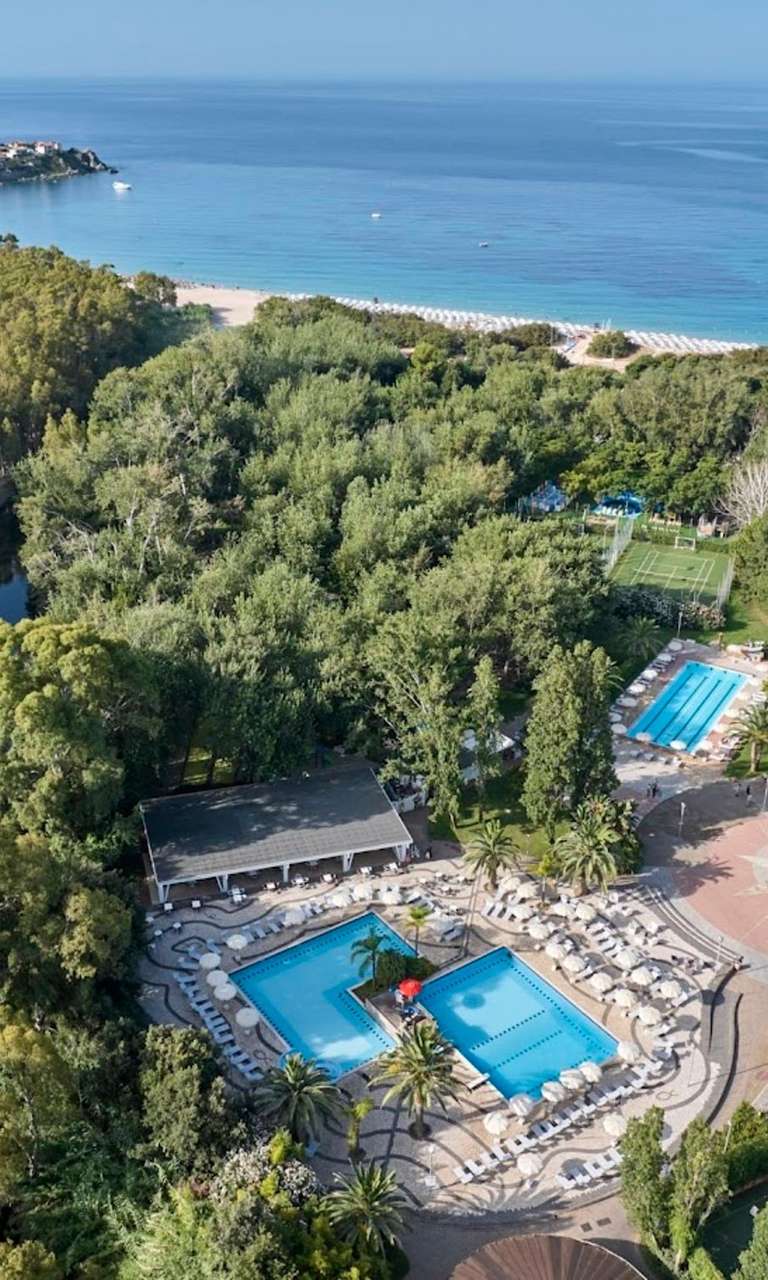
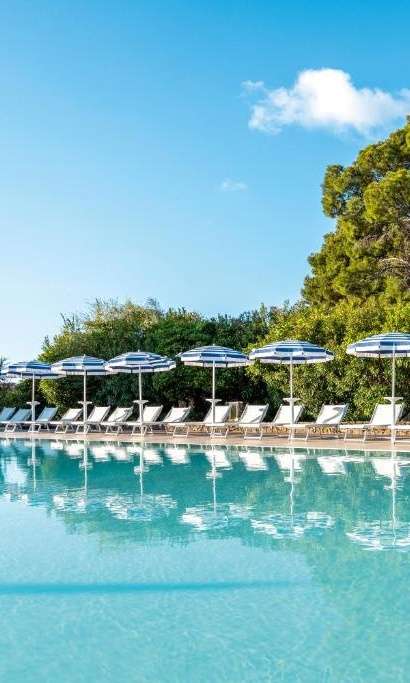 Flight + HotelCharming apartments surrounded by greenery just 300 metres from a sandy beach
MClub Budoni
1,386 reviews
7 nights16th Oct - 23rd OctFlights includedDublinall inclusivefrom 768 € ppfrom768 €
pp1 of 5 slides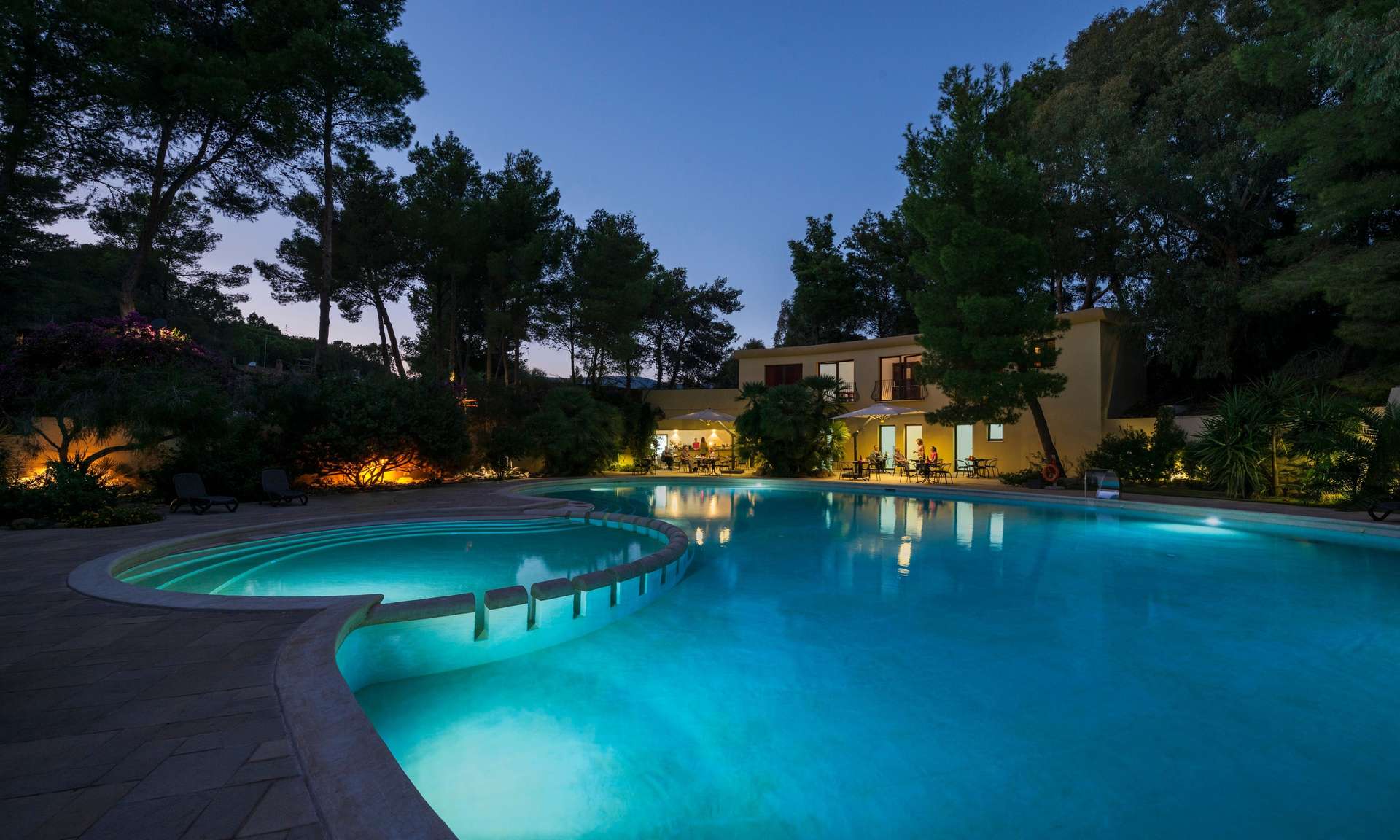
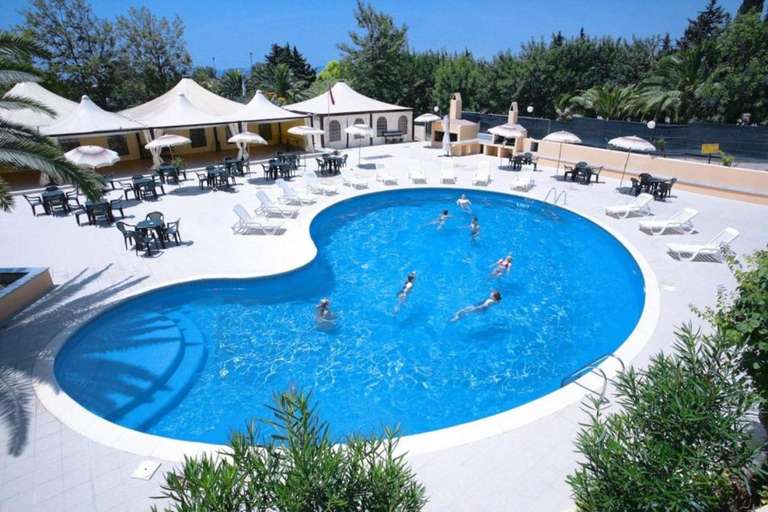
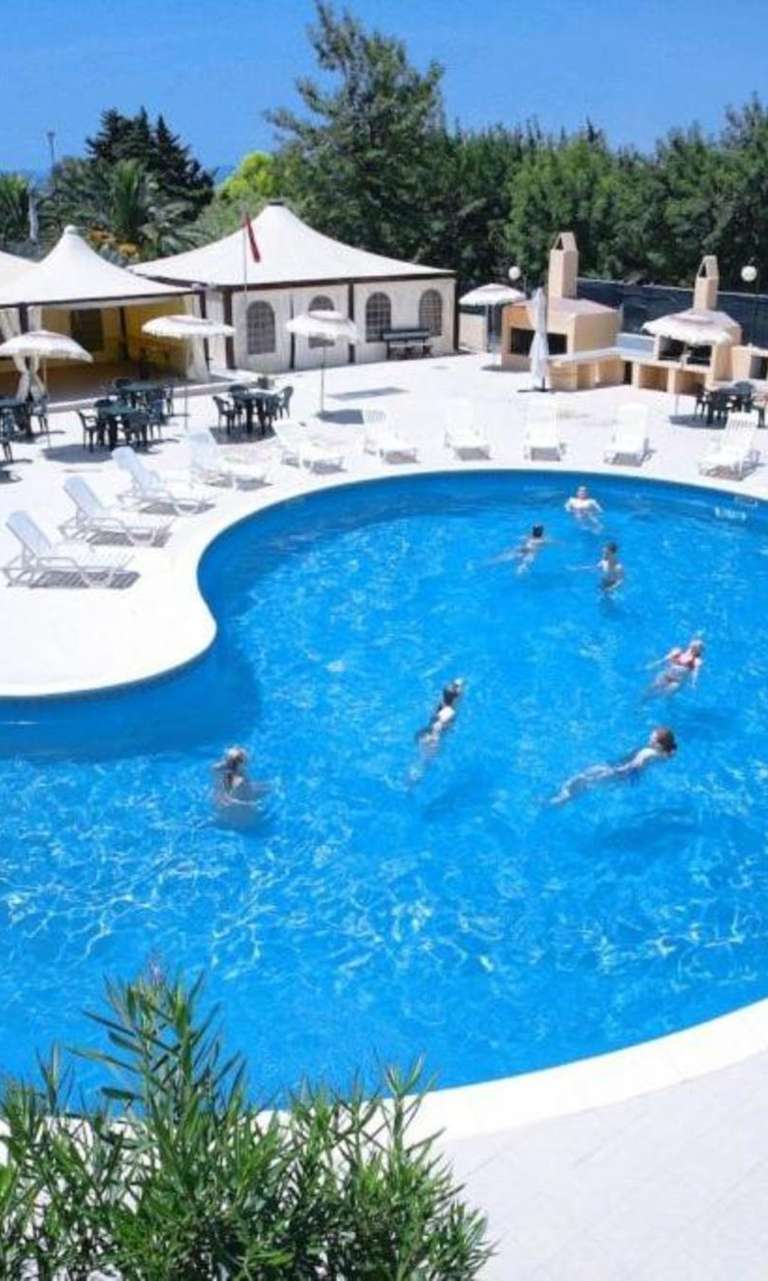
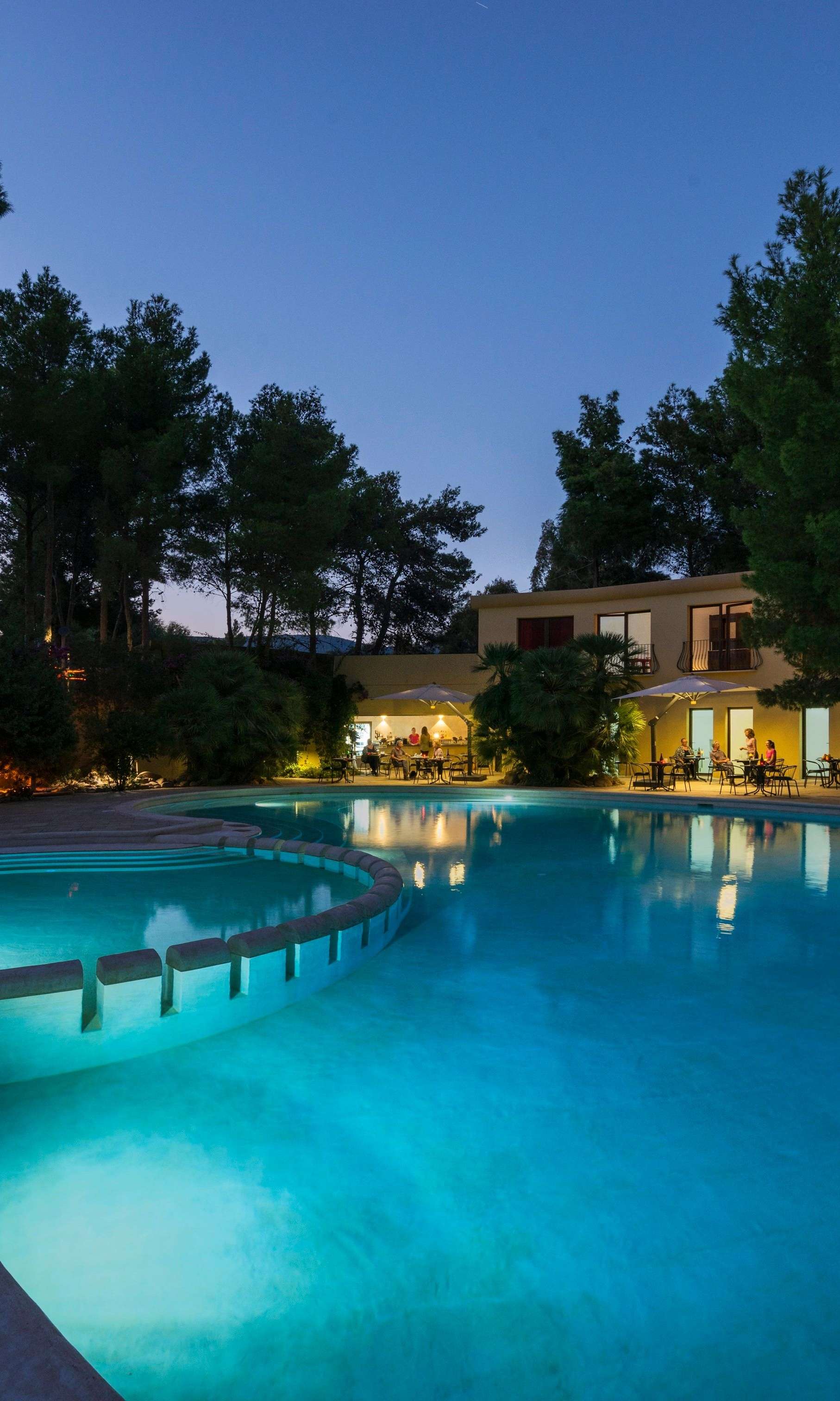 Flight + HotelSmall residential apartment complex surrounded by pine forests, minutes from the beach.7 nights1st Oct - 8th OctFlights includedDublinfrom 545 € ppfrom
545 €
pp1 of 5 slides
Most popular cities in Sardinia
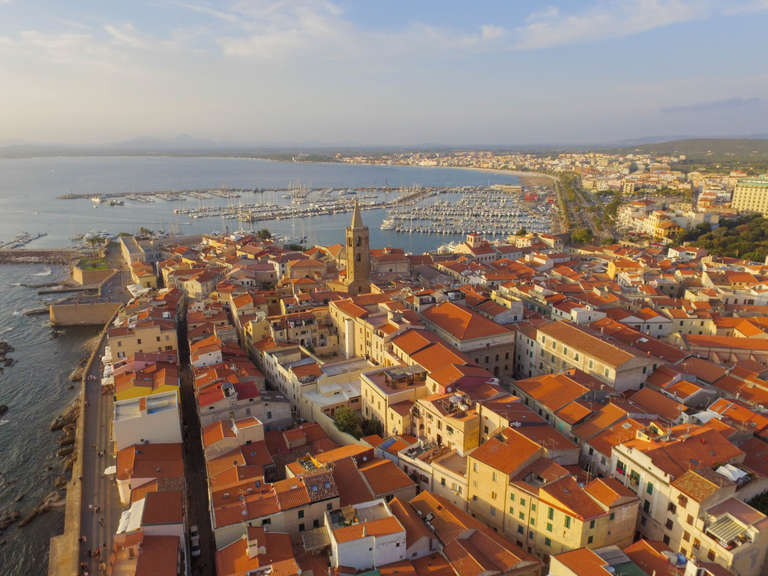
How does booking Flight + Hotel make travel even better?

Combine and Save
Enjoy access to special prices, only available on package deals.

Tailor-made trips
Choose from thousands of flights, hotels and stays.

Spread the cost
Book with a small deposit and pay the rest later.

Everything you need
Quickly add insurance, luggage, rental cars and more.
Top holiday packages to Sardinia
- from Dublin, International (DUB)
- from Cork, International (ORK)
 Flight + Hotel
Lh Pedraladda Resort
62 reviews
4 nightsFlights includedDublinbreakfast included825 m from city centrefrom 296 € ppfrom296 €
pp1 of 5 slides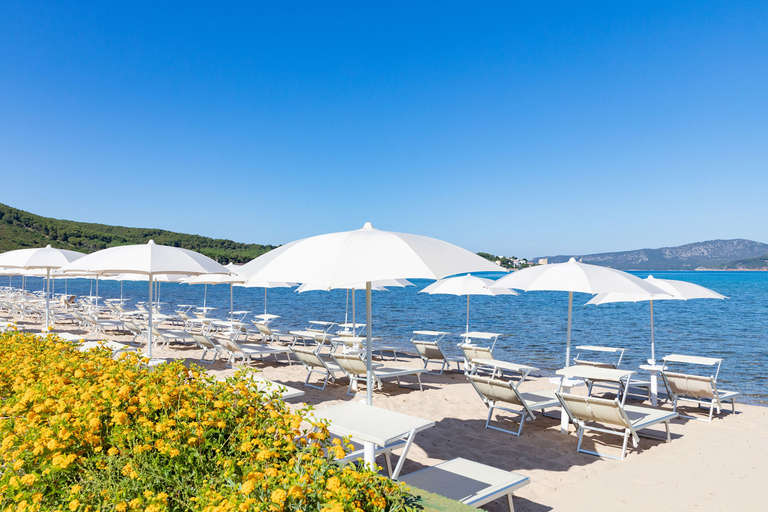
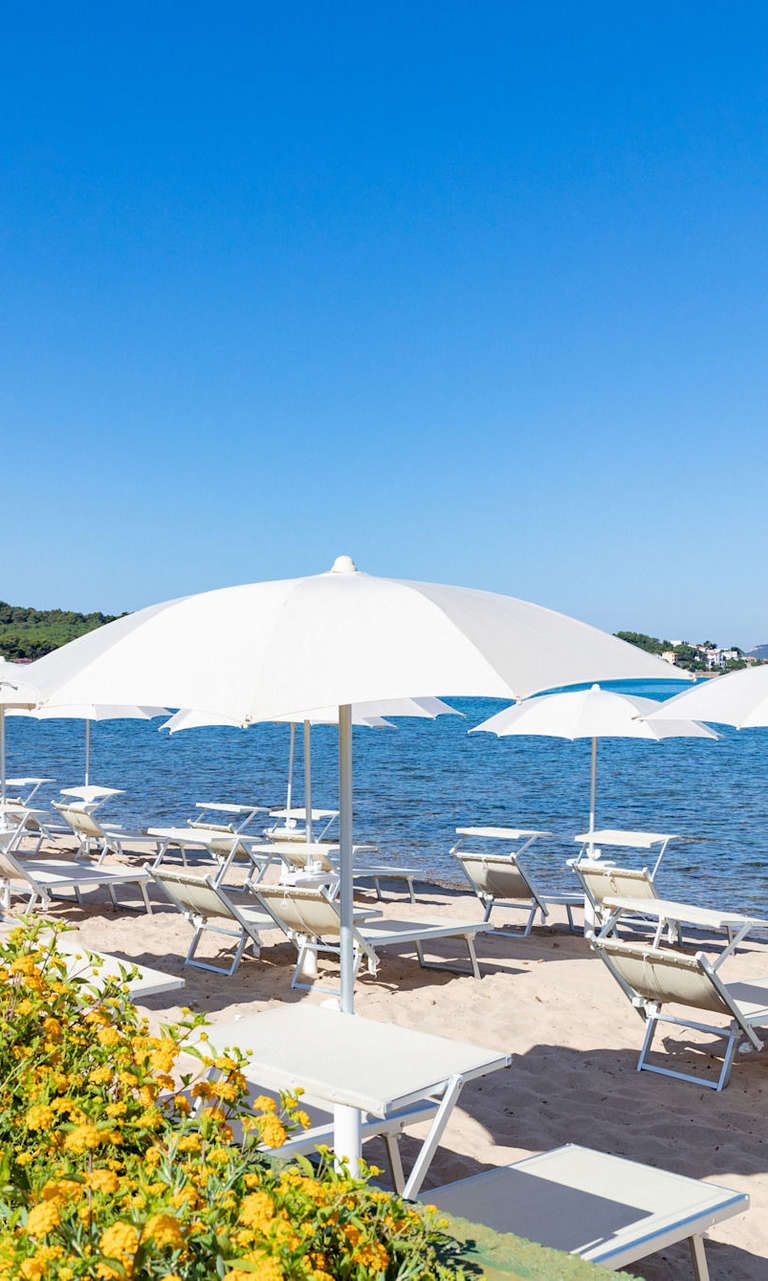 Flight + Hotel4 nightsFlights includedDublinbreakfast included9.21 km from city centrefrom 422 € ppfrom
422 €
pp1 of 5 slides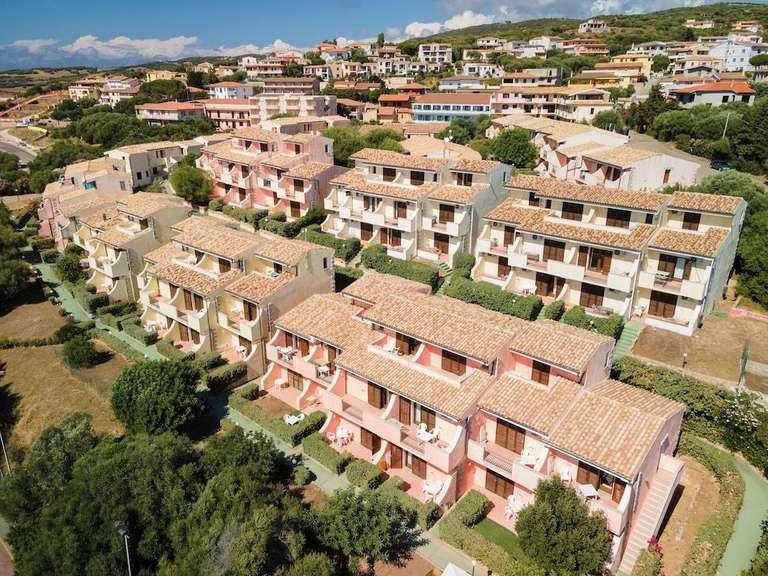
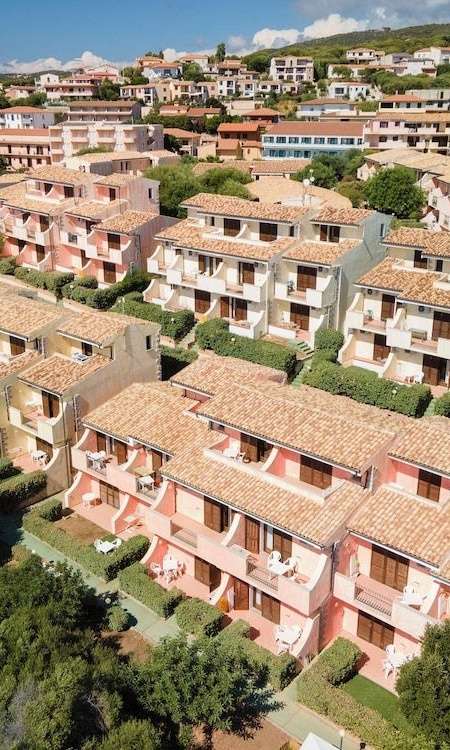 Flight + Hotel
Residence Il Borgo di Badesi
25 reviews
4 nightsFlights includedDublin786 m from city centrefrom 178 € ppfrom178 €
pp1 of 5 slides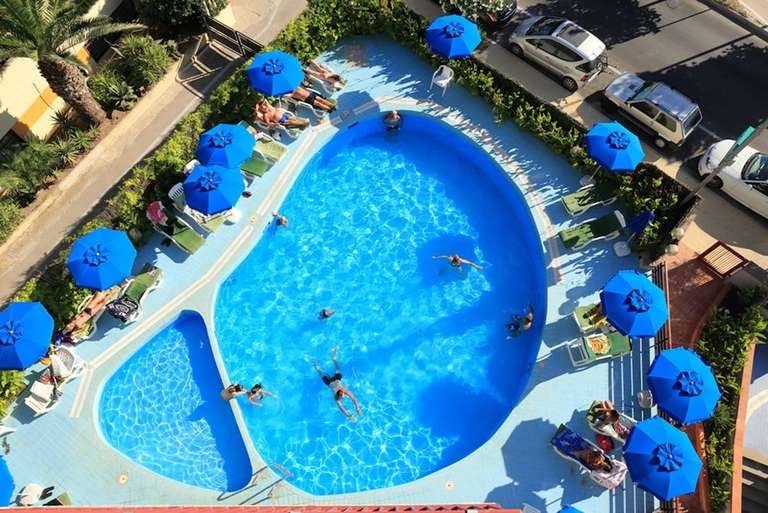
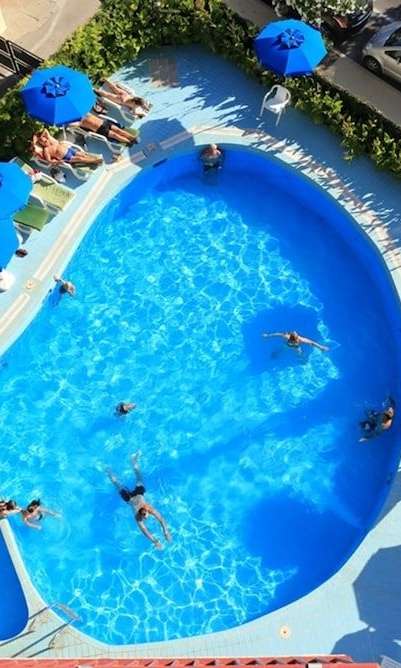 Flight + Hotel
Hotel Soleado
598 reviews
4 nightsFlights includedDublin1.43 km from city centrefrom 321 € ppfrom321 €
pp1 of 5 slides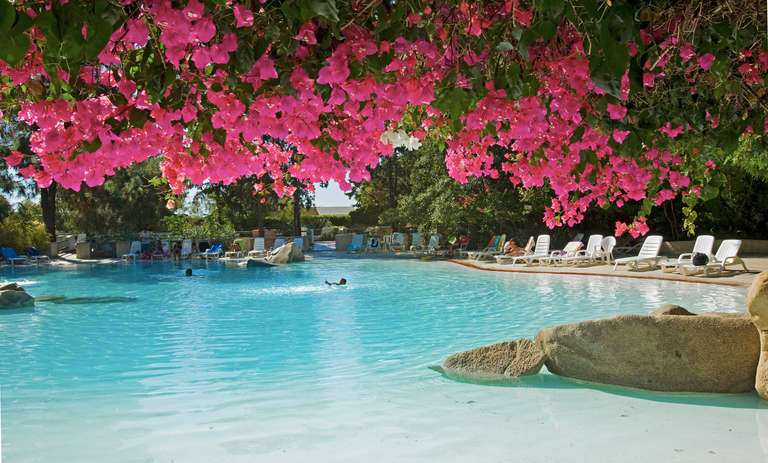
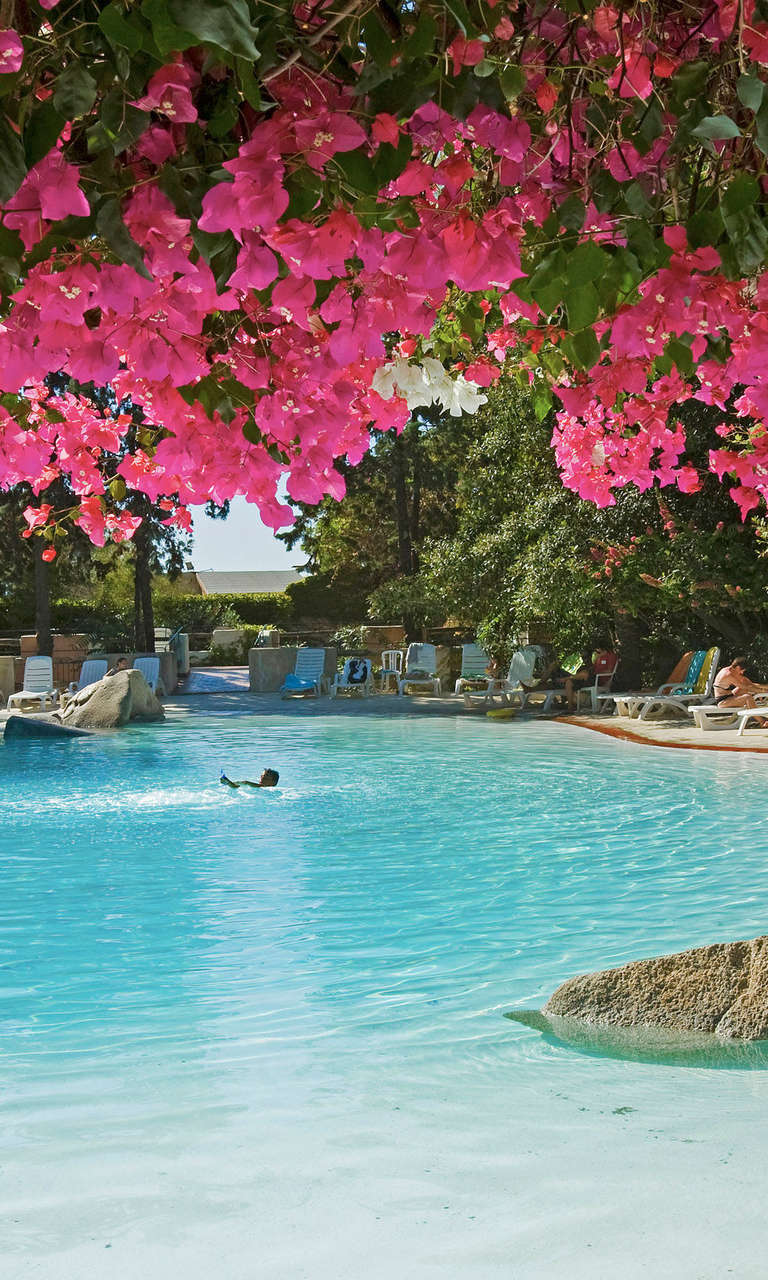 Flight + Hotel
Arbatax Park Resort - Telis by Falkensteiner
226 reviews
Flights included4.71 km from city centre1 of 5 slides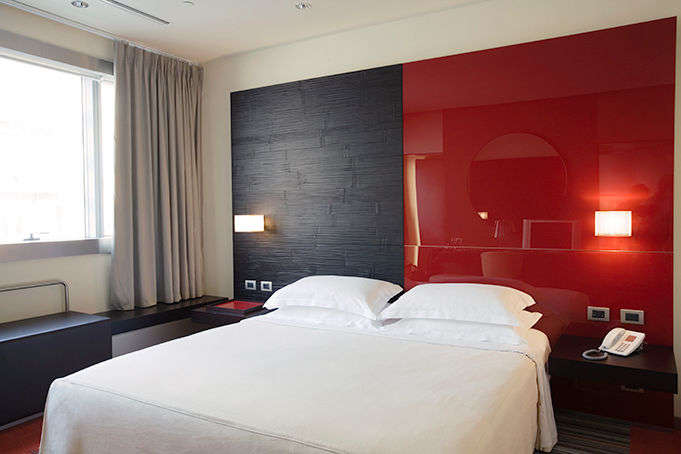
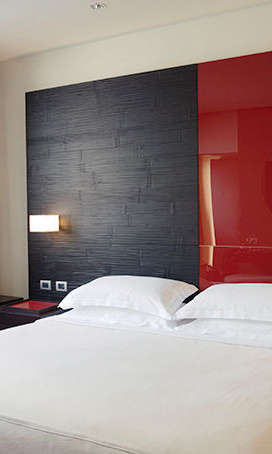 Flight + Hotel
UNA HOTELS T Hotel Cagliari
2,599 reviews
Flights included1.5 km from city centre1 of 5 slides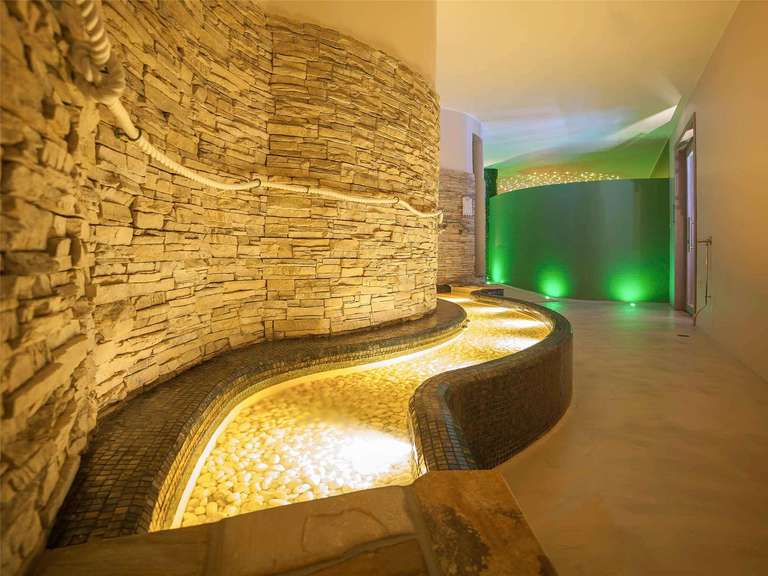
 Flight + Hotel
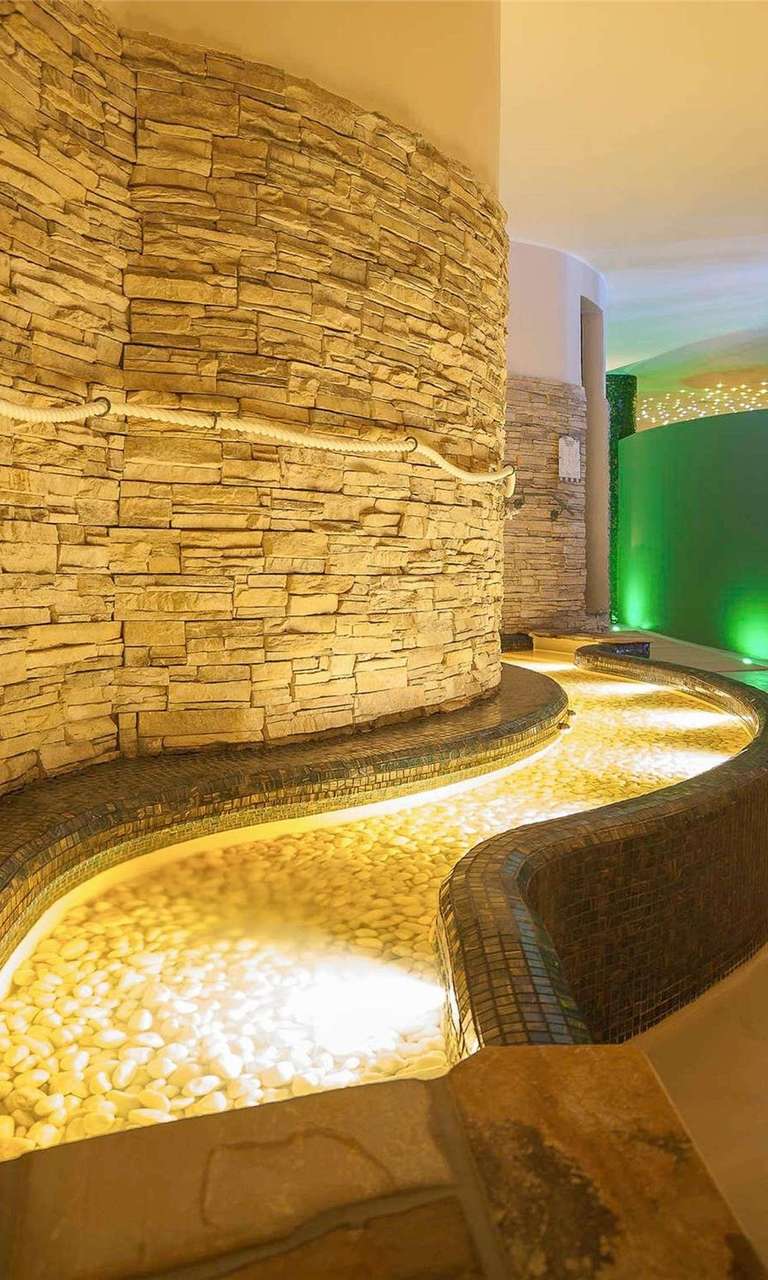
Mercure Olbia Hotel e Spa
1,015 reviews
4 nightsFlights includedDublinbreakfast included749 m from city centrefrom 707 € ppfrom707 €
pp1 of 5 slides
Trusted by thousands of travellers
Our most popular holiday packages to Sardinia
- from Dublin, International (DUB)
- from Cork, International (ORK)
 Flight + Hotel
Exoria Luxury Rooms & SPA
3 reviews
Flights included2.38 km from city centre1 of 5 slides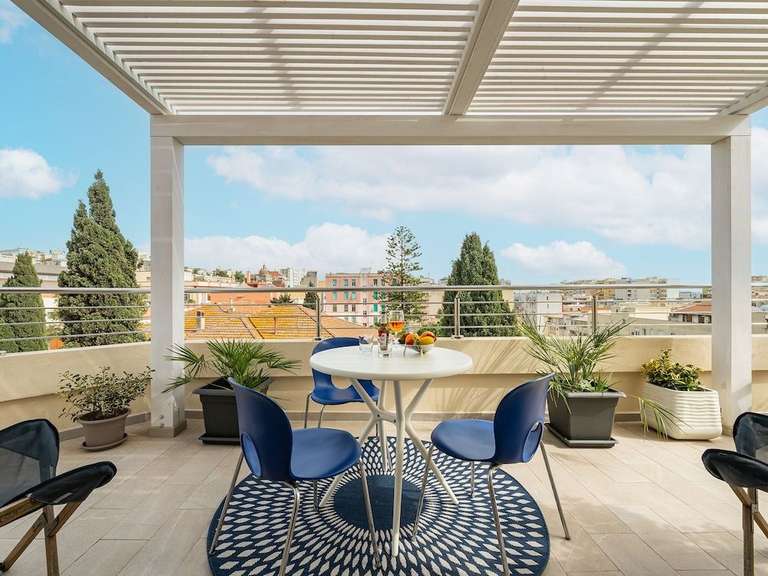
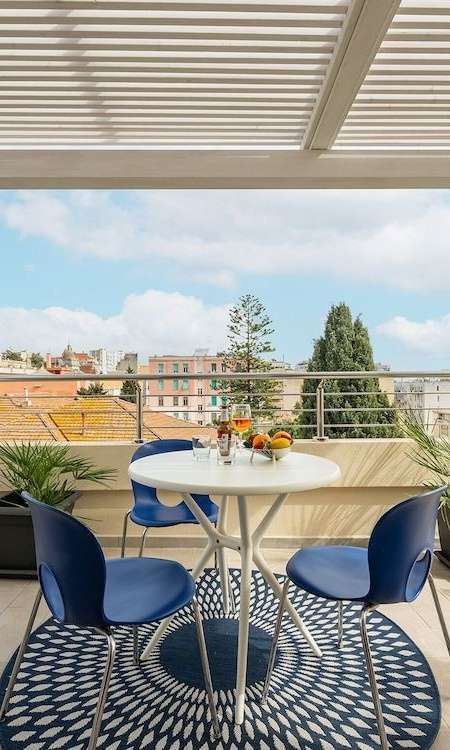 Flight + Hotel
Le residenze di Carlà - Stampace
12 reviews
Flights included978 m from city centre1 of 5 slides Flight + Hotel
Ros'e Mari Green Home Hotel
5 reviews
Flights included3.28 km from city centre1 of 5 slides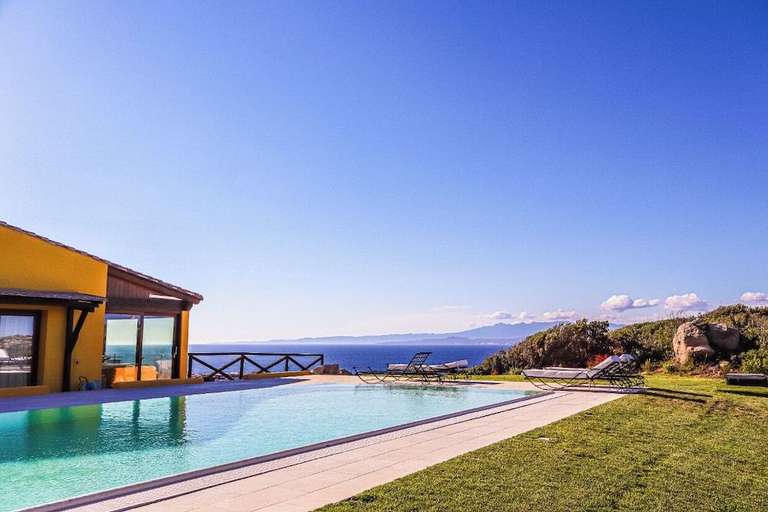
 Flight + Hotel
Borgo Arborea Charming Retreat
2 reviews
Flights included2.48 km from city centre1 of 5 slides
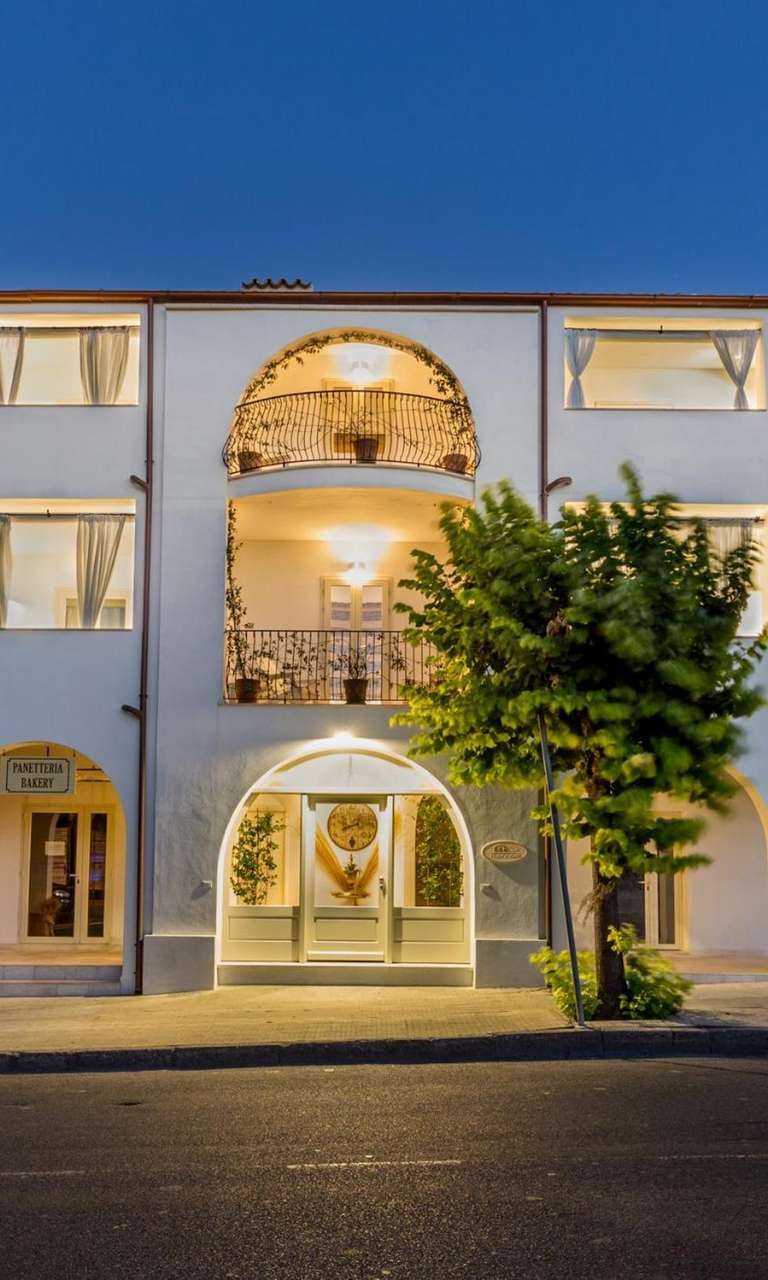
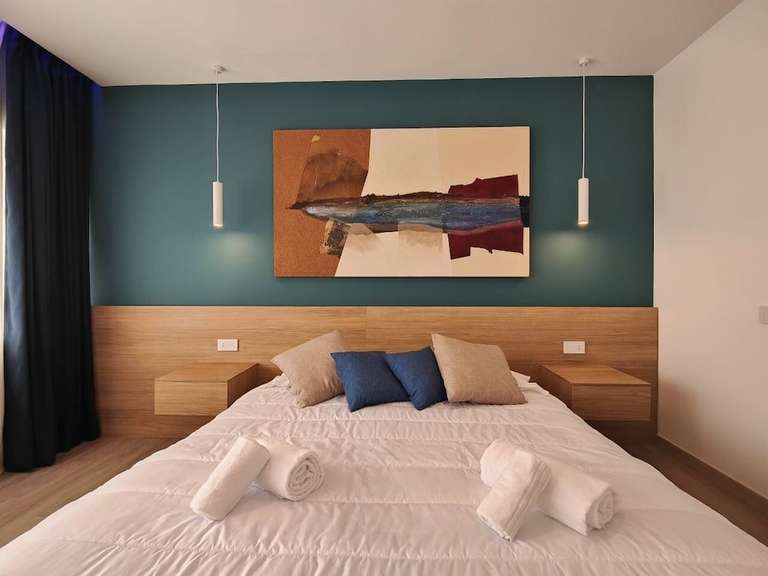
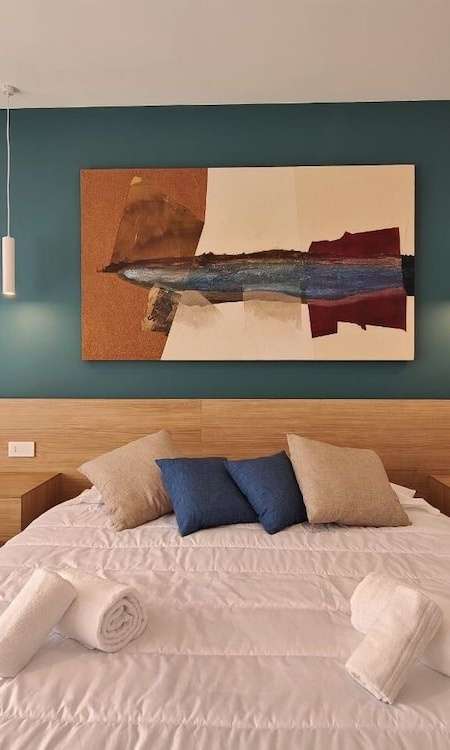
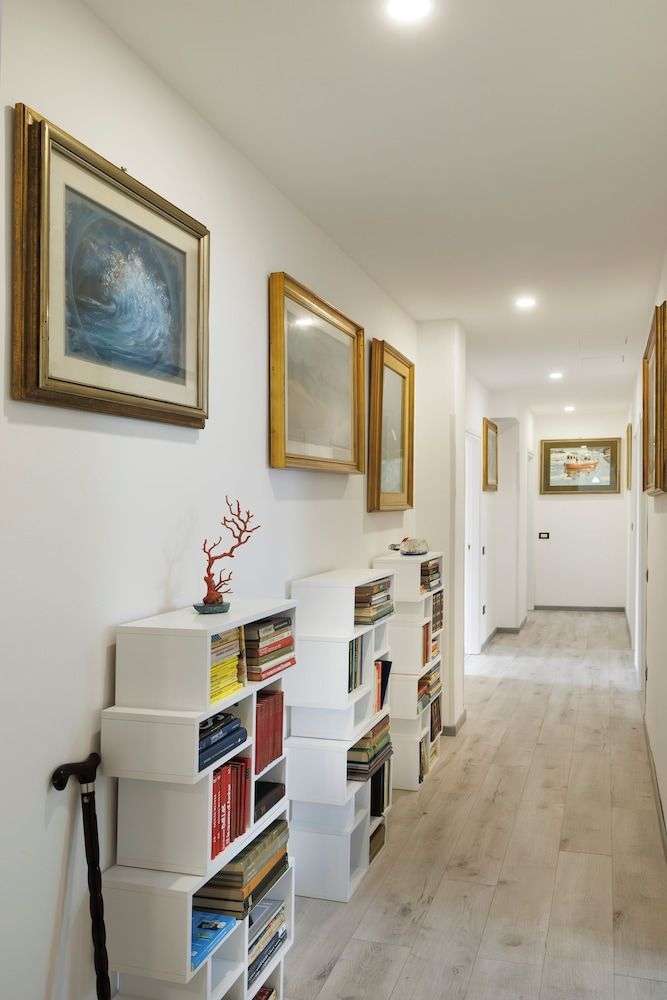
Cheap holidays to Sardinia
Book the best deals on holidays to Sardinia today!
- from Dublin, International (DUB)
- from Cork, International (ORK)
 Flight + Hotel
Hotel La Tartaruga Bianca
9 reviews
Flights included4.15 km from city centre1 of 5 slides
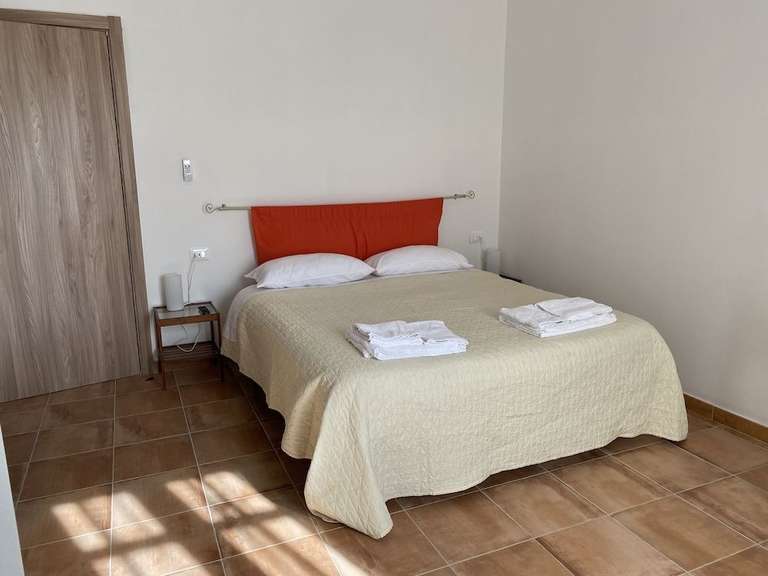
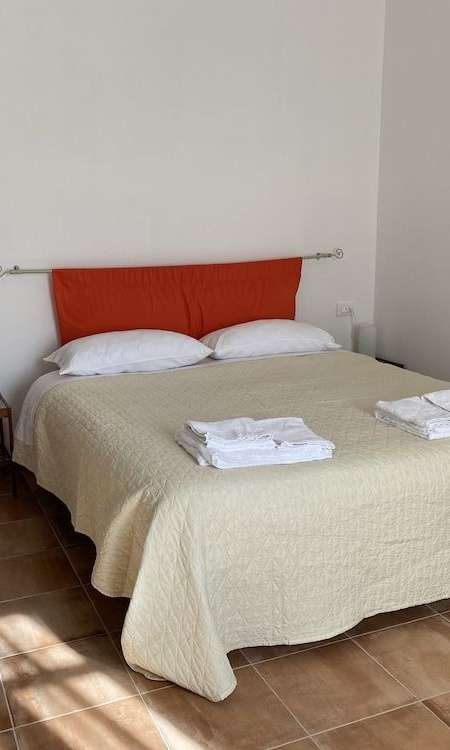
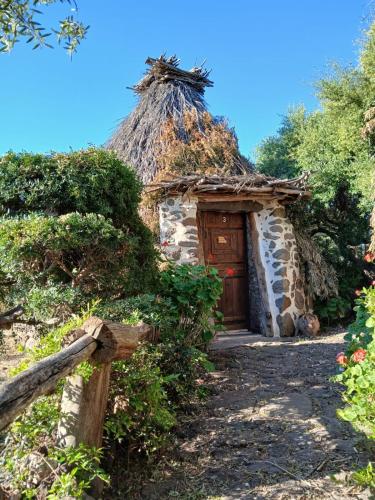
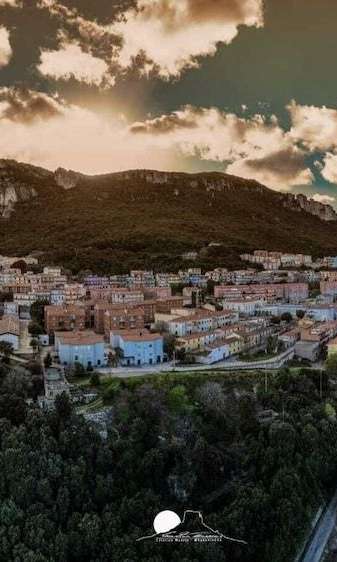 Flight + Hotel
Hotel dei Tacchi
15 reviews
4 nightsFlights includedDublinbreakfast included10.49 km from city centrefrom 685 € ppfrom685 €
pp1 of 5 slides


Travel tips for Sardinia
Read moreRead less
How to reach Sardinia
Flight time: If you're heading to Sardinia from Dublin, you're looking at about a 2 hour and 30-minute flight. Most flights will bring you into one of Sardinia's main airports: Cagliari Elmas, Olbia Costa Smeralda, or Alghero Fertilia.
Transfer time: From Cagliari Elmas Airport, it's just a quick 15-minute train ride into the city centre, with trains running regularly throughout the day. If you're arriving at Olbia Costa Smeralda Airport, you can get to the city centre in about 10 minutes by taxi or shuttle bus. Alghero Fertilia Airport is roughly 20 minutes away from Alghero town by bus.
Price: A train ticket from Cagliari Elmas to the city centre is around €1.30. If you're going from Olbia, a taxi to the city centre will set you back about €15 to €20, while a shuttle bus costs about €5. For Alghero Fertilia, a bus ticket to the town costs around €1.50 and taxi rides are about €25.
Best time to visit Sardinia
Sardinia is a lovely spot to visit all year round, but the best time really depends on what you're after in terms of weather, activities, and how busy it is.
April to June: Spring is when the island really comes to life. You'll find some fantastic festivals, and it's the perfect time for walking with the countryside looking vibrant, clean air, and plenty of wildlife. Temperatures range from about 15°C in April to 22°C in June, and you can expect 8 to 10 hours of sunshine each day.
July to August: While it's certainly possible to visit during the peak summer months, be prepared for some serious heat—often over 30°C—alongside larger crowds and a struggle for available accommodation. Rainfall is minimal at this time, typically less than 10mm, with about 11 to 12 hours of sunshine each day.
September to November: Autumn is another fantastic time to explore, especially with the beautiful colours in the forests and hills. Temperatures fall from around 26°C in September down to about 15°C in November. Rainfall does pick up a bit in November (around 60 to 80mm), but there are still 6 to 8 hours of sunshine to enjoy every day.
December to March: Visiting Sardinia in winter has its perks—the weather can be pleasantly warm and there aren’t many tourists about. Keep in mind that with shorter daylight hours, your movement may be a bit limited, and some shops or facilities could be closed. Average temperatures can range from 7°C to 14°C, and you might see about 40 to 60mm of rain monthly.
Practical information
Spoken languages: The official language is Italian, but Sardinian—a local language—is widely spoken too. In tourist areas, you'll find that English is commonly understood.
Local habits and customs: The locals in Sardinia are generally Catholic, family-oriented, and have a strong love for good food. They share that Italian passion for sunshine and a good lifestyle. When visiting churches, it’s a good idea to dress modestly, which usually means covering your shoulders and avoiding vests, shorts, or short skirts.
Health and safety: Sardinia is quite safe for travellers. Still, just like anywhere, it's good to keep an eye on your belongings and avoid isolated spots at night. It’s wise not to leave anything visible in your car when parked. The tap water is generally safe to drink.
Currency: The Euro is the currency here. You'll find ATMs easily around, and credit cards are accepted in most places. However, having a bit of cash on hand is handy, especially in smaller towns and villages.
Getting around: Sardinia boasts a robust train network connecting major towns, along with an extensive bus service covering towns, most villages, and a number of beaches too. City buses are convenient for short trips across town, with tickets usually valid for 90 minutes. A single bus ticket costs about €1.30 to €2 depending on how far you’re going, and you can pick them up at bus stations, newsstands, or via an app. Renting a car is also a great option for exploring the island, with prices starting around €30 a day.
Electricity and plug types: Sardinia uses the standard European 220 volts with two-pin round plugs, so if you're coming from Ireland, you should be fine without an adaptor.
Time zone: Sardinia is in the Central European Time zone (CET), which is one hour ahead of GMT and observes Daylight Saving Time.
Required travel documentation: If you're travelling from Ireland, you'll need a valid passport to enter Sardinia, but you won't need a visa for stays of up to 90 days within any 180-day period.
Read moreRead less
Best things to do in Sardinia
Undeniably and exuberantly Italian, yet expressing a unique regional identity, Sardinia holidays present a distinctive take on the Mediterranean island experience; from the rocky headlands and secluded beaches on the coast to the forested mountains and pungent expanses of wilderness in the interior.
Viewpoints and panoramas
Inland Gallura: Interspersed with thick groves of cork oaks, the granite rockscape of this sparsely populated mountainous zone offers unforgettable panoramas.
Posada: At the top of this old village, the Castello della Fava stands sentinel over the coast, an atmospheric watchtower with superb views to reward your climb up ladders and through trap doors to the parapet.
Gorropu Gorge: Often referred to as Europe's Grand Canyon, this gorge in the Supramonte mountains offers awesome views all around.
The best districts
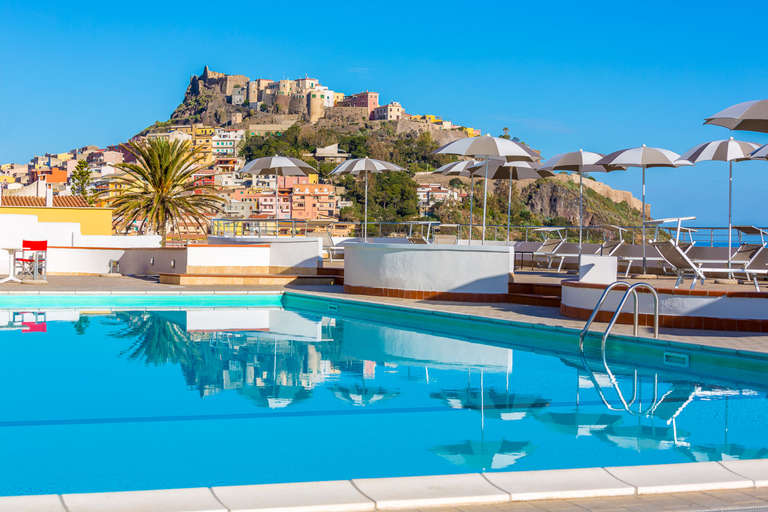
Castelsardo, Old Town: With historic churches buried among its steep lanes, and a castle/museum at its summit affording distant coastal views, this old Doria stronghold repays the uphill slog.
Sassari Old Town: The compact old quarter of Sardinia's second city makes for an atmospheric wander through its medieval lanes.
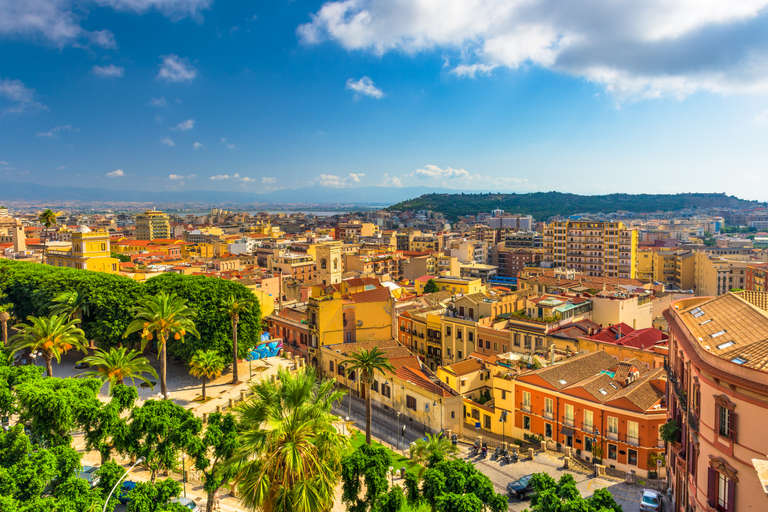
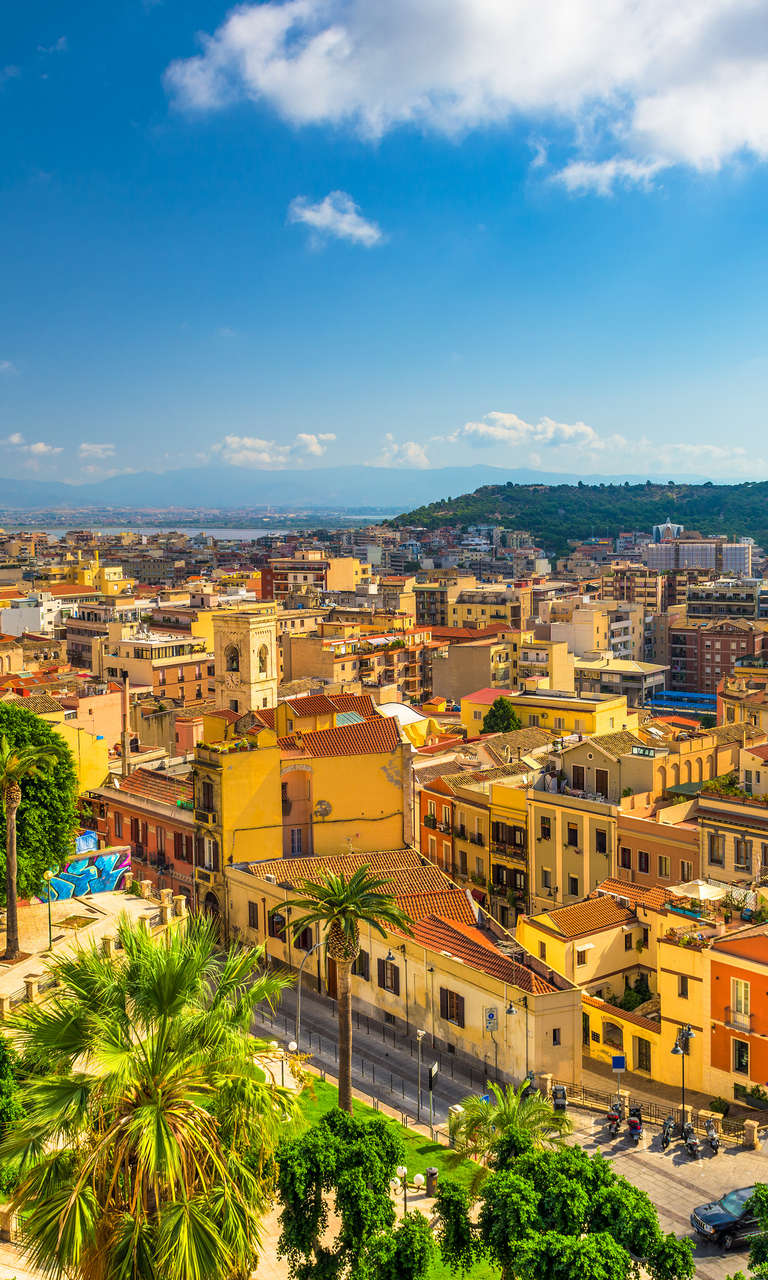
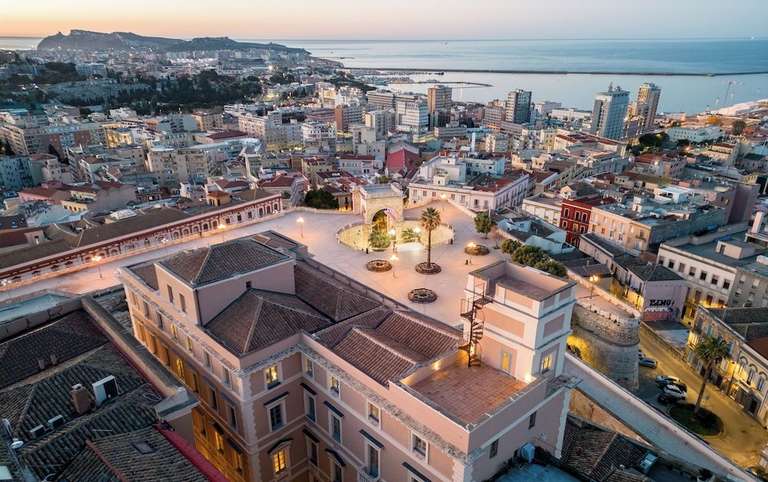
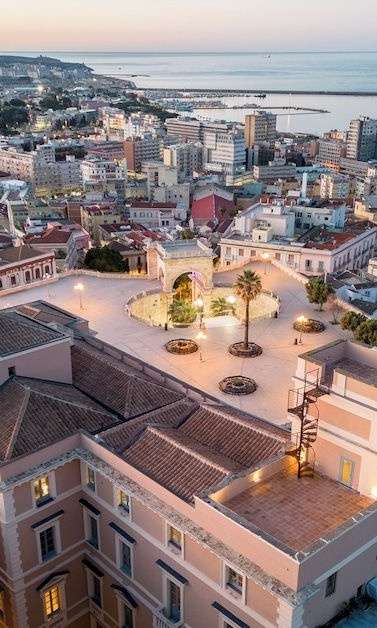
Castello District, Cagliari: This historic district – all narrow streets and elegant piazzas – is perched atop a hill, providing panoramic views of the city and the sea.
Museums
Ethnographic Museum, Nuoro: A visit to this extensive collection – crammed with masks, costumes, craftwork and musical instruments – offers intriguing insights into the local culture.
Museo Archeologico, Cagliari: Sardinia's premier archaeological collection includes grinning deities, nuraghic figurines and ancient Phoenician inscriptions.
Parks and gardens
Orto Botanico, Cagliari: One of Italy's most famous botanical gardens with around 2000 species of Mediterranean and tropical plants, including examples of local carob trees, lentisks and holm oaks, as well as exotic yuccas, palms, papyrus and cacti.
Historical monuments
Tharros: Founded by the Phoenicians on a promontory jutting into the sea, this historic site retains extensive evidence of the Punic and Roman settlers who followed.
Nuraghe Santu Antine: One of the island's most imposing nuraghi, on the plains southeast of Sassari amid a cluster of these prehistoric monuments.
Basilica di Saccargia: This striking Romanesque church in northern Sardinia is renowned for its black and white striped fasade and beautiful interior frescoes.
Things to do in different parts of the region
Sant'Antioco: Tethered to the mainland, this beautiful island has an agreeable, off-the-beaten-track appeal, with a cluster of historical remains, as well as an undeveloped rocky coast sheltering some first-class beaches.
La Giara di Gesturi: This distinctive high basalt plateau rising above La Marmilla is teeming with wildlife, from rare orchids to miniature wild horses – perfect for a breather.
Activities for families in Sardinia
The island's beaches provide all the entertainment most kids would want, while prehistoric nuraghi, numerous castles and archaeological sites provide plenty of outdoor fun inland.
Beaches: Sardinia's beaches are perfect for families, with shallow waters and soft sands. Cala Brandinchi and La Pelosa are particularly family-friendly.
Cave visits: Stalactites, stalagmites and eccentric rock formations are the highlights of a tour through the Grotta di Nettuno, a cave complex set in towering cliffs by the sea - great fun for kids.
Castles: What kid (or adult) doesn't love a scramble around a castle? Whether they are prestige projects for bored aristocrats, eccentric family mansions or grim reminders of past oppression, Sardinia's castles come in all shapes and sizes.
Aquariums: The Aquarium of Cala Gonone is an excellent spot for kids to learn about marine life and get up close to a variety of sea creatures.
Theme parks and adventure: Parco Sardegna in Miniatura offers miniature replicas of Sardinian landmarks, as well as a dinosaur park and planetarium.
Free things to do in Sardinia
You could spend weeks on the island and not worry about having to dip into your wallet too often, with beaches galore and some of the country's most accessible sites to explore.
Beaches: Sardinia has some of the Mediterranean's most gorgeous beaches. On the whole, they're clean and pollution-free, and many have facilities operating from June to September – but if you don't want to spend any money, seek out more remote sections without any of the paraphernalia, and bring your own shade.
Festivals: Sardinia hosts numerous free events throughout the year, such as the Cavalcata Sarda in Sassari, which features parades, music and traditional costumes. Easter is a great time too, with costumes, processions and intense drama the main ingredients of Sardinia's various feste.
Explore Sardinia by public transport: Sardinia's public transport system is an affordable way to see the island. The ARST bus network covers most of the island and a single ticket costs around €1.30–€3, depending on the distance.
Nature and outdoor activities
Although most famous for its beaches, which are undoubtedly stunning, Sardinia is essentially a place of mountains and forests, the perfect terrain for cycling, hiking and getting up close to its natural marvels.
Hiking: The island's varied terrain provides excellent hiking opportunities. Sardinia's central Gennargentu mountains hold the island's highest peaks and remotest tracts, the area rich with hiking possibilities and peppered with traditional communities – generally regarded as representing the "real Sardinia".
Water sports: Waterskiing has largely been supplanted by windsurfing, for which the favourite spot is Porto Pollo, near Palau – the place for kitesurfing, too. Surfers tend to congregate on and around the Sinis peninsula, near Oristano, especially at Capo Mannu.
Climbing: Sardinia offers some of the best year-round climbing terrain in Europe. With peaks inland and sea-cliffs on every coast, it attracts sports climbers and boulderers to the areas around Isili and Domusnovas in the south, and Dorgali, Baunei, Jerzu and Cala Gonone on the eastern coast.
Read moreRead less
The best beaches for your Sardinia holidays
Sardinia isn't just about dreamy landscapes and mouthwatering food—it's home to some of the most stunning beaches in the Mediterranean. Whether you're after soft white sand, crystal-clear waters, or hidden coves away from the crowds, there's a beach for everyone on this island.
La Pelosa – postcard perfection
One of Sardinia's most famous beaches, La Pelosa, looks like something straight out of a travel magazine. With its shallow, turquoise waters and powdery white sand, it's a favourite for sunbathers and families. Get here early, though—it's no secret how beautiful this place is!
Cala Goloritzé – a slice of paradise
If you're up for an adventure, Cala Goloritzé is worth the effort. You can only reach it by boat or a scenic hike through the cliffs, but once you arrive, the reward is a secluded bay with shimmering blue waters and dramatic rock formations.
Costa Rei – perfect for a beach day
On Sardinia's southeast coast, Costa Rei offers long, sandy stretches with calm waters—ideal for swimming, snorkelling, or just kicking back with a good book. There are plenty of beach bars around too, so you won't have to go far for a refreshing drink.
Spiaggia di Tuerredda – Caribbean vibes
Located in the south of the island, Spiaggia di Tuerredda is often compared to the Caribbean, thanks to its translucent waters and golden sand. It's a great spot for kayaking or paddleboarding, and the views of the small island offshore make it even more special.
Cala Brandinchi – "Little Tahiti"
Nicknamed "Little Tahiti" for a reason, Cala Brandinchi is a dreamy escape with soft sand and crystal-clear waters. It's one of the more popular beaches, so expect a lively atmosphere, but the natural beauty here is undeniable.
With Sardinia's incredible coastline, you'll be spoilt for choice when it comes to beach days. Whether you're looking for adventure, total relaxation, or a mix of both, this island has the perfect stretch of sand waiting for you.
Read moreRead less
Local dishes in Sardinia
Historically, the twin pivots of traditional Sardinian cuisine have been land- and sea-based local produce; mutton, beef, game and boar are the staples of the cooking in the interior, while the coast relies on fish – tuna, sea bass and sardines all figuring heavily.
Some typical dishes
Pane Carasau: Also known as "music paper bread," this crisp wafer bread is often served with olive oil and salt to add flavour.
Malloreddus: Gnocchetti, or pasta shaped in little shells, with various toppings, for example alla campidanese, a spicy sausage sauce.
Fregula: Couscous-type semolina pasta, either in a meat stock or dry with mussels or clams.
Meat dishes
Porceddu: A young pig roasted whole on a spit with myrtle leaves and other herbs.
Agnello con carciofi: A popular springtime dish, this is a delicious combination of tender roast lamb with artichokes.
Fish and seafood dishes
Bottarga: Known as Sardinian caviar, this delicacy is made from dried mullet roe and is usually grated over pasta or served in thin slices with olive oil.
Spaghetti alle vongole: A classic dish of spaghetti with clams, garlic and parsley, showcasing the island's abundant seafood.
Sweets and desserts
Seadas: Fried ricotta-filled pastry bubbles soaked in honey.
Aranciatte: A very sweet confection, available from Nuoro, made with almonds, oranges and honey.
Local drinks
Cannonau: A robust red wine made from Grenache grapes, considered one of the island's best wines.
Mirto: A traditional liqueur made from myrtle berries, enjoyed as a digestif after meals.
Filu 'e ferru: A potent grappa-like spirit, also known as "iron wire," often served as a strong finish to a meal.
Your Sardinia questions answered
What are the best areas to stay in Sardinia?
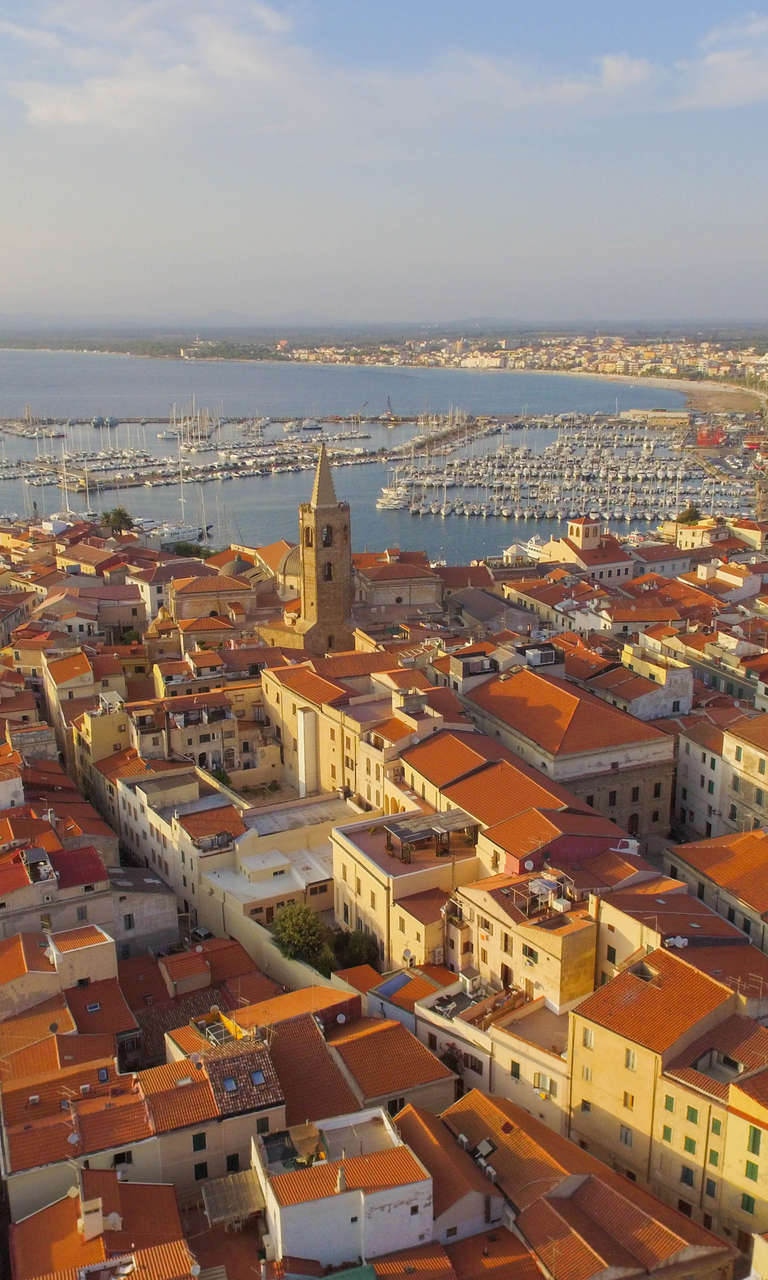
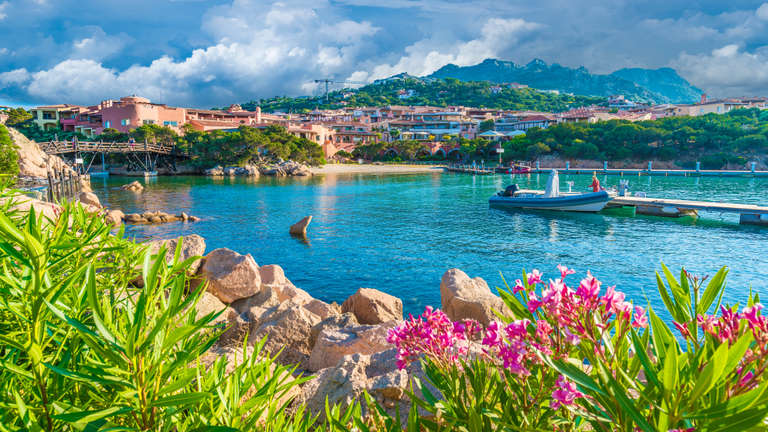
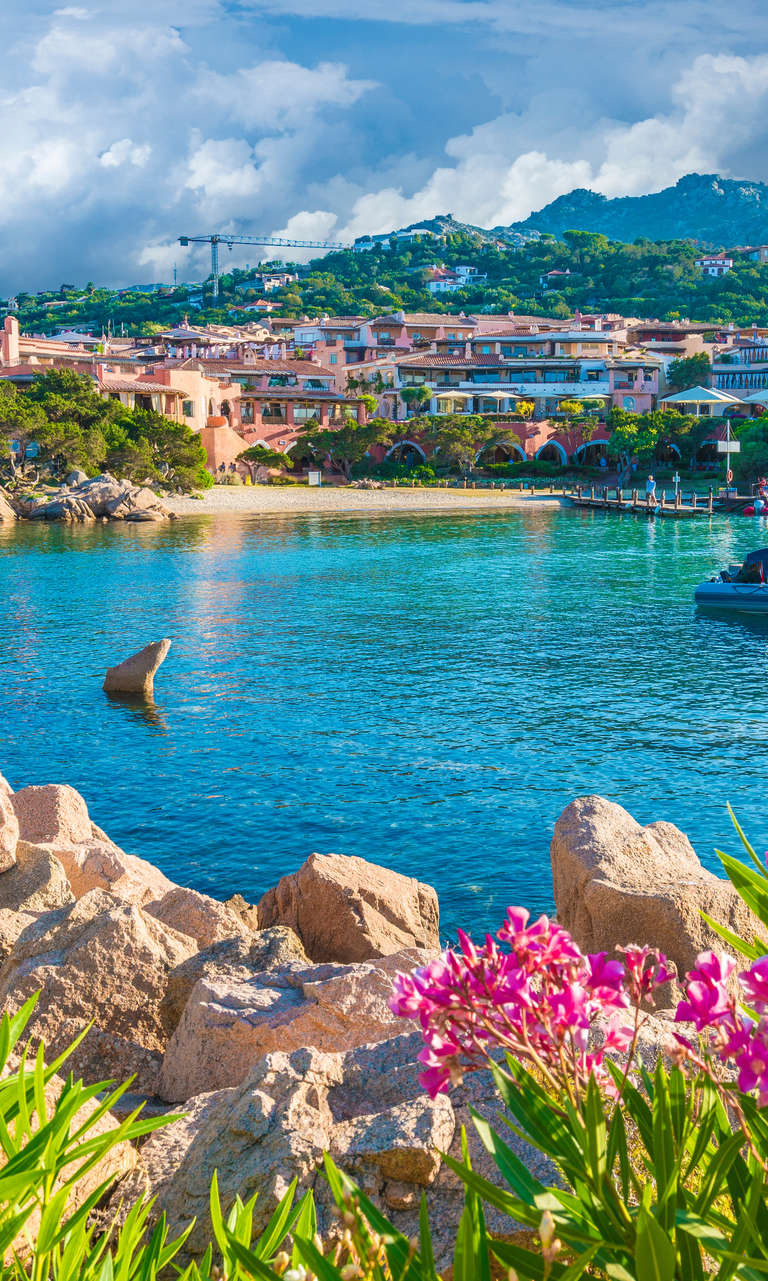
Sardinia offers a range of stunning holiday spots for every type of traveller. Discover some of the best areas to stay in, like Alghero, Olbia, Cagliari, Arzachena, Villasimius, Castelsardo, San Teodoro, Capo Testa - Santa Teresa di Gallura, Porto Cervo, Badesi.
What are the most popular places to visit while in Sardinia?
The most popular places to visit in Sardinia are: The Royal Palace, Piazza Yenne, Church of St. Francis.
Why should I book a Flight + Hotel package to Sardinia on lastminute.com?
Booking a Flight + Hotel package to Sardinia with lastminute.com offers several advantages. By booking both services together, you can take advantage of exclusive deals and choose from thousands of flights and accommodations for the perfect combination. Additionally, you can secure your vacation with a deposit and pay the remaining amount later. You also have the flexibility to add other travel extras such as insurance, rental cars, and luggage to the Flight + Hotel package as per your preferences.