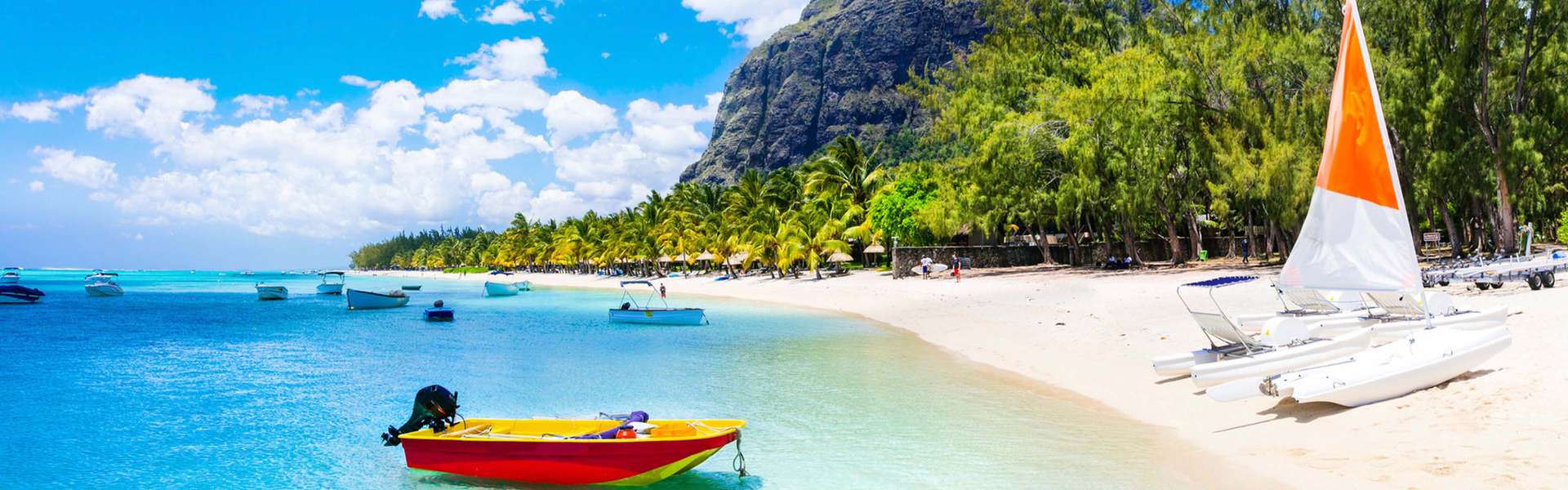
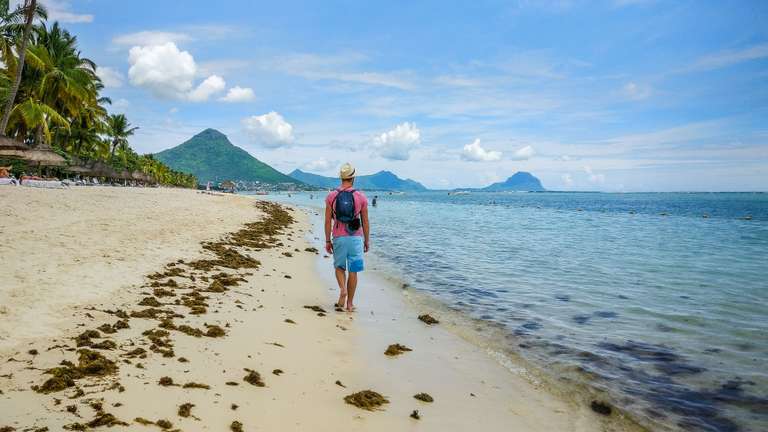
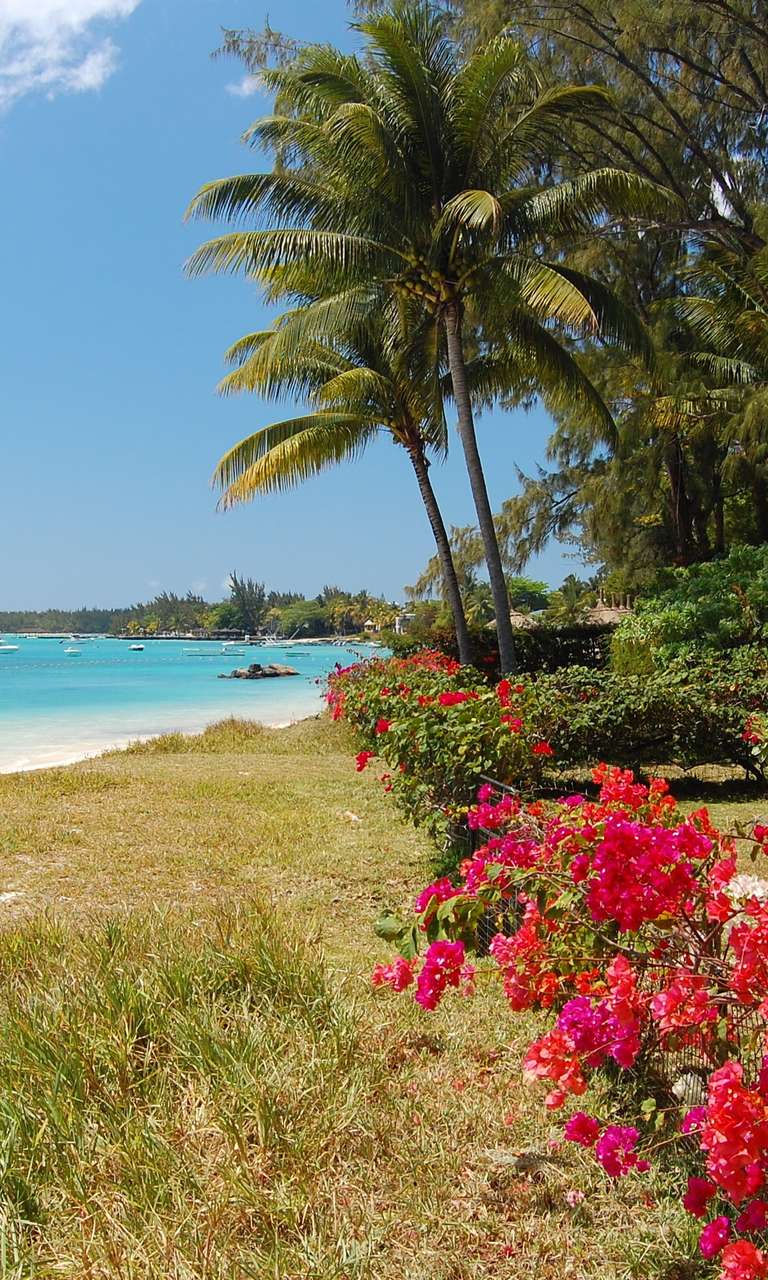
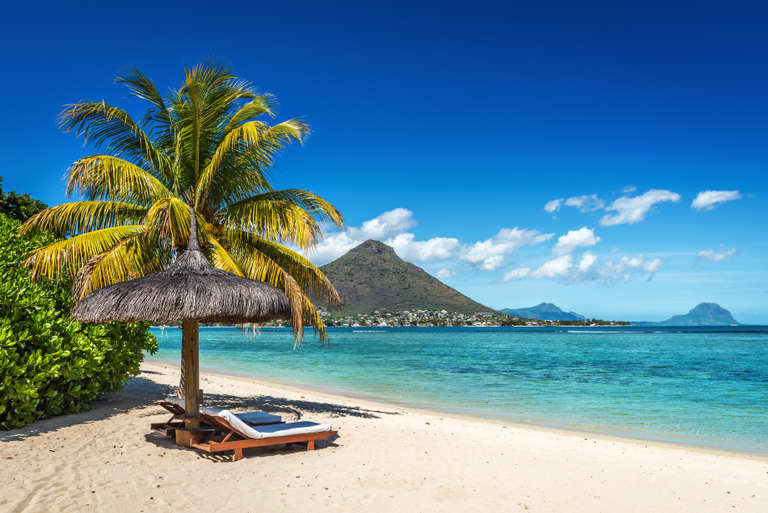
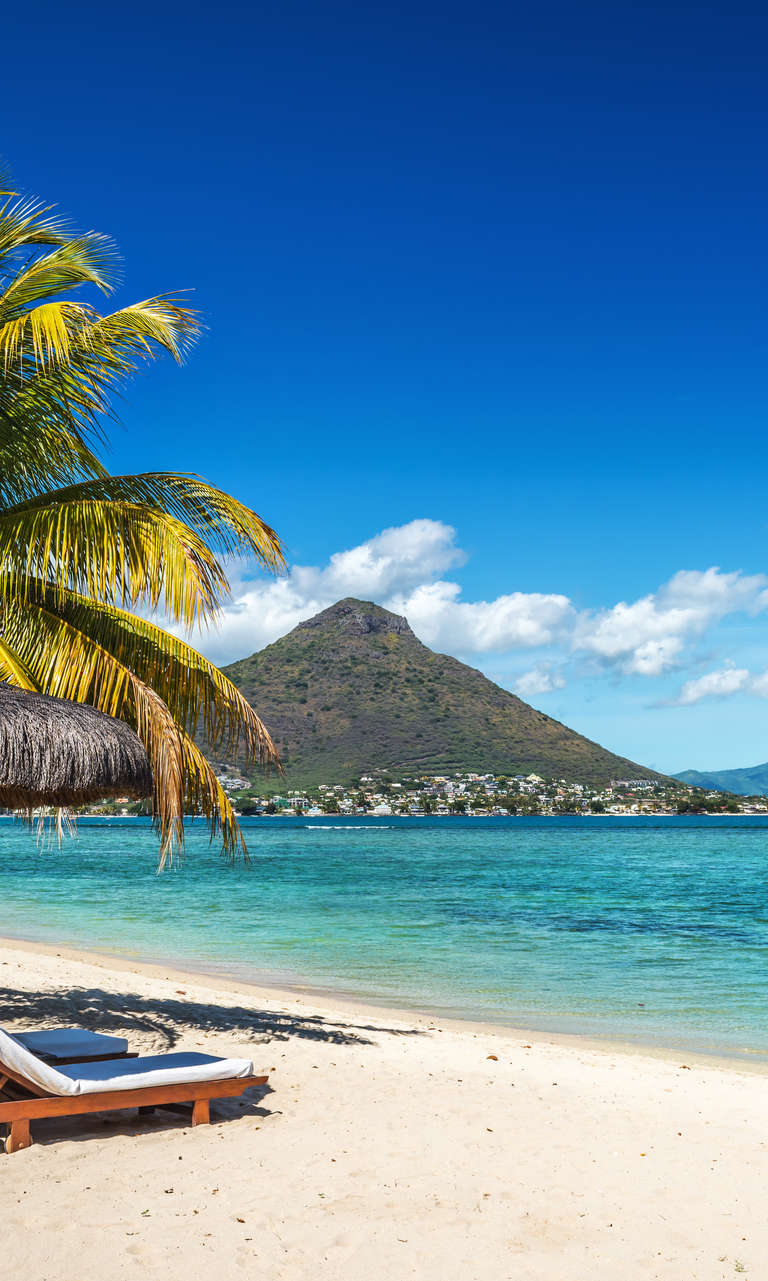
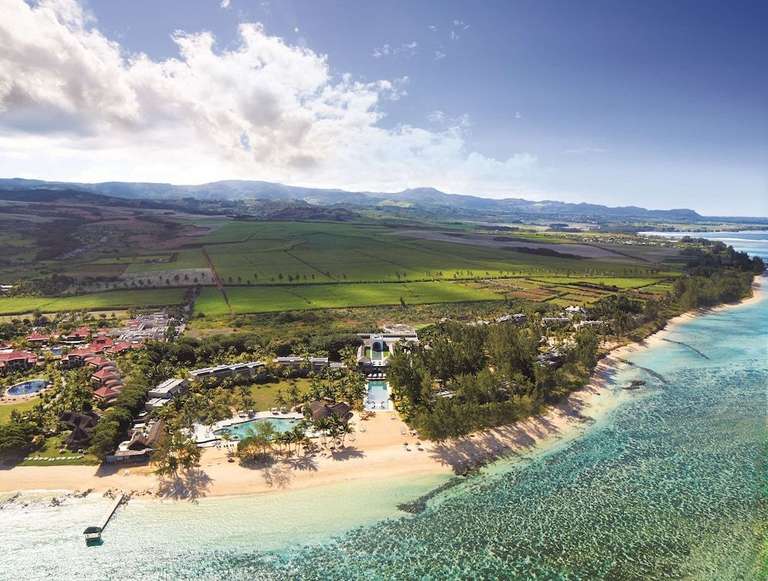
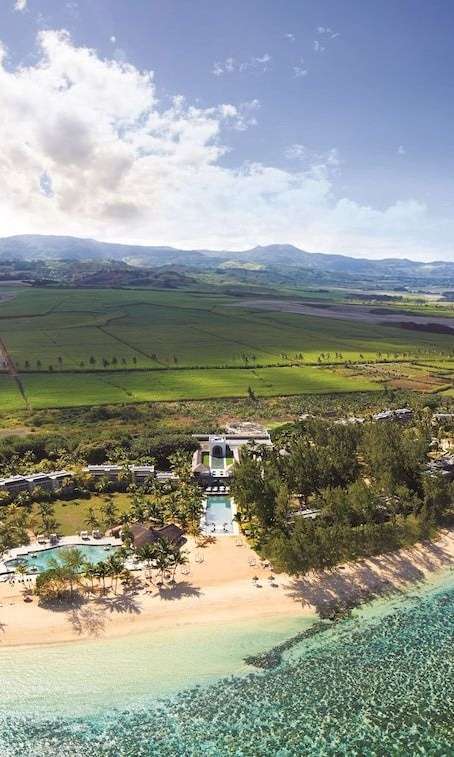
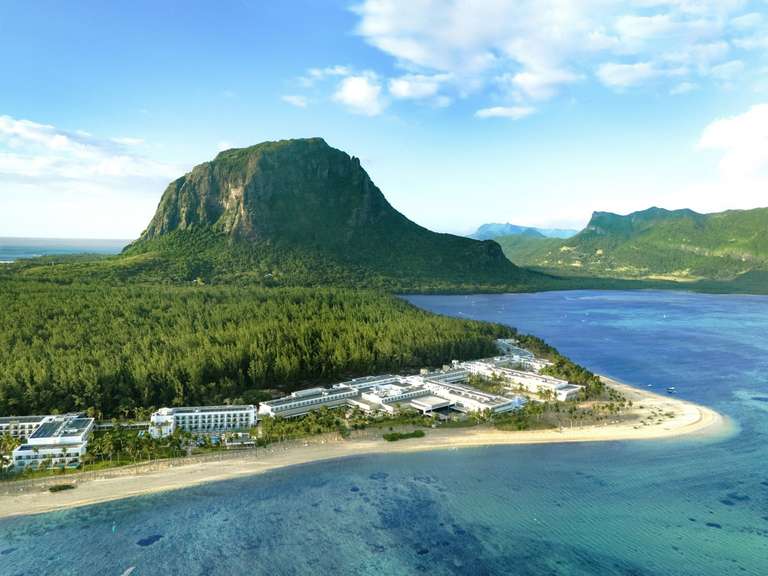
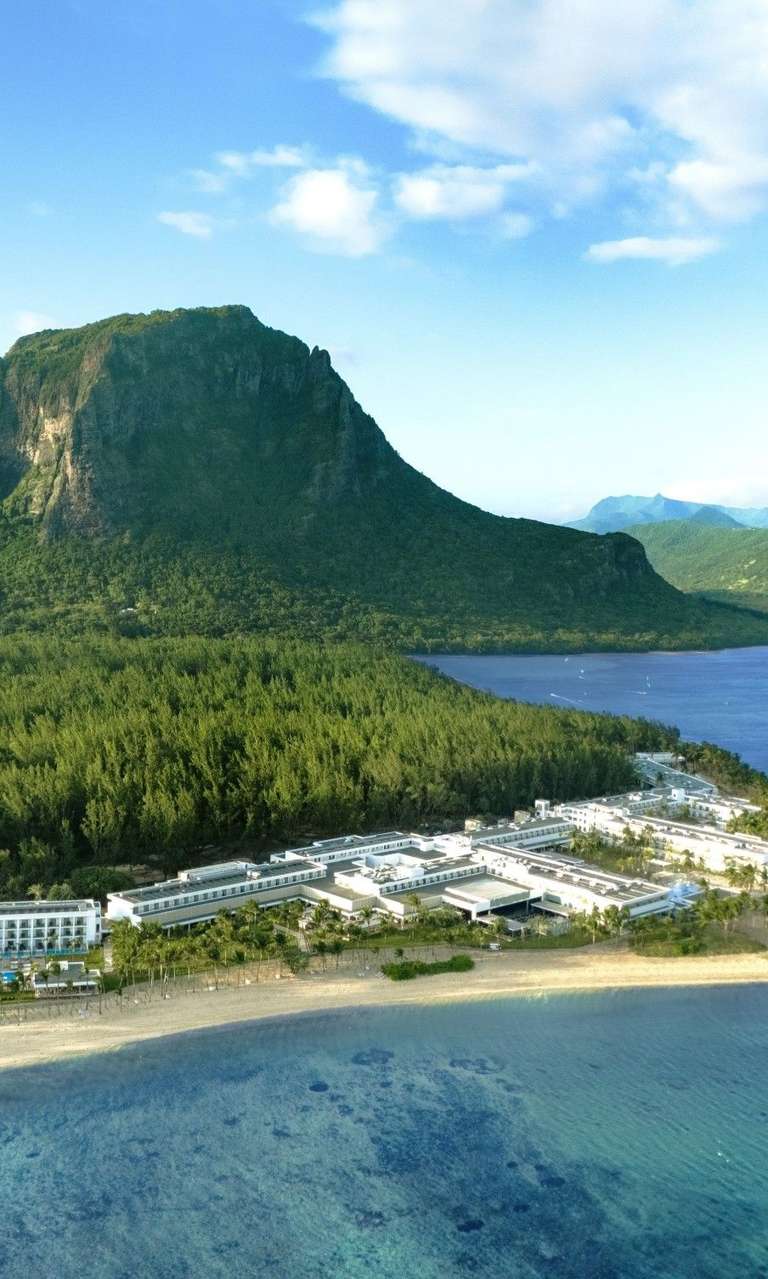
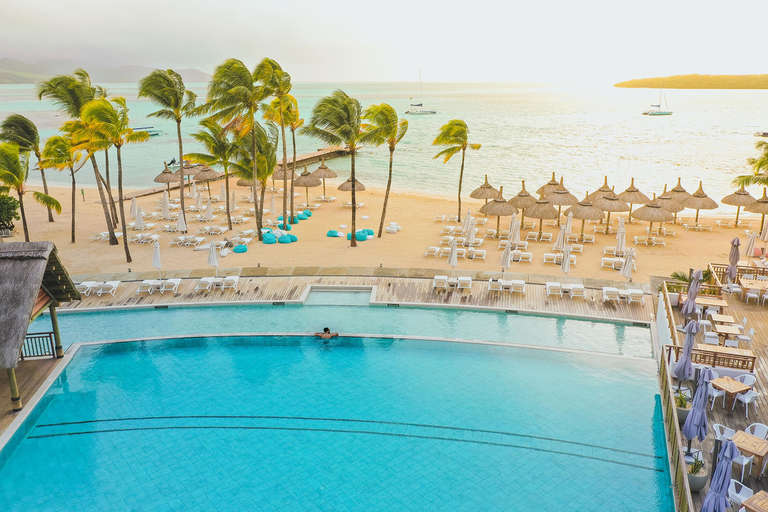
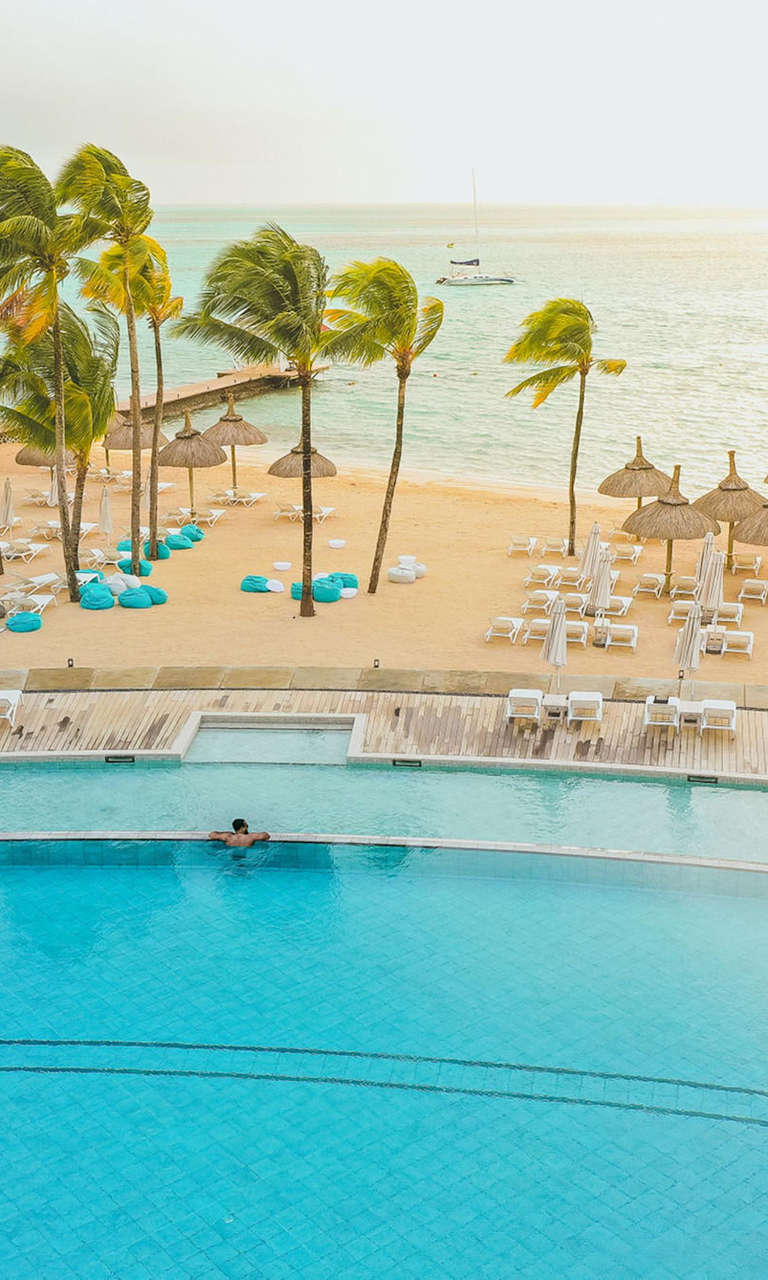
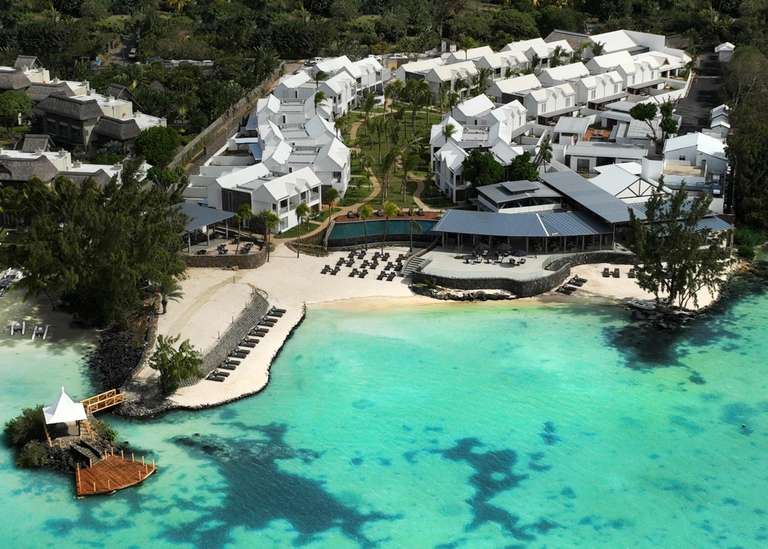
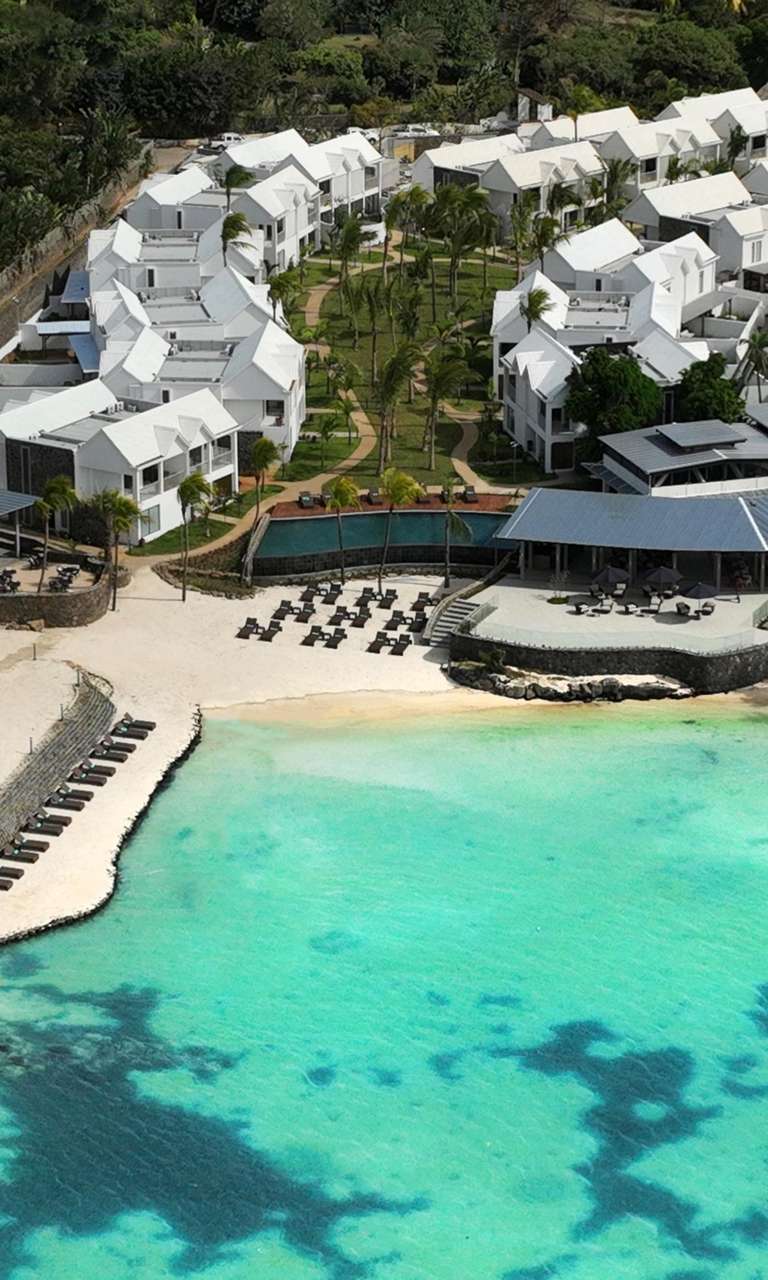
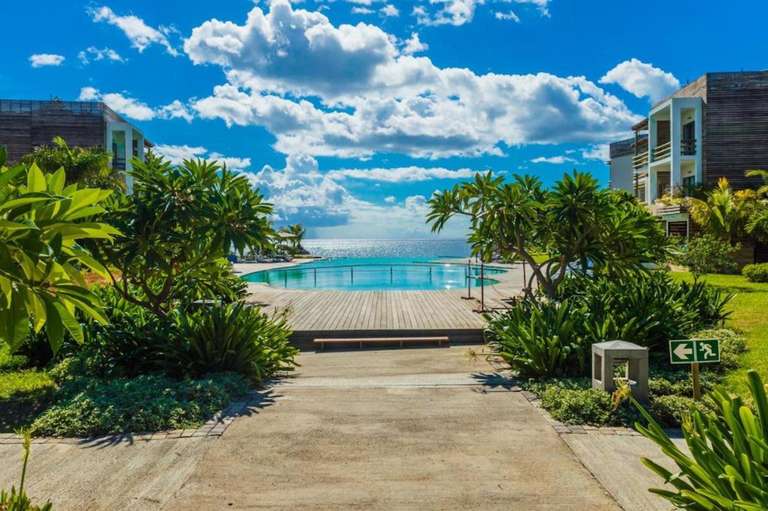
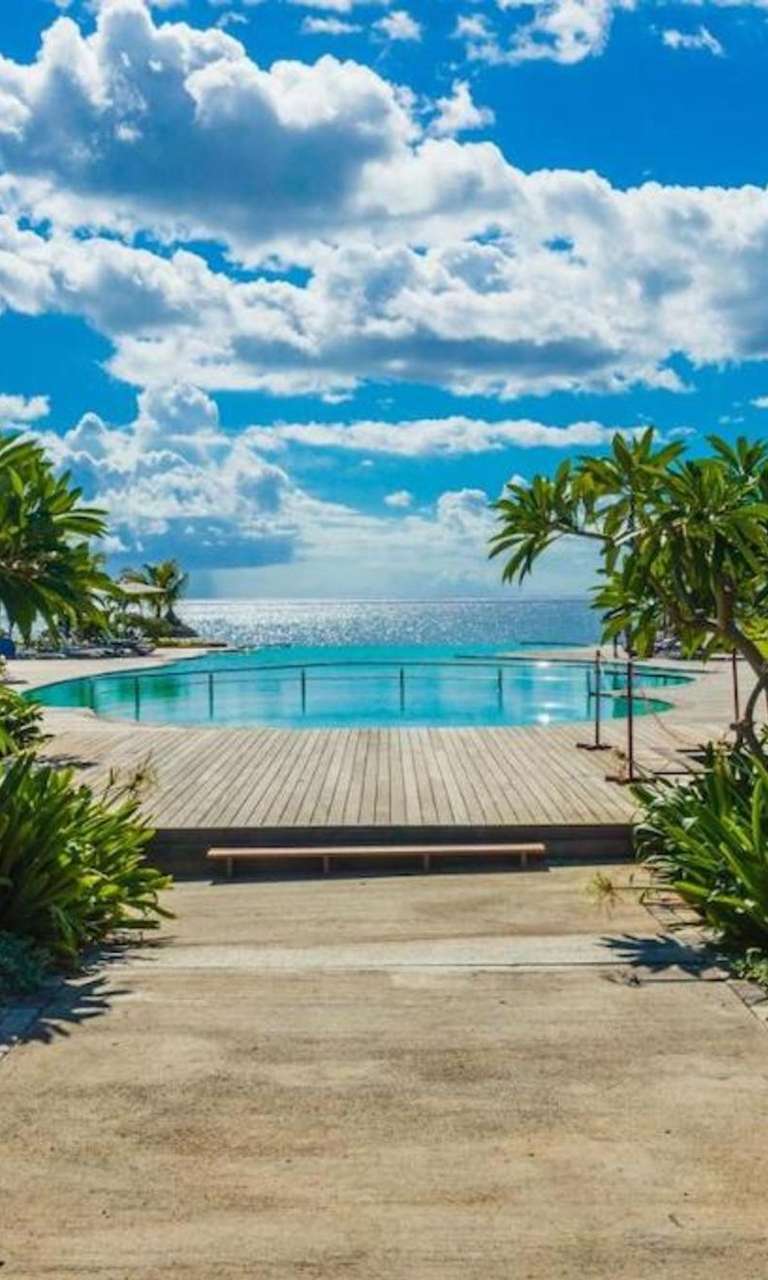
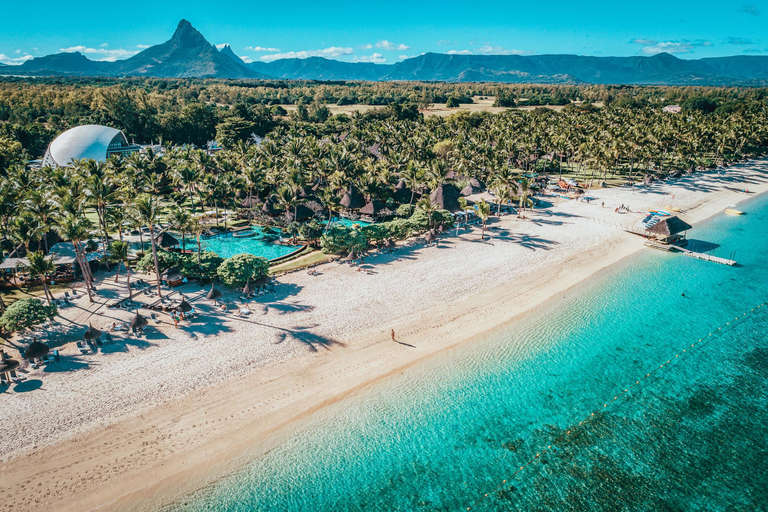
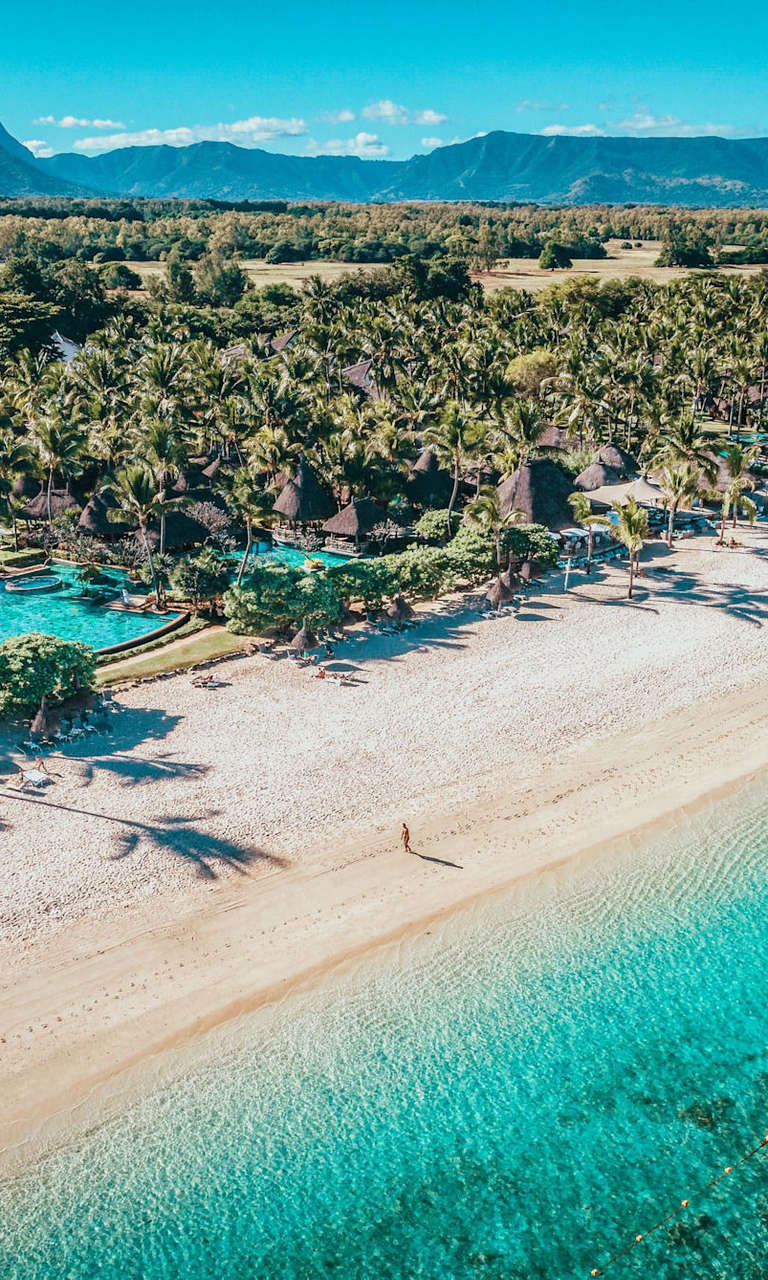
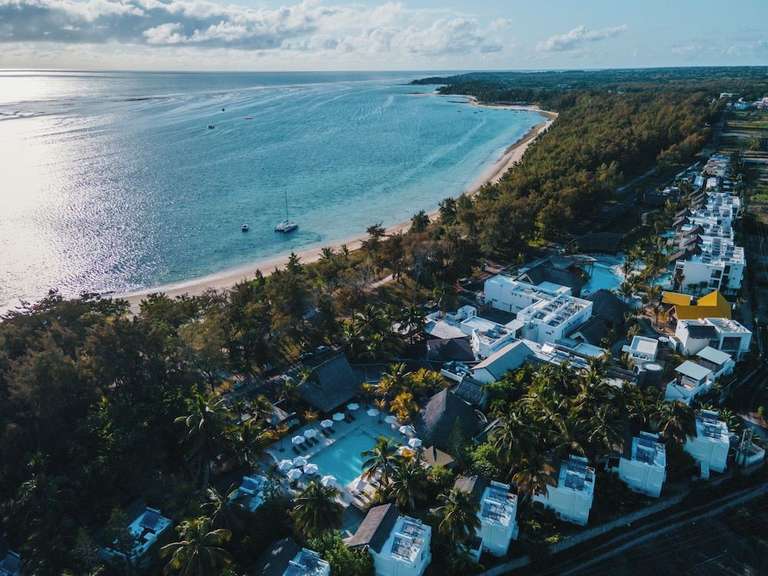
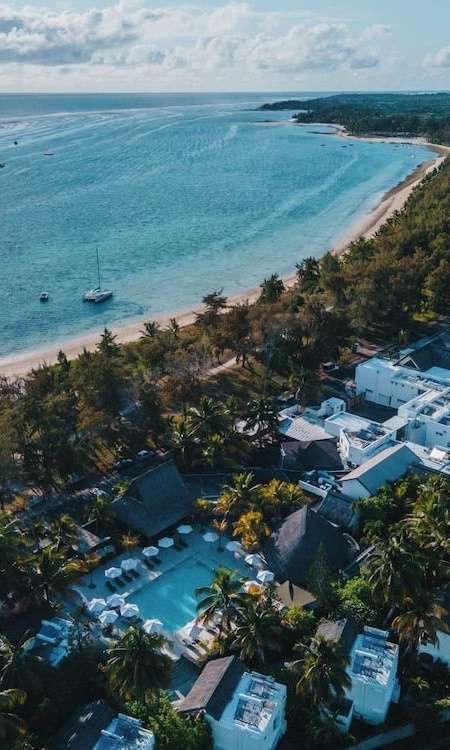
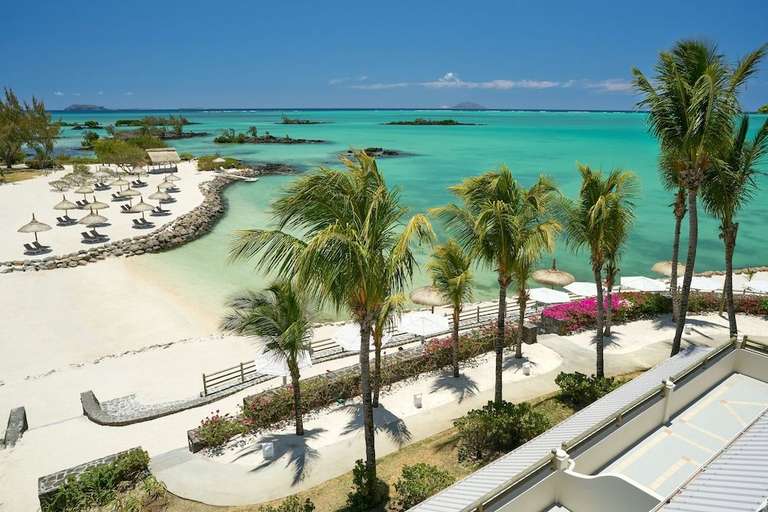
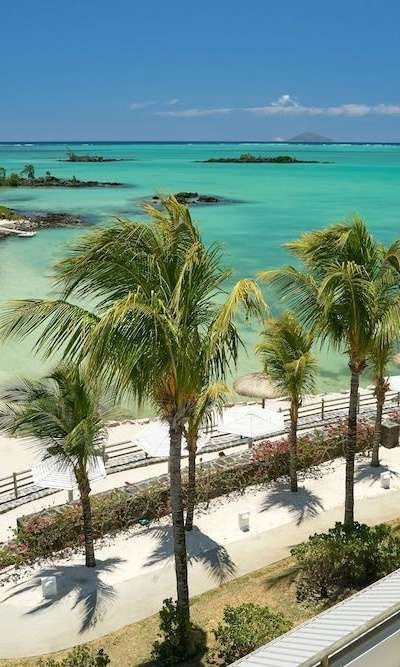
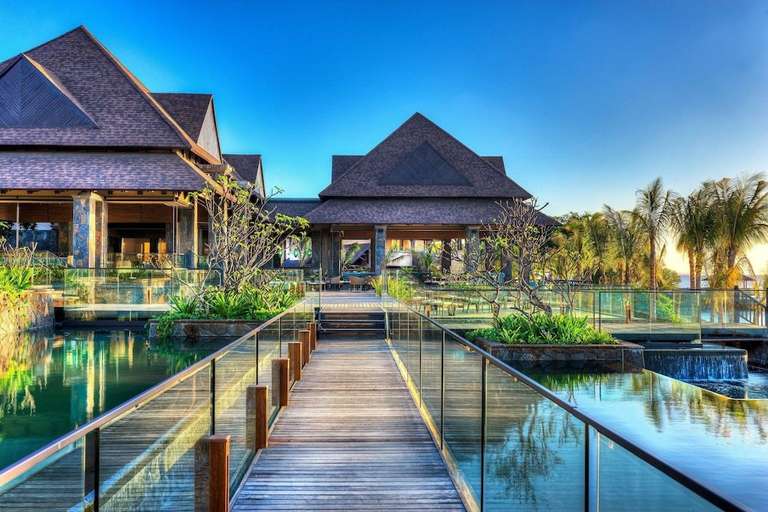
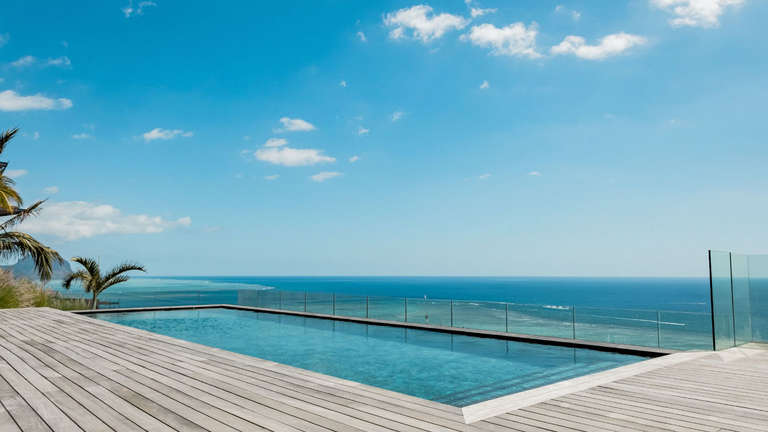
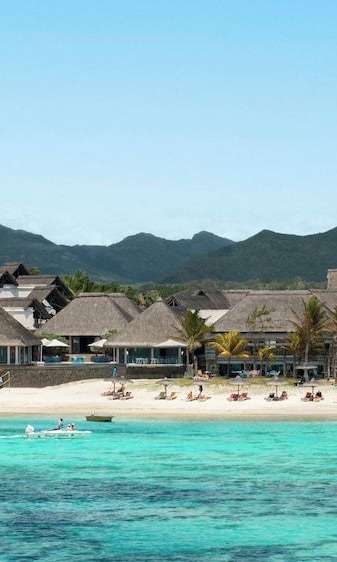
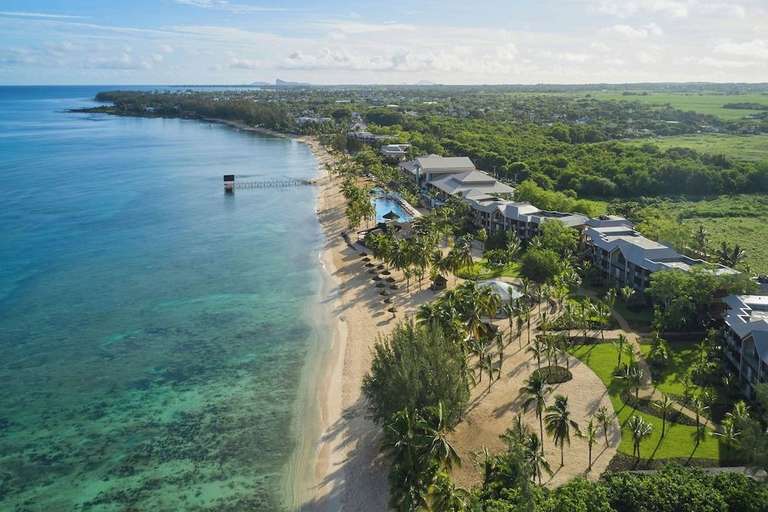
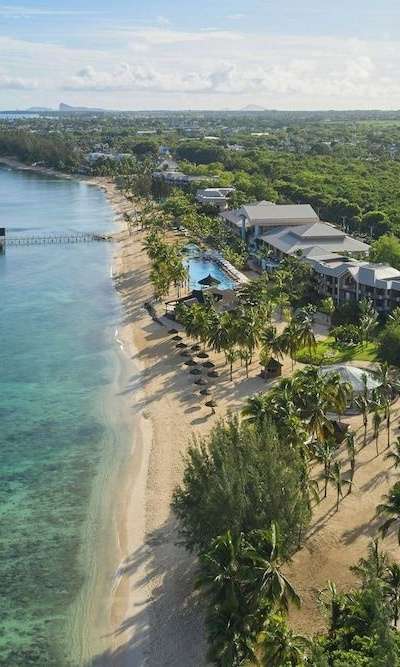
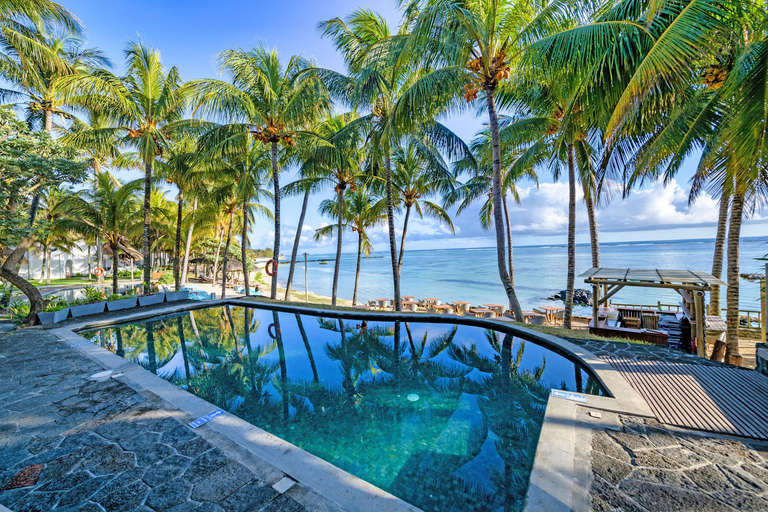
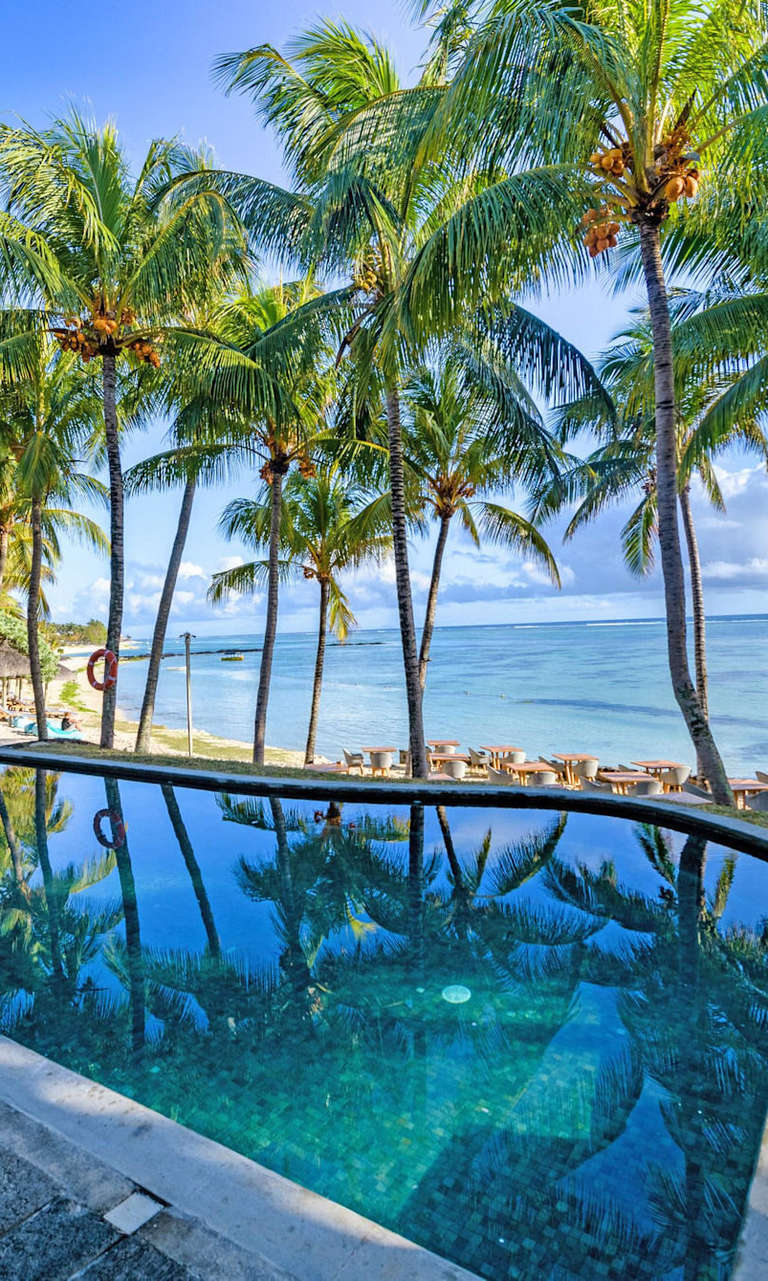
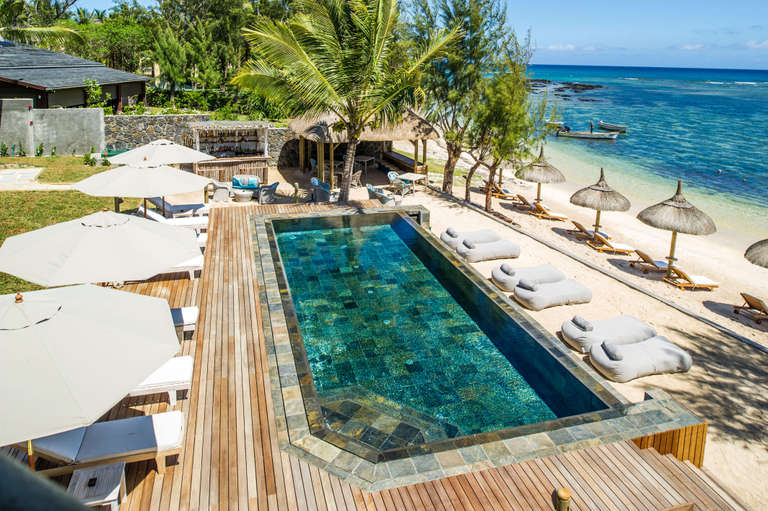
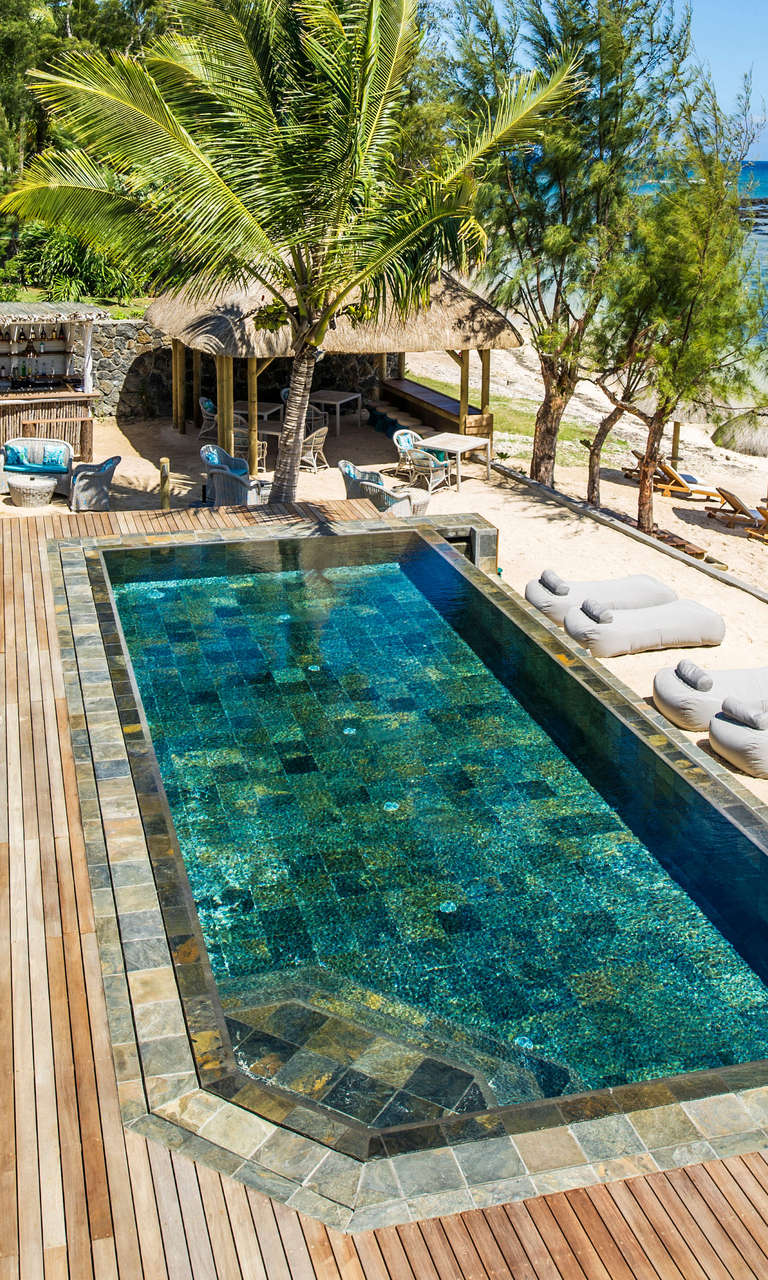
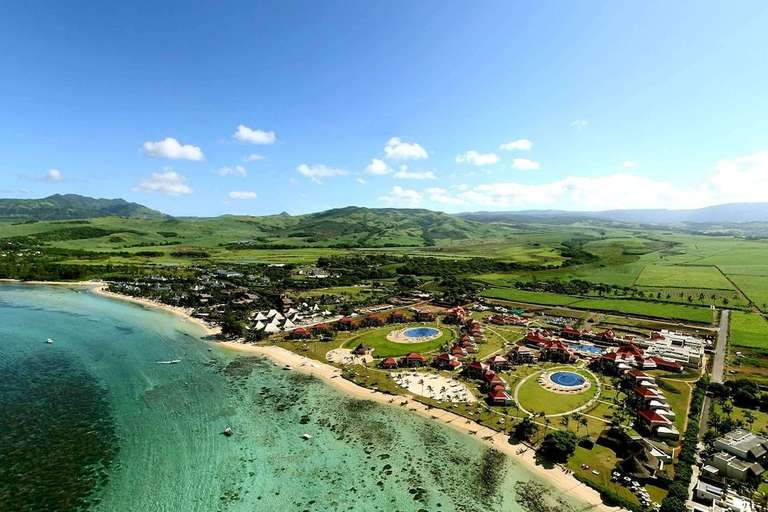
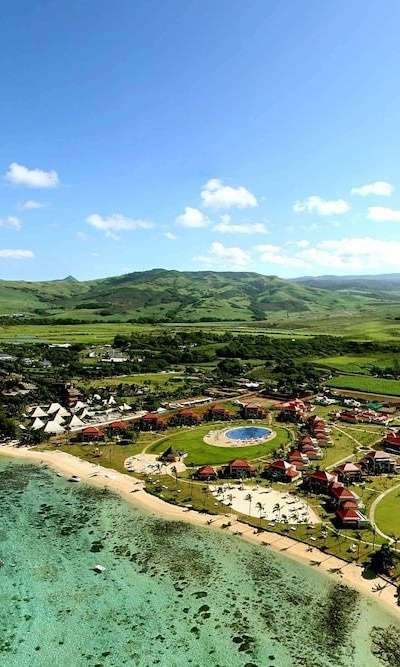
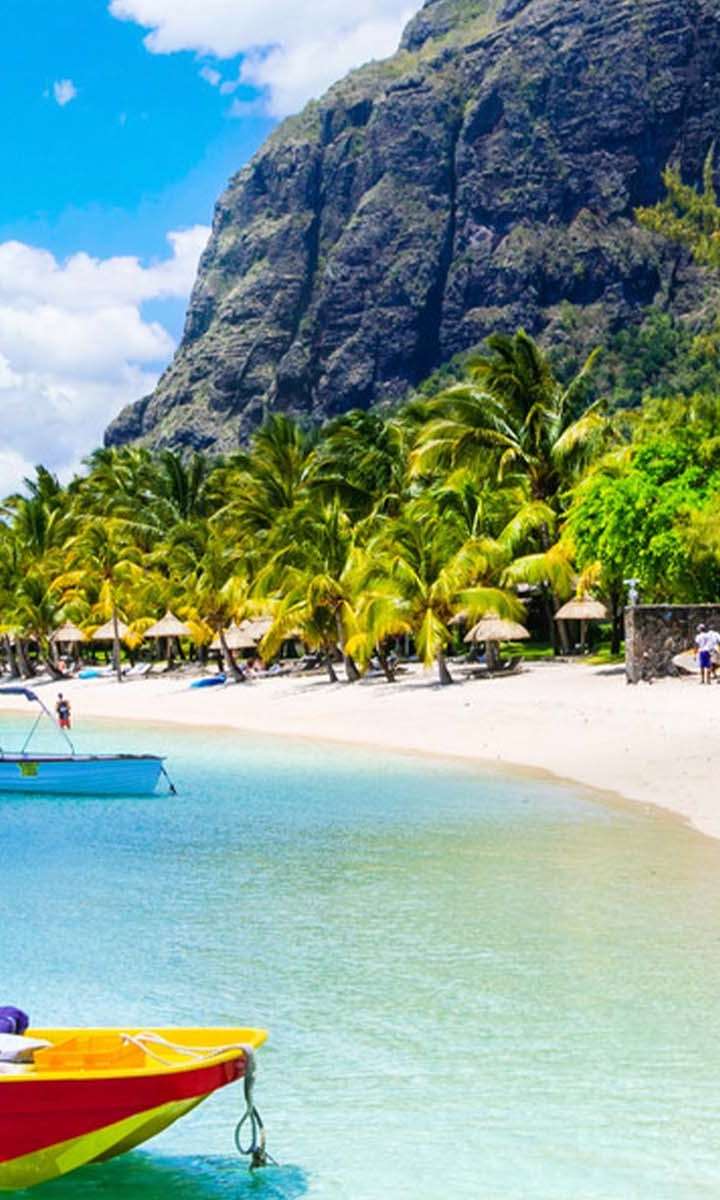
For those seeking a slice of paradise, Mauritius holidays promise an unforgettable escape filled with stunning beaches, vibrant cultures, and lush landscapes. Nestled in the Indian Ocean, this idyllic island offers a perfect blend of relaxation and adventure, from exploring its breathtaking coral reefs to immersing yourself in its rich heritage. With a warm tropical climate and friendly locals, Mauritius is the ideal destination for families, couples, and solo travellers alike. Whether you fancy indulging in delectable cuisine or basking under the sun on golden sands, your dream holiday awaits. Be sure to check our exclusive deals and offers to Mauritius for the best getaway experience!
Enjoy access to special prices, only available on package deals.
Choose from thousands of flights, hotels and stays.
Book with a small deposit and pay the rest later.
Quickly add insurance, luggage, rental cars and more.
Book the best deals on holidays to Mauritius today!
Flight time: Direct flights to Mauritius from London take around 12 hours. From other UK airports, connecting flights extend the journey slightly.
Transfer time: Once you arrive at Sir Seewoosagur Ramgoolam International Airport (aka SSR), a taxi or private transfer to major tourist areas like Port Louis or Grand Baie takes 45 minutes to an hour. The regular bus to Port Louis takes about 70 minutes. If you're heading to the popular resorts of the north, the journey by taxi is about 70–90 minutes.
Price: A taxi from the airport to the capital, Port Louis, costs from R1,700 (€28), while a ride to Grand Baie may be a bit higher at around R2,700 (€45). Private airport transfers can be pre-booked for similar rates. Buses to Port Louis cost around R30 (€0.50).
Mauritius has a warm tropical climate year-round but different weather each season. Here's a guide on what to expect throughout the year on holidays to Mauritius:
Summer: November to April has temperatures from 25 to 34°C, perfect for beach holidays. Humidity is high at this time of year and rainfall is common, but showers tend to be brief. As with the rest of the year, the southeast trade winds can keep things breezy, especially along the coasts. December to April is cyclone season, which can bring heavy rains, winds and severe storms, although these are rare. Keep an eye on the weather forecast if you visit during this period, as they usually give good warnings in advance.
Winter: The island's cooler winter season is from May to October, with daytime temperatures ranging from 20 to 25°C, drier conditions and lower humidity. This period is ideal for outdoor activities like hiking and exploring nature reserves. The shoulder season months of May and October offer a sweet spot between the high and low seasons with fewer tourists – ideal for a quieter, relaxing experience.
Spoken languages: The official language is English, though French and Creole are more commonly spoken in everyday life. English is widely understood in tourist areas, but learning a few basic Creole phrases like “bonzur” (good morning) will earn you smiles. Indian and Chinese languages can also be heard.
Local habits and customs: Mauritians are laid-back, but they appreciate politeness and respect for their diverse culture. Dress modestly when visiting temples or local villages, and always remove your shoes before entering a home or religious site.
Health and safety: Mauritius is generally a safe destination, but it's always wise to take basic precautions, such as keeping an eye on your belongings in crowded areas. Drink bottled water, as tap water may not always be safe, especially after heavy rains, but food will rarely be an issue. Sun protection is a must, as UV levels are high.
Currency: The Mauritian rupee (R) is the local currency. ATMs are widely available in towns and tourist resorts, and debit or credit cards are accepted in most hotels, restaurants and shops.
Getting around: Buses are the cheapest way to get around, with fares ranging from R30–R100 (€0.50–€1.60) depending on the distance and type of service. However, buses operate on limited schedules. Taxis are widely available, but as they're not metered, you should always agree on the fare before starting a journey. Renting a car can offer more freedom, but hiring a taxi for a half/whole day might be cheaper and more convenient.
Electricity and plug types: Mauritius' electricity is 220V and uses a mix of European-style two-pin plugs and UK three-pin plugs. UK travellers can usually use their devices without needing an adaptor in most hotels, but it's always worth taking a multi-travel adaptor just in case.
Time zone: Mauritius is 4 hours ahead of GMT with no daylight saving time.
Required travel documentation: UK visitors do not need a visa for stays of up to 90 days. All you need is a passport valid for at least 6 months beyond your arrival date and proof of a return or onward ticket.
Mauritius is well-known for its stunning beaches, aquamarine seas, wild interior and vibrant mix of cultures. It offers a range of activities for all kinds of travellers, whether you're looking for adventure or relaxation. Mauritius holidays have something for everyone.
Port Louis: Mauritius' atmospheric capital city is known for a mix of Franco-British colonial buildings amongst more modern developments, Indian and Chinese temples and bustling markets.
Grand Baie: Often referred to as the "Mauritian Riviera", this is the perfect spot for nightlife, shopping, boat trips and other sea-based activities. The area has an easy-going atmosphere, with a mix of luxury resorts, independent restaurants, cafés and boutiques.
Flic en Flac: A laid-back beach town, Flic en Flac is popular for its long white beach, water sports, dive trips and relaxed atmosphere.
Sir Seewoosagur Ramgoolam Botanical Garden: One of the oldest botanical gardens in the Southern Hemisphere, this is one of the top attractions in the north of the island and is known for its giant water lilies, a variety of palm trees and spice gardens.
La Vallée de Ferney: Perfect for nature lovers, this nature reserve offers beautiful walking trails through which to explore Mauritius' indigenous flora and fauna.
Aapravasi Ghat: This UNESCO World Heritage site in Port Louis commemorates the indentured labourers brought to Mauritius from India in the 19th century and offers an insight into the island's history.
Martello Towers: Found along the coast, these British forts from the 19th century are part of the island's colonial history and offer a glimpse into how they helped defend Mauritius during that era. The best preserved is La Preneuse, now home to the Martello Tower Museum.
Éle aux Cerfs: This island off the east coast is a popular day-trip destination known for watersports, pristine sandy beaches and crystal-clear lagoons. The island offers plenty of activities, from snorkelling to parasailing and golf, and is a great place to relax for the day.
Chamarel: Famous for its multi-coloured earth and waterfalls, this area also includes a rum distillery where you can learn about rum production and enjoy tastings.
Mauritius is a family-friendly destination with a wide array of activities that cater to all ages.
Casela Nature Parks: This wildlife park is a hit with children, offering encounters with animals, zip-lining, quad biking and an extensive playground.
Beaches: Many of the stunning beaches on Mauritius have shallow, calm waters, particularly on the west coast, making them ideal for families to play, swim, picnic or just relax in the shade of the palm trees.
Odysseo Oceanarium: The Indian Ocean's largest oceanarium is worth visiting for the huge tanks that house a collection of reef and lagoon fish, plus a chance to feed the rays or even sleep with the fish!
Travelling on a budget? Plenty of free activities in Mauritius allow you to soak up the local culture and natural beauty without spending a penny.
Markets in Port Louis: Visit the Central Market in Port Louis to experience the hustle and bustle of local life. It's a great place to see and smell the fresh produce, spices and street food.
Black River Gorges National Park: With over 60km of trails, this national park is a must-visit for hiking enthusiasts. The numerous routes range from easy walks to more challenging hikes, offering breathtaking views of waterfalls, deep gorges and the island's diverse flora and fauna.
Religious festivals: Mauritius is known for its diverse religious communities. Many mosques, churches and Hindu temples welcome visitors during religious festivals such as Maha Shivaratri and Diwali, offering insight into the island's cultural heritage.
Diving and snorkelling: The island is surrounded by coral reefs, making it a prime spot for underwater exploration. Dive sites like Blue Bay Marine Park are perfect for discovering the varied marine life.
Fishing: Mauritius is known for its excellent big-game fishing opportunities, especially for species like marlin and tuna.
Golf: Mauritius is home to some stunning golf courses, many of which are located along the coastline and offer views of the ocean and mountains.
Mauritius is renowned for its breathtaking beaches, where pristine white sands meet crystal-clear waters. Each beach offers a unique atmosphere and a variety of activities, making it the perfect destination for every type of traveller. Here's a guide to some of the best beaches you can explore during your stay:
Located on the east coast, Belle Mare Beach is famous for its long stretch of soft sand and calm, turquoise waters. This family-friendly beach is ideal for swimming and sunbathing, providing a serene environment to relax and unwind.
Activities:
Snorkelling and diving
Kayaking and windsurfing
Atmosphere: Peaceful, with plenty of space for families and sun-seekers.
Flic en Flac, on the west coast, is one of the most popular beaches in Mauritius, known for its vibrant atmosphere and stunning sunsets. The beach features a wide expanse of sand and is lined with a variety of restaurants and bars.
Activities:
Swimming and sunbathing
Various water sports available
Nearby: Lively nightlife and dining options, perfect for evening entertainment.
This idyllic beach on the north-west coast is perfect for families. Trou aux Biches boasts shallow waters that are safe for children and soft sand ideal for building castles. The beach is shaded by casuarina trees, making it a comfortable spot for relaxation.
Highlights:
Excellent snorkelling opportunities
Calm waters great for swimming
Vibe: Relaxed and family-friendly, ideal for a day of leisure.
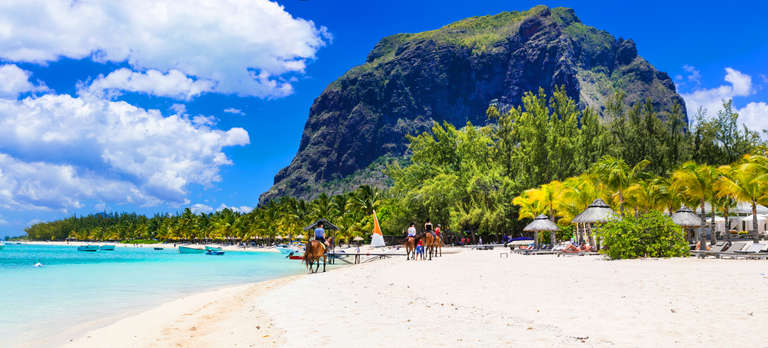
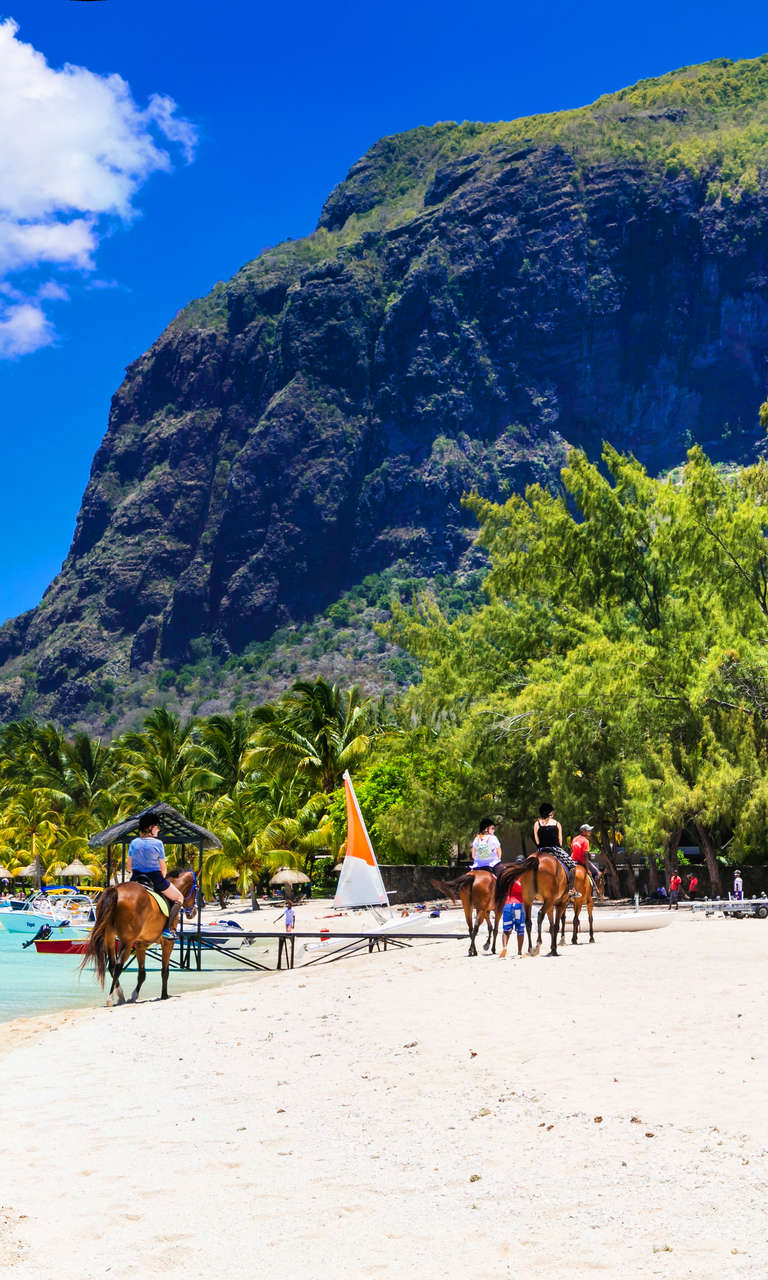
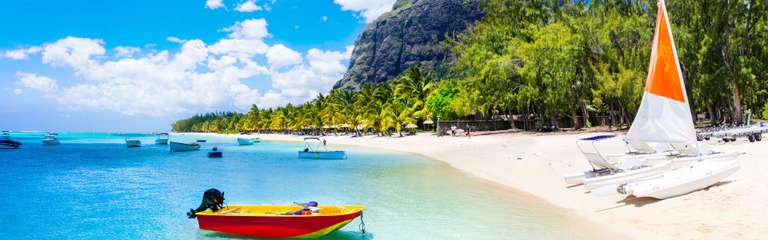
Nestled at the foot of the iconic Le Morne Brabant Mountain, this beach is a UNESCO World Heritage site. Le Morne Beach is not only beautiful but also a hub for adventure sports like kitesurfing and windsurfing, thanks to its reliable winds.
Activities:
Kitesurfing and windsurfing
Scenic walks along the shore
Best for: Adventure enthusiasts and those looking for stunning views.
Located between Grand Baie and Cap Malheureux, Pereybere Beach is a small but lively spot. It attracts both locals and tourists, offering a vibrant atmosphere perfect for socialising and enjoying local cuisine at nearby food stalls and restaurants.
Atmosphere: Lively and friendly, great for people-watching.
Activities:
Swimming and relaxing
Enjoying fresh seafood and local dishes
Famous for its marine park, Blue Bay is a must-visit for snorkelling and diving enthusiasts. The beach features soft sand and calm waters, ideal for relaxation after exploring the underwater world.
Highlights:
Stunning coral reefs and diverse marine life
Perfect for both relaxation and adventure
The beaches of Mauritius offer something for everyone, whether you're seeking adventure, relaxation, or a family-friendly environment. With stunning landscapes and a variety of activities, you're sure to create unforgettable memories during your beach holiday in this island paradise.
The diverse mix of cultures on the island and the influences of Indian, Creole, Chinese and French cuisine make eating out in Mauritius a delight. Whether you're a fan of spicy curries or Chinese-inspired noodle dishes or are just interested in exploring the amazing variety of fruit and vegetables, Mauritius has something to please every palate.
Dholl Puri: This popular pancake is filled with lentils or split peas, a flavourful sauce, chutney and pickles and is a favourite at roadside stalls across the island.
Curry: Mauritian curries are a blend of Indian, Creole and African flavours. They are typically light, contain fish, chicken or vegetables, and served with rice or roti.
Rougaille: A Creole dish made with tomatoes, garlic and spices, often served with fish, chicken or sausage.
Octopus curry: A local favourite, octopus cooked in a spiced sauce, often enjoyed with rice or bread.
Grilled fish: Freshly caught fish, such as red snapper or parrotfish, grilled with herbs and served with salad and rice.
Gajak: An assortment of tasty, hot snacks sold by street vendors that are perfect for a quick bite on the go. They include croquettes, croustillants (crispy balls) made from meat, fish, chicken or vegetables, or gateaux piments (chilli cakes).
Boulettes: Similar to Chinese dim sum, these steamed dumplings made from fish, pork or chicken are served in a flavoursome broth.
Restaurants serve a mix of sweet pancakes, Indian-style kulfi, European-style pastries, fancy puddings and cakes. Depending on the season, the varieties of fresh fruit on offer can be mangos, lychees, passion fruit, pawpaw or pineapple.
Alouda: A refreshing drink made from milk, basil seeds and agar-agar, often flavoured with rose or vanilla essence.
Rum: Mauritius is famous for its rum, with local distilleries offering a variety of flavours, from classic dark rum to spiced and vanilla-infused varieties.
Support and useful information
Secure payment