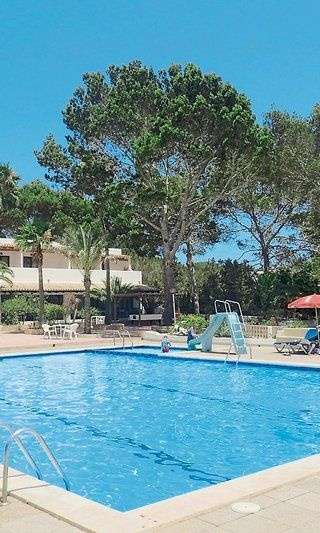
Good to know about Formentera
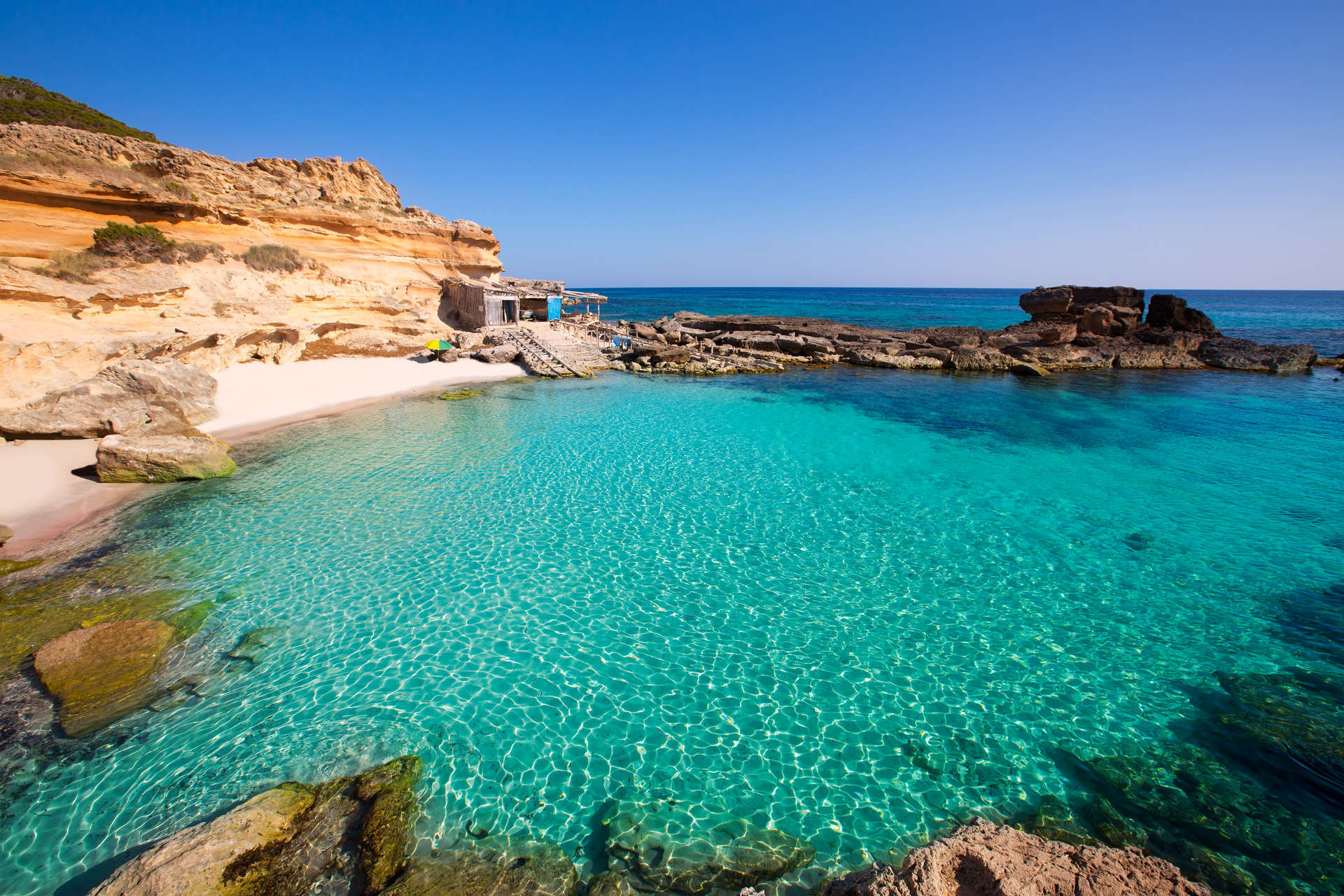
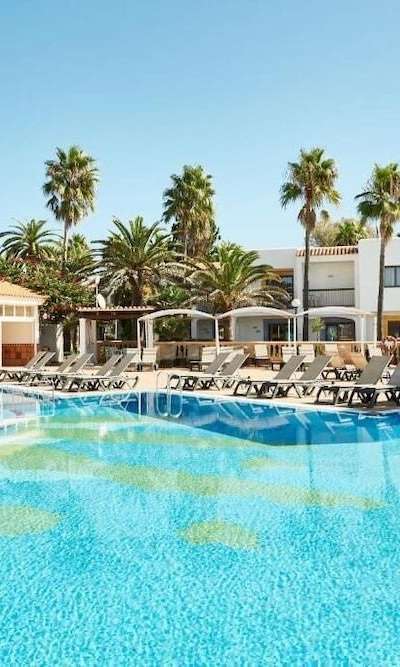
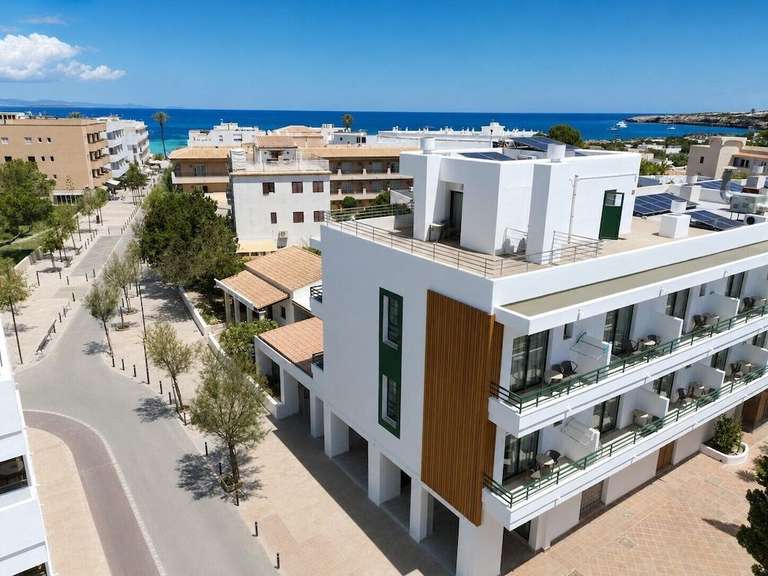
Formentera, the smallest of Spain’s Balearic Islands, is a hidden gem in the Mediterranean. With its white-sand beaches, turquoise waters and peaceful pace of life, it’s the perfect escape if you’re after sunshine and serenity.
How to reach Formentera
There’s no airport on Formentera, so the usual route is to fly into Ibiza and then hop on a ferry. Flights to Ibiza from Ireland usually take about 2.5 hours. From the airport, it’s roughly 15 minutes to the port by taxi or shuttle, and the ferry to Formentera takes around 30 minutes. Return tickets cost anywhere between €20 and €40, depending on the time of year and class. If you’re renting a car, car ferries are available too.
Best time to visit Formentera
The best time to go really depends on what kind of break you’re after.
Spring (March to May): Expect pleasant temperatures between 15°C and 22°C and fewer tourists. It’s a lovely time for walking, cycling and seeing the island in bloom.
Summer (June to August): Peak season with long, sunny days (25°C to 30°C), perfect for the beach. It’s the busiest time of year, so book early for the best rates.
Autumn (September to November): Quieter and cooler, with temperatures from 20°C to 25°C. The sea is still warm, and it’s a great time for swimming or unwinding without the summer crowds.
Winter (December to February): Low season, with cooler days (12°C to 16°C) and more rainfall. Ideal if you want to escape the hustle and bustle and enjoy a peaceful break.
Practical information
Language: Spanish and Catalan are the official languages, but English is commonly spoken in tourist spots.
Customs: Beachwear is fine by the sea but not in shops or restaurants. Tipping around 10% in restaurants is appreciated.
Safety: Formentera is very safe, though as always, keep an eye on your belongings in busier areas.
Health: No special vaccinations are needed. If you’re travelling from within the EU, it’s a good idea to carry your EHIC or GHIC card.
Currency: The island uses the euro (€). Card payments are widely accepted, but some smaller places prefer cash.
Getting around: It’s easy to explore the island by hiring a bike or scooter. There are also buses and taxis if you prefer.
Electricity: Plugs are the standard two-pin European type, with 230V voltage. You’ll need an adaptor if you're bringing plugs from Ireland.
Best areas to stay in Formentera
Each part of the island has its own personality, so where you stay depends on what sort of vibe you're after.
Es Pujols: The liveliest village on the island, ideal if you want nightlife, beachfront bars and lots of restaurants. Great for younger travellers and those after a social scene.
La Savina: This is the main port and a handy base if you want easy access to ferries. It’s perfect for shorter stays or if you're planning day trips.
Sant Francesc Xavier: The capital is laid-back, authentic and full of charm. You’ll find boutique shops, local cafés and a relaxed atmosphere. Brilliant for couples or families.
Cala Saona: A more secluded spot with lovely sunsets and a quieter beach. It’s ideal if you want to get away from the crowds and enjoy a peaceful retreat with a luxury touch.
No matter which area you choose, you’ll be surrounded by stunning natural beauty and a chilled-out island vibe. Formentera really is a place to slow down, breathe in the sea air and simply relax.