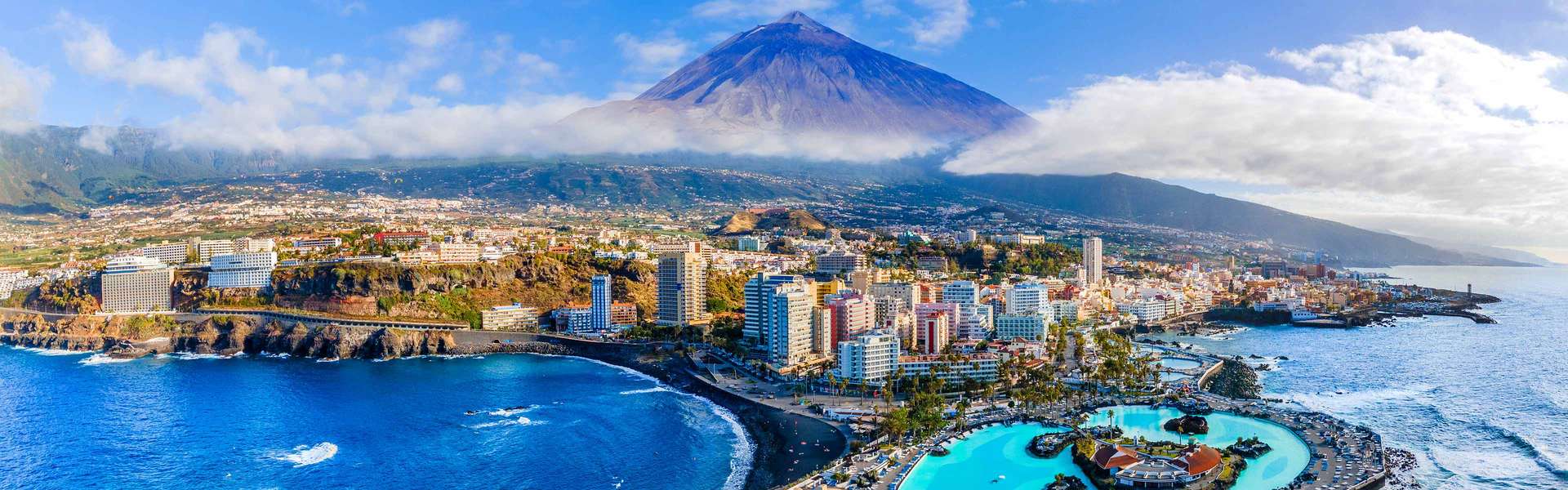
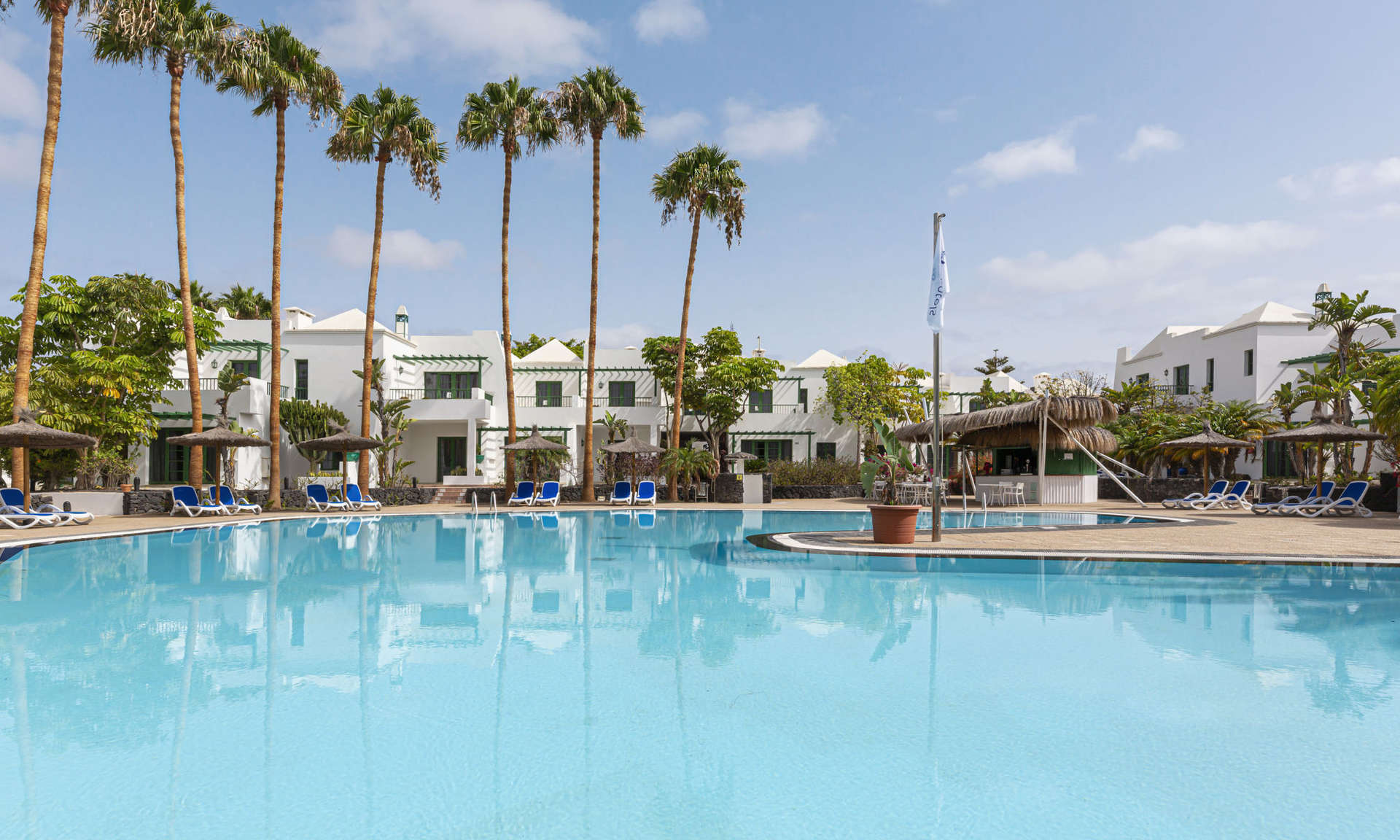
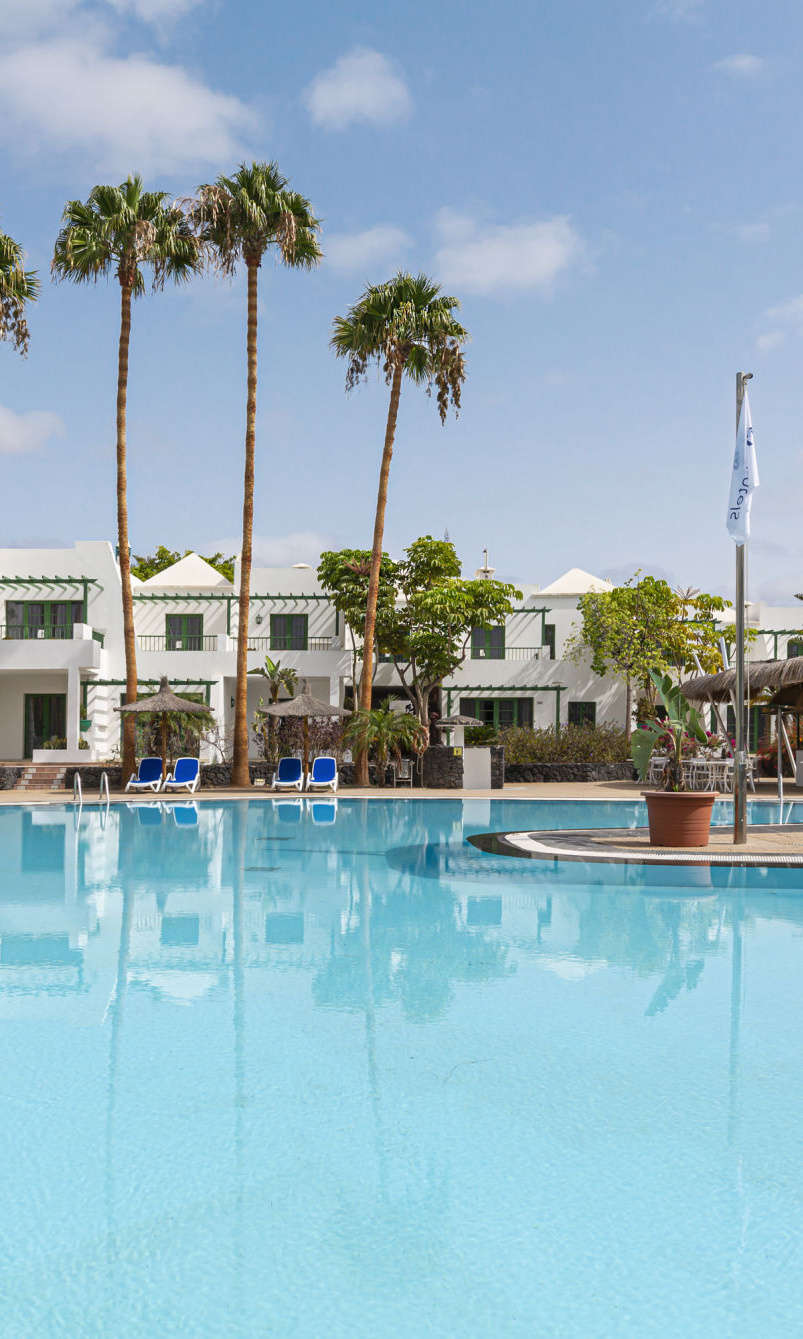
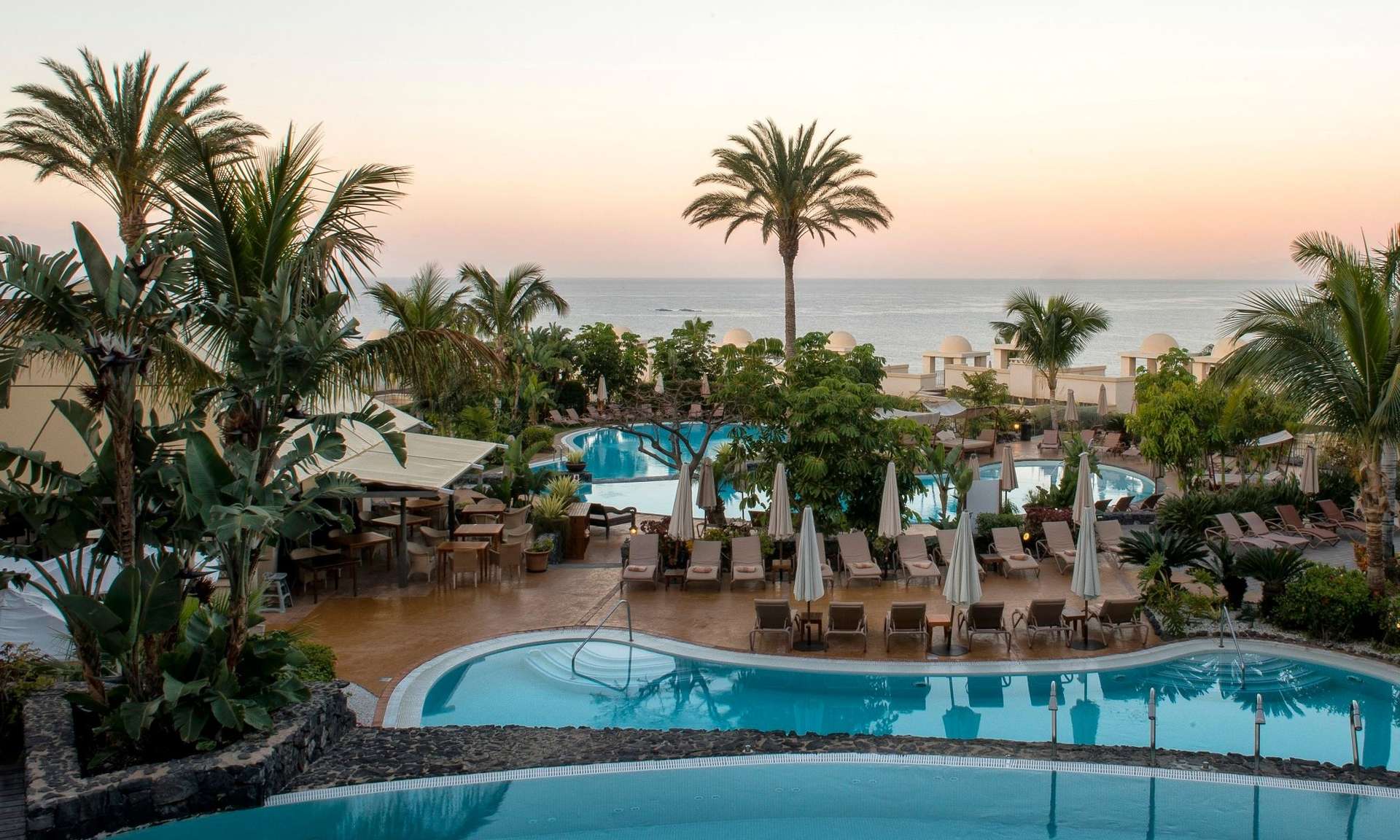
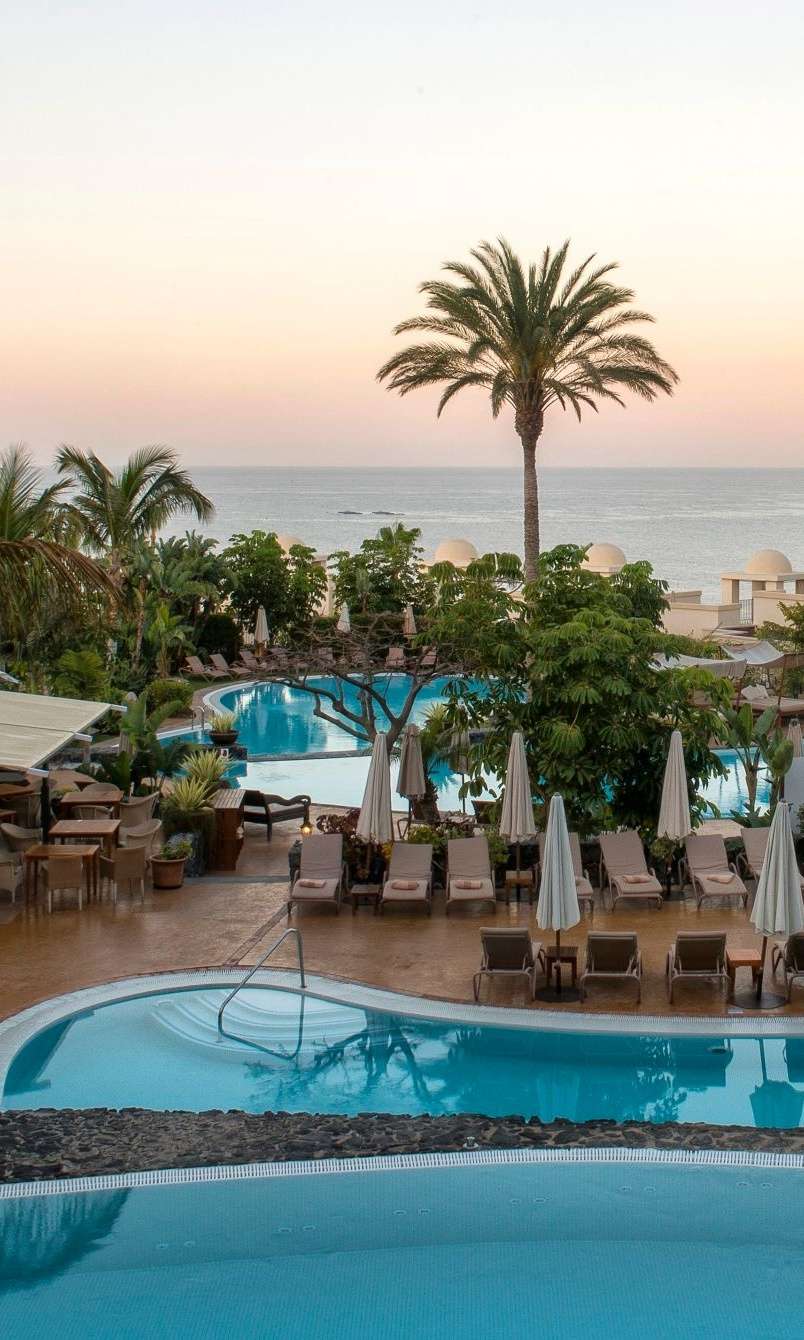
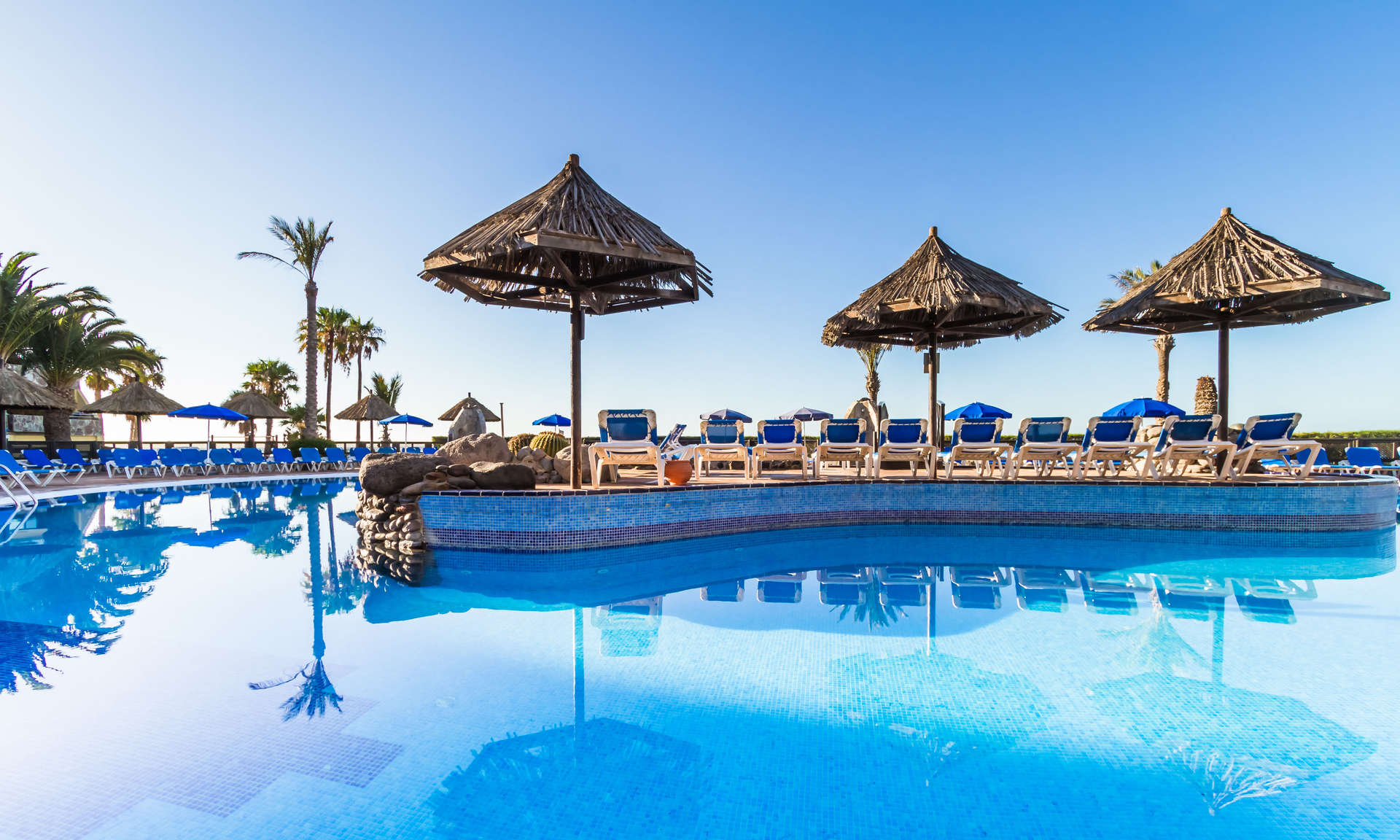
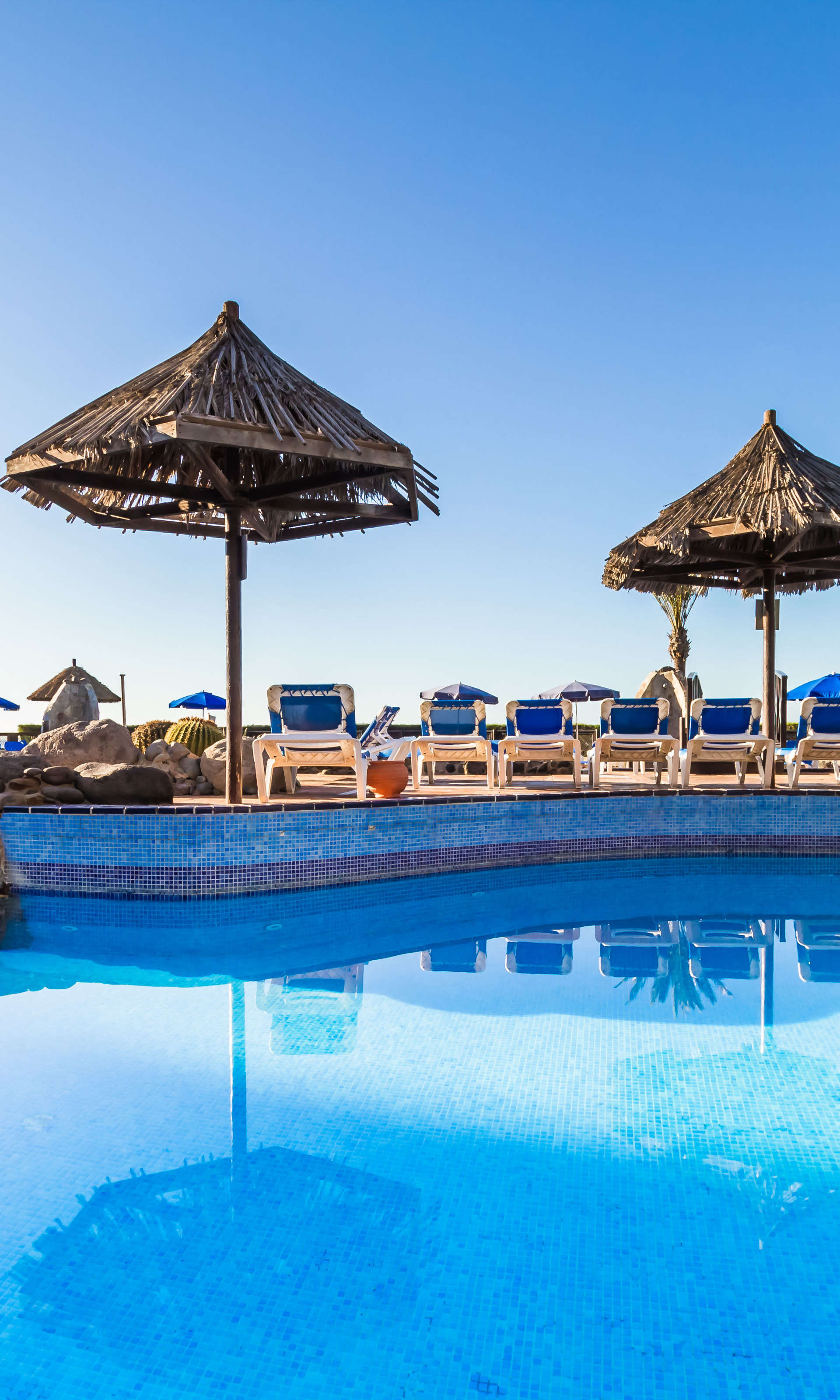
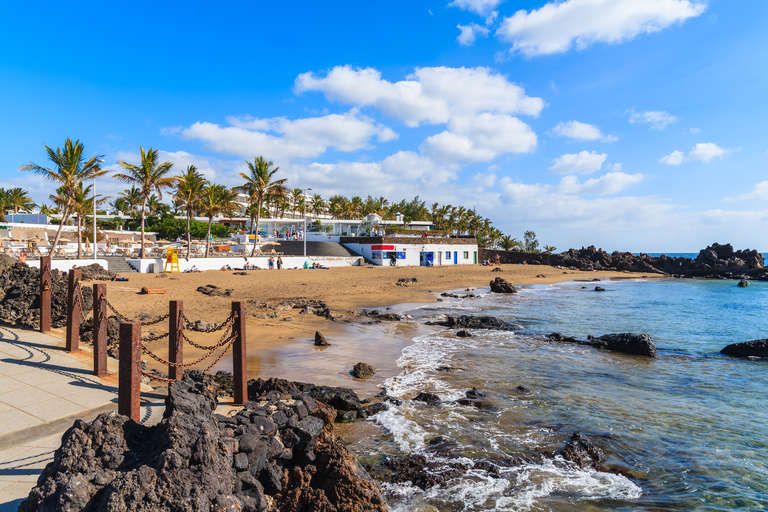
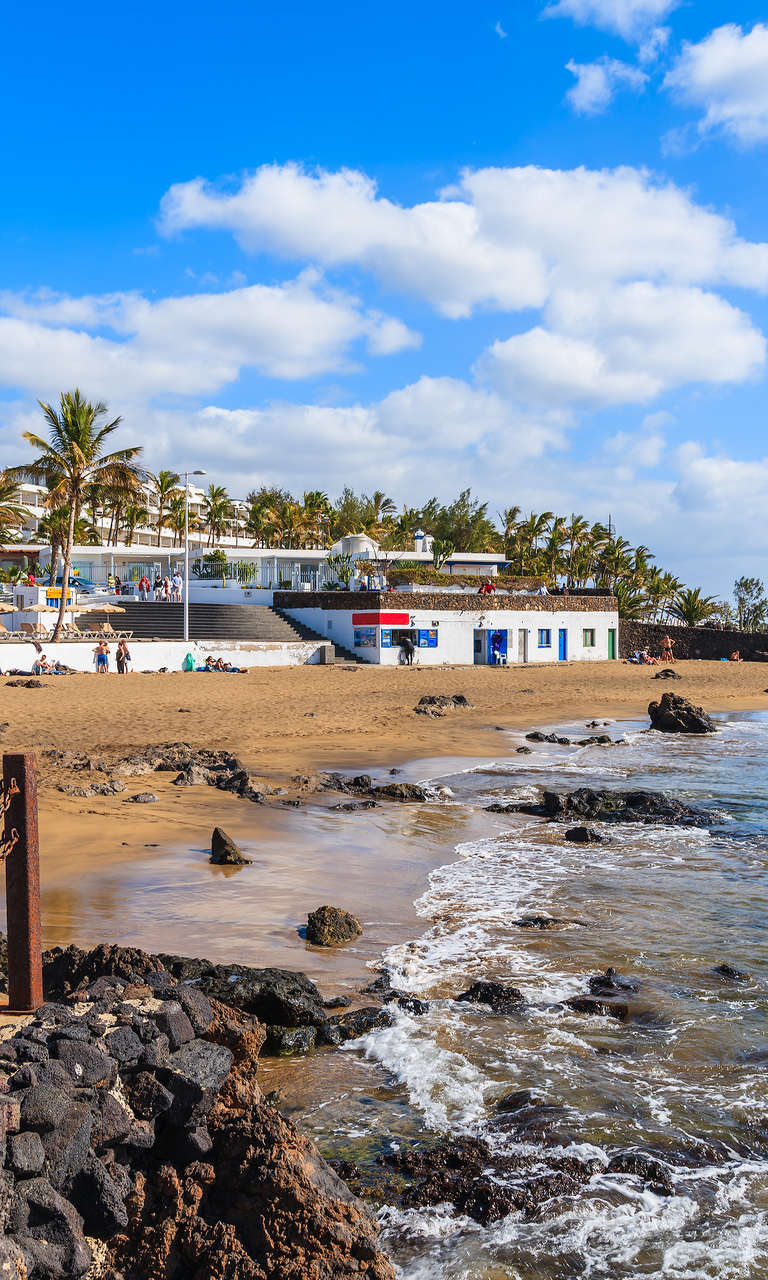
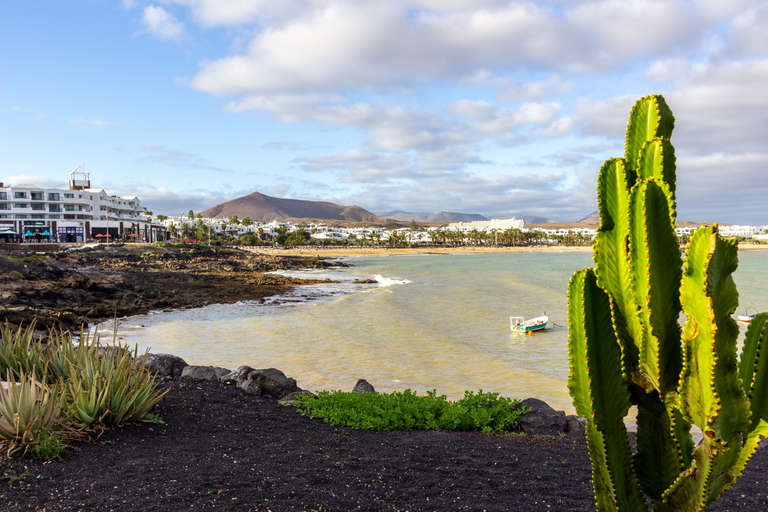
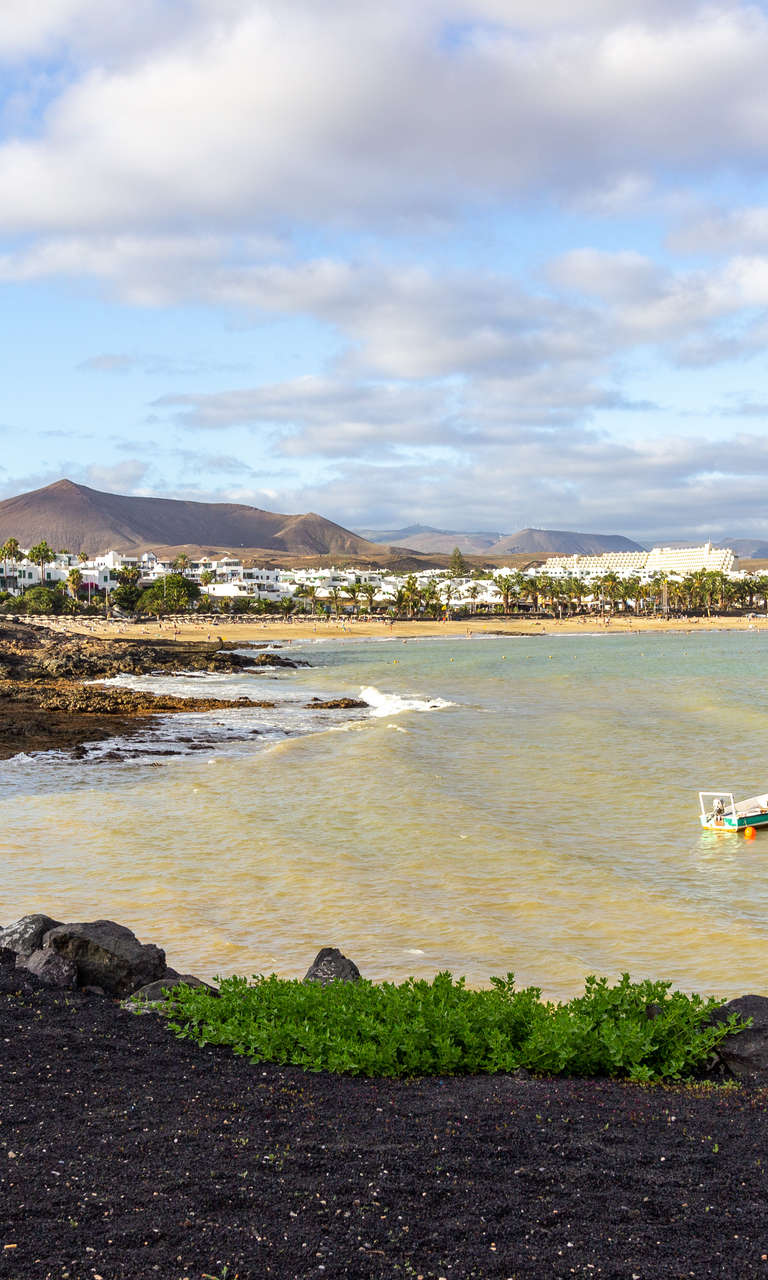
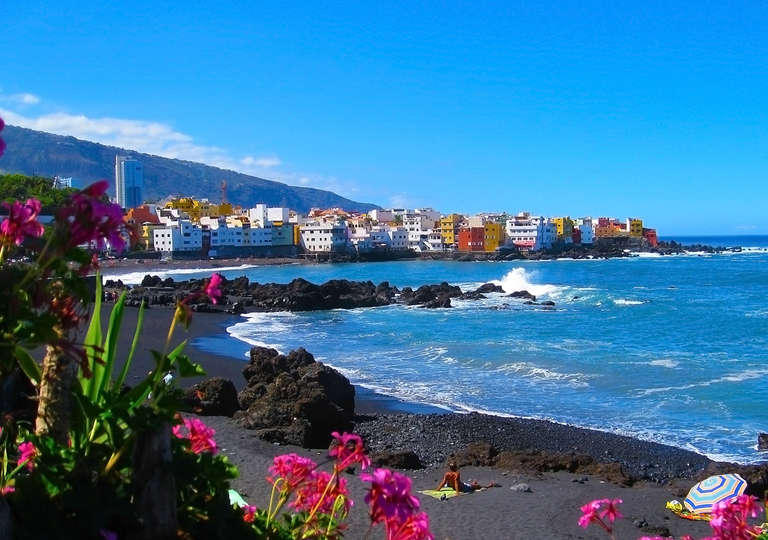
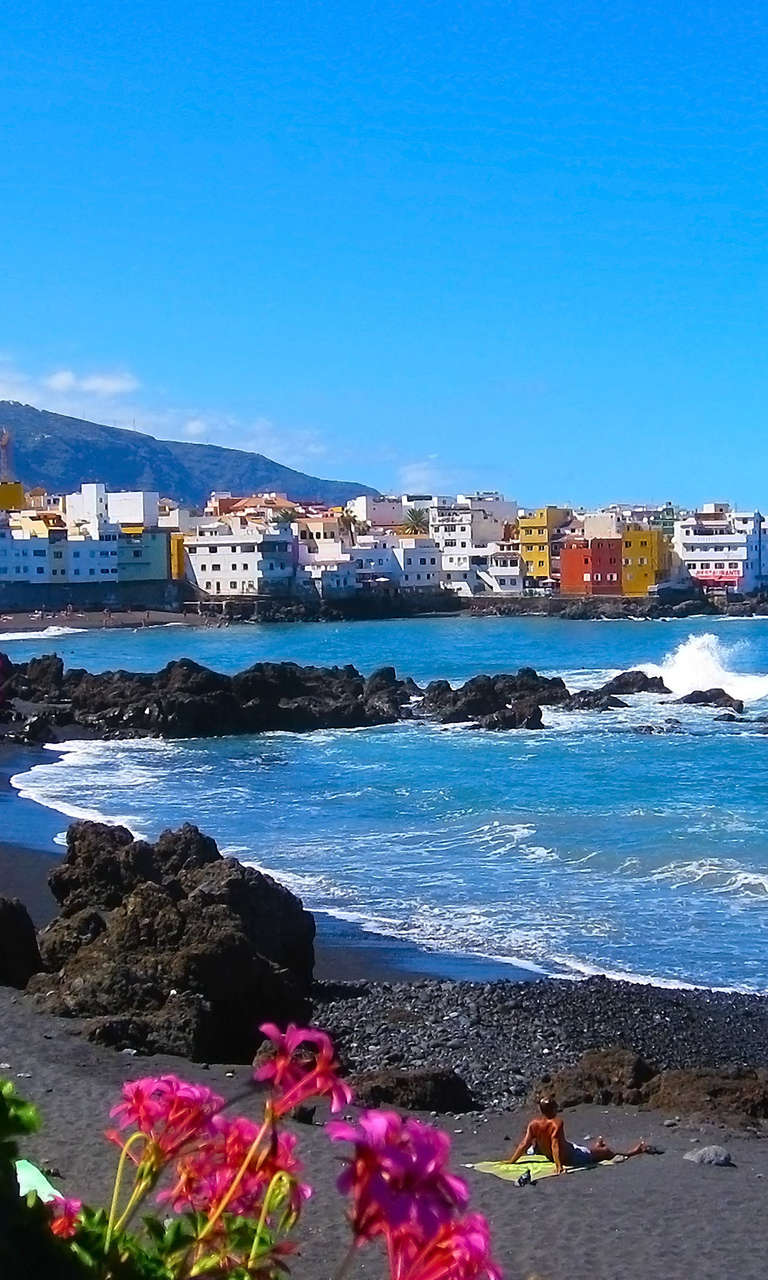
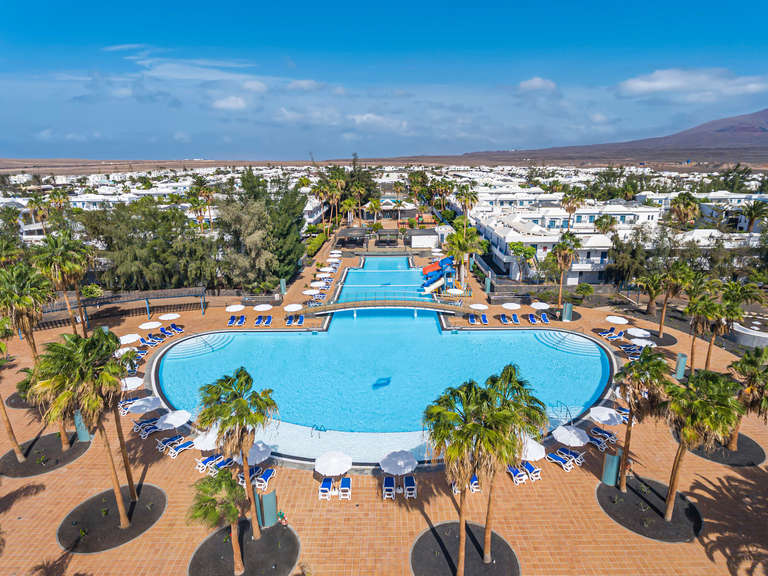
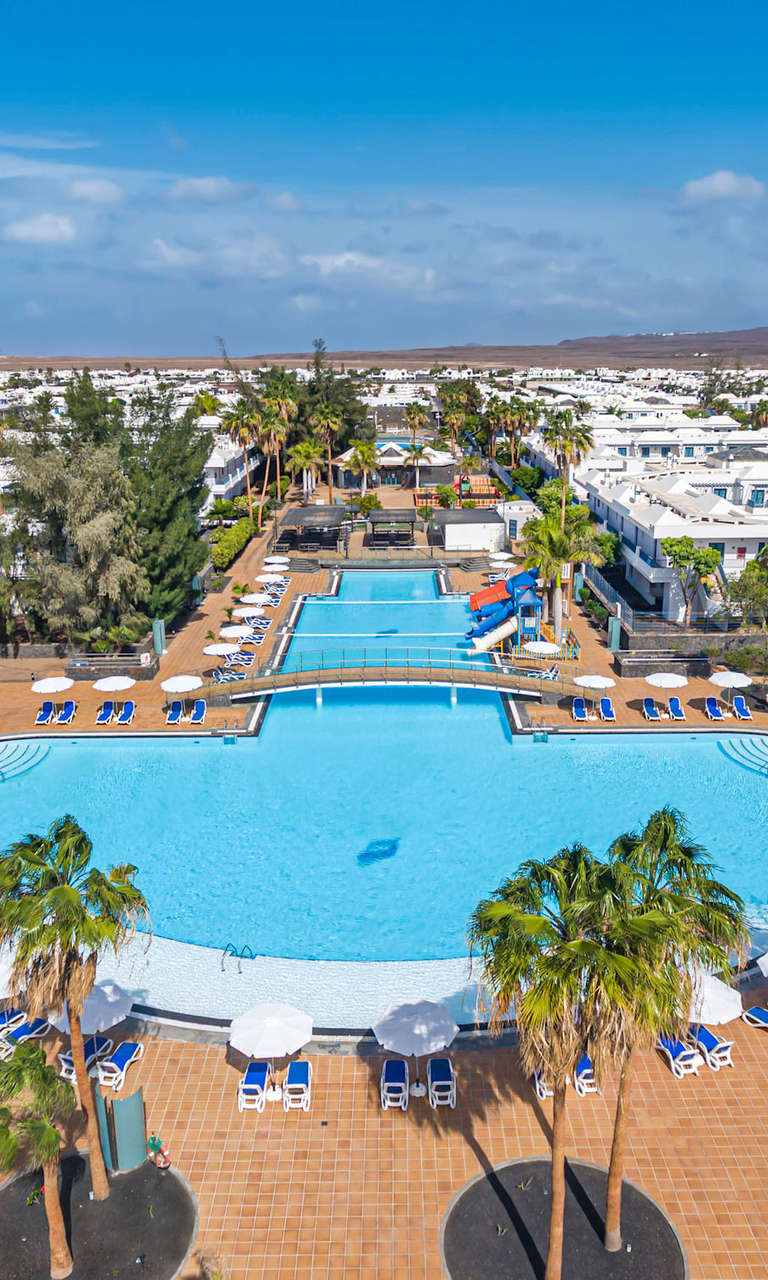
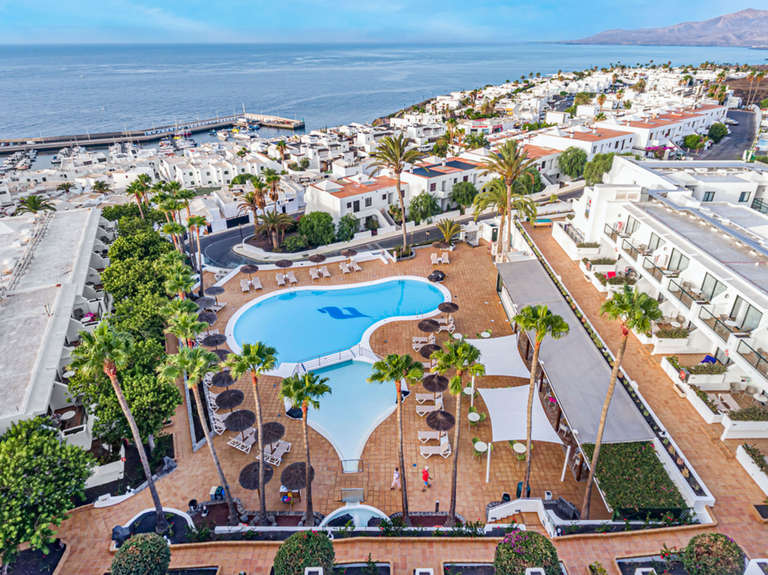
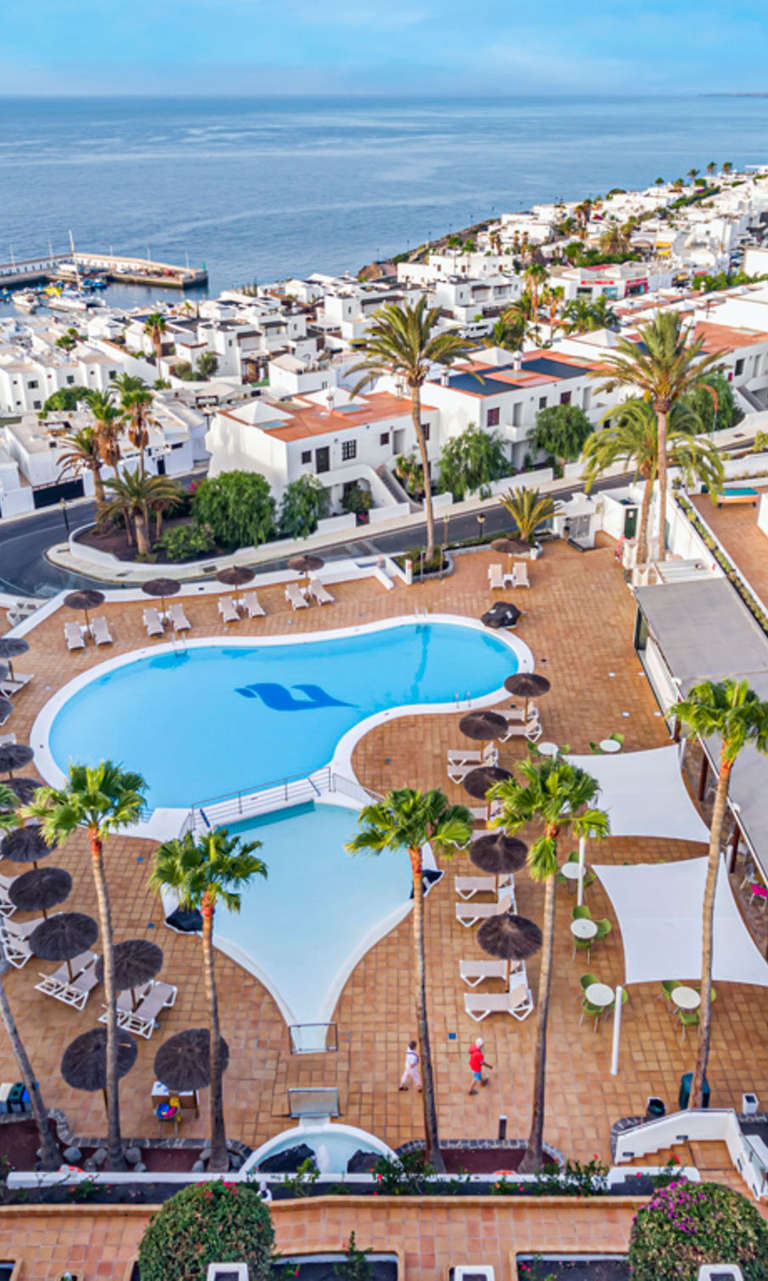
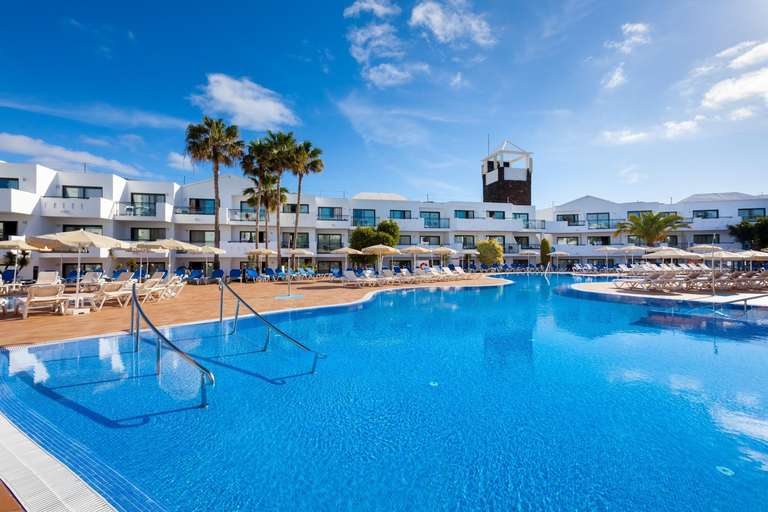
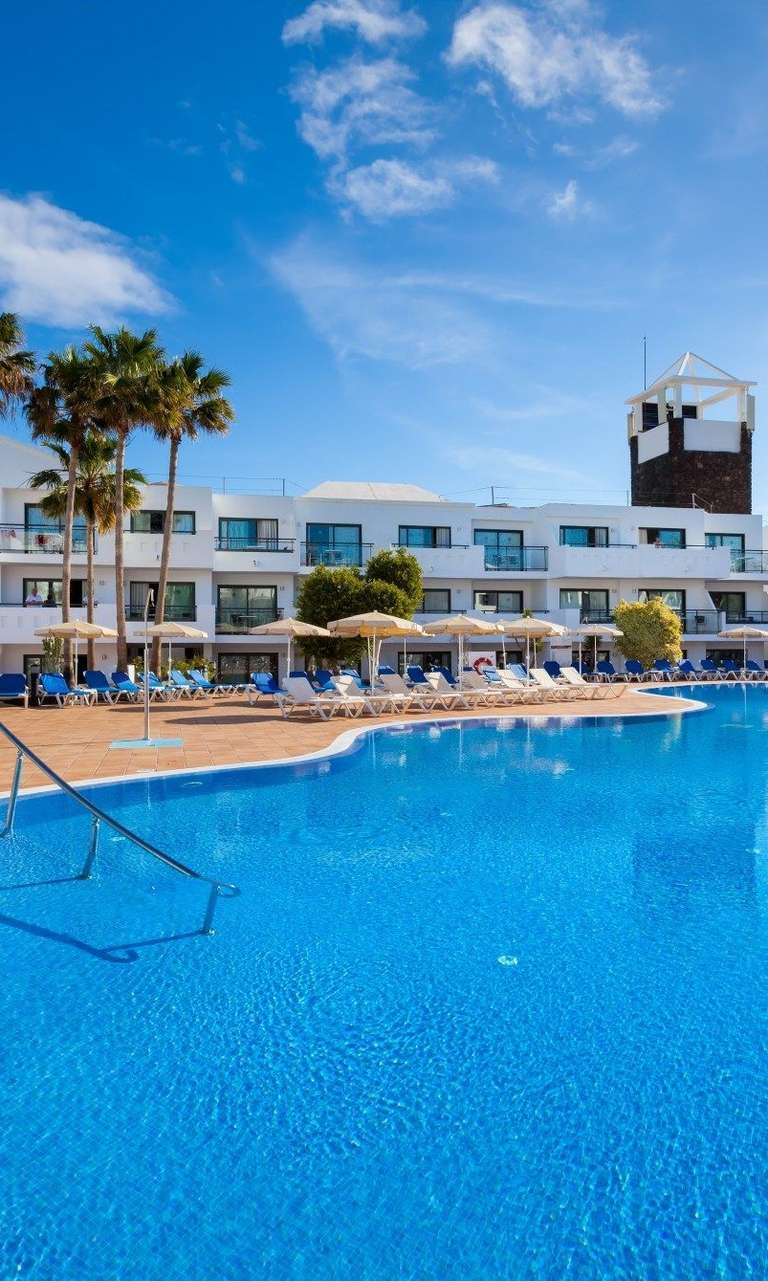
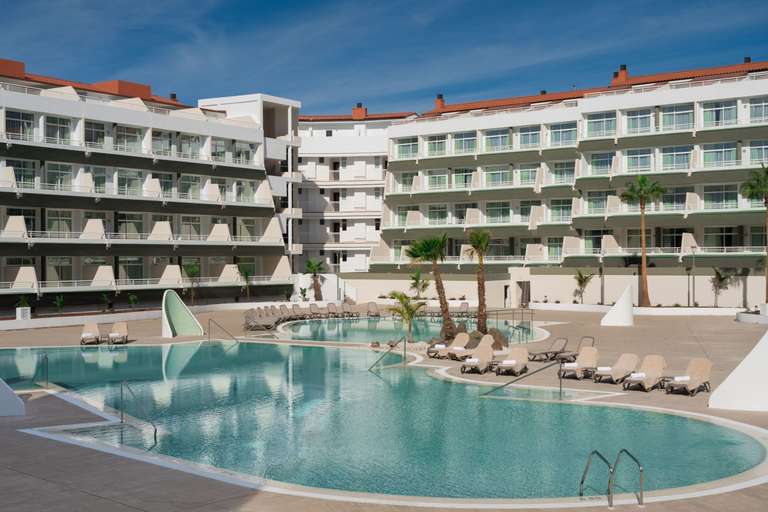
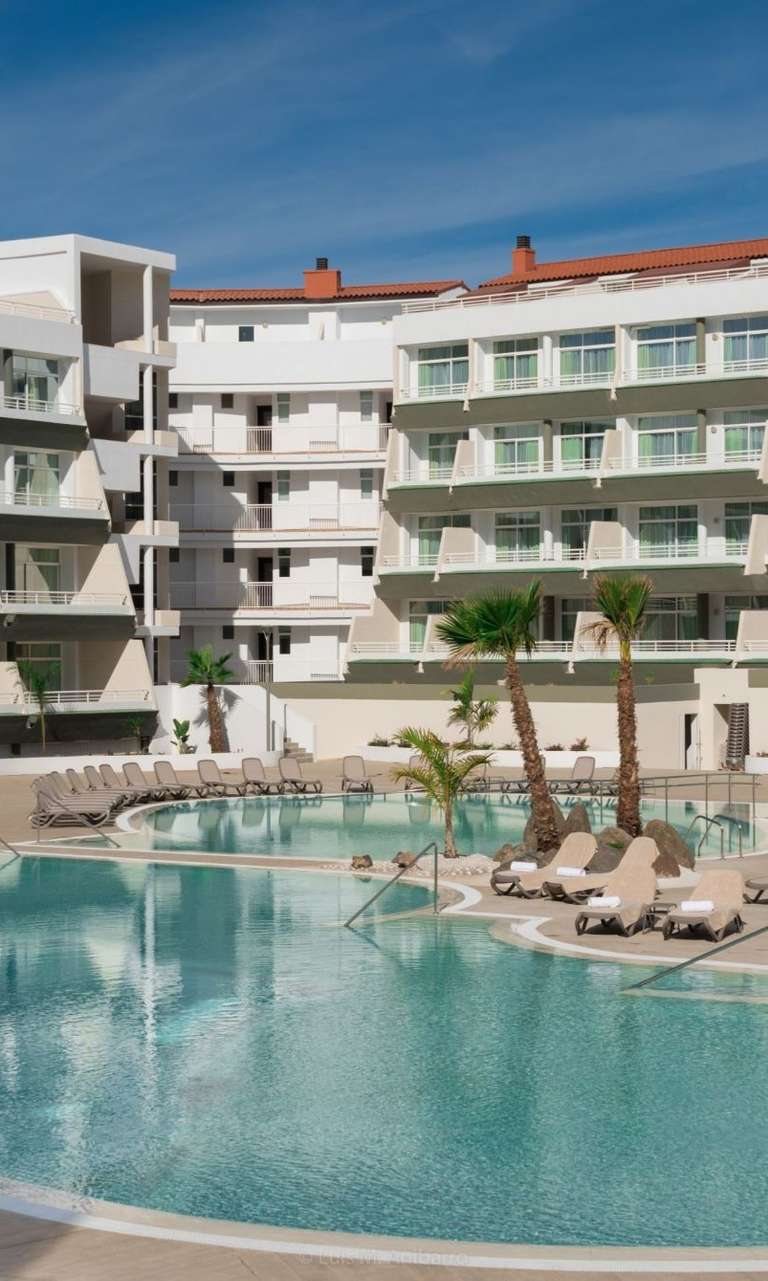
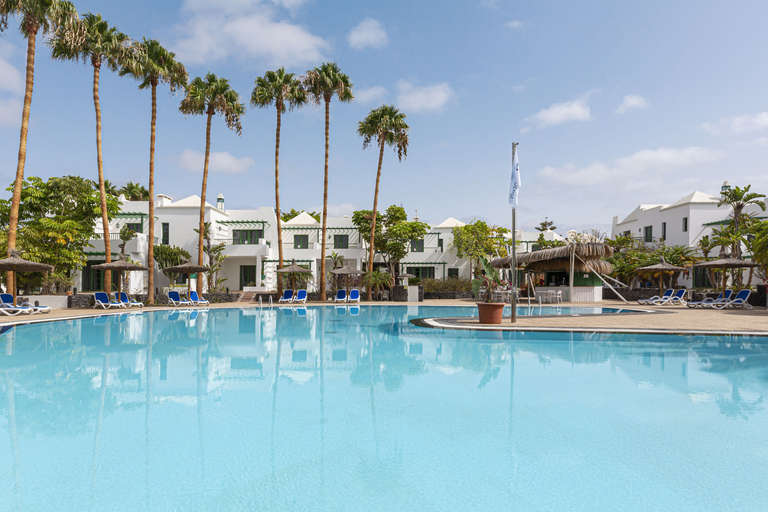
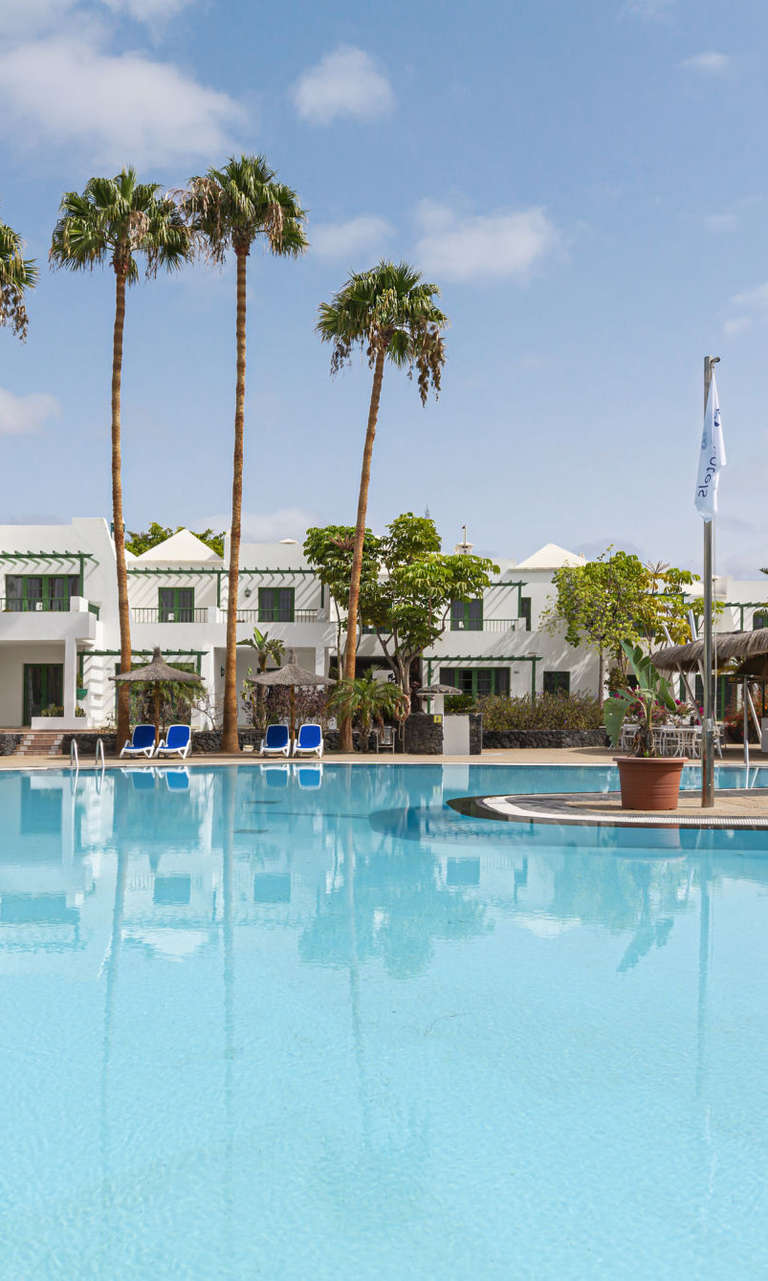
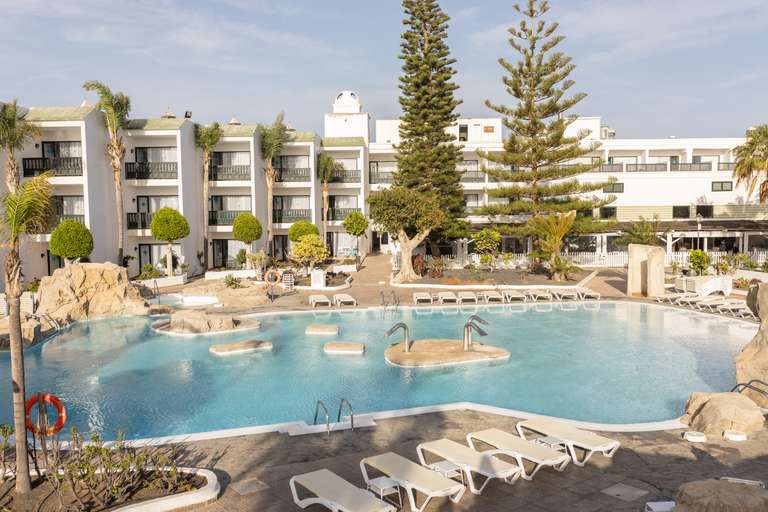
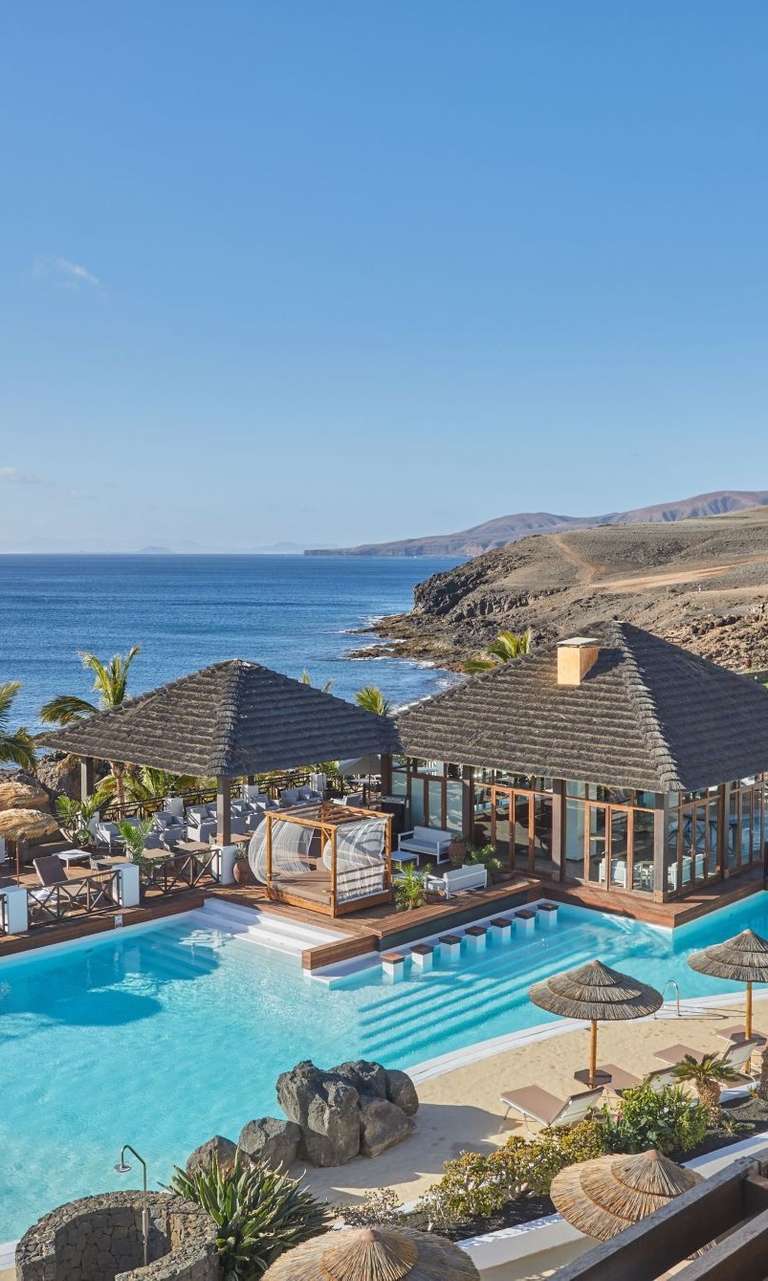
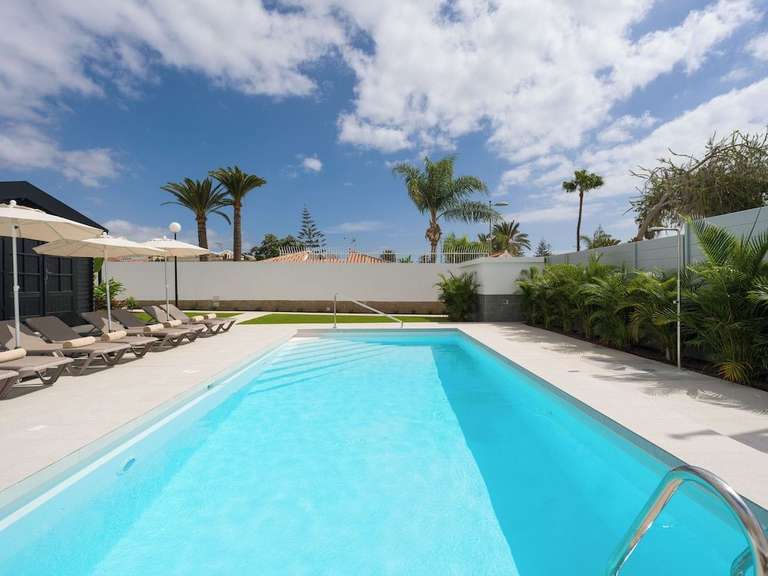
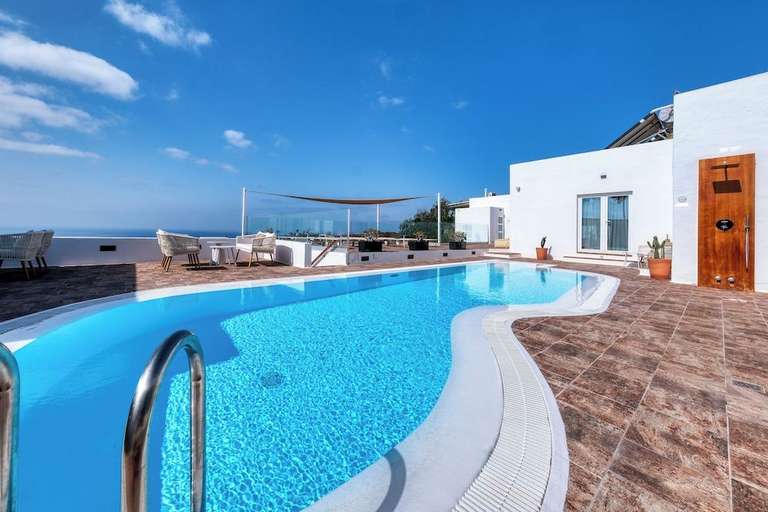
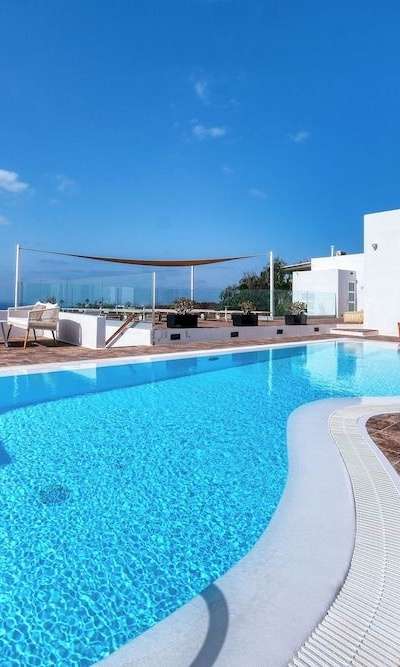
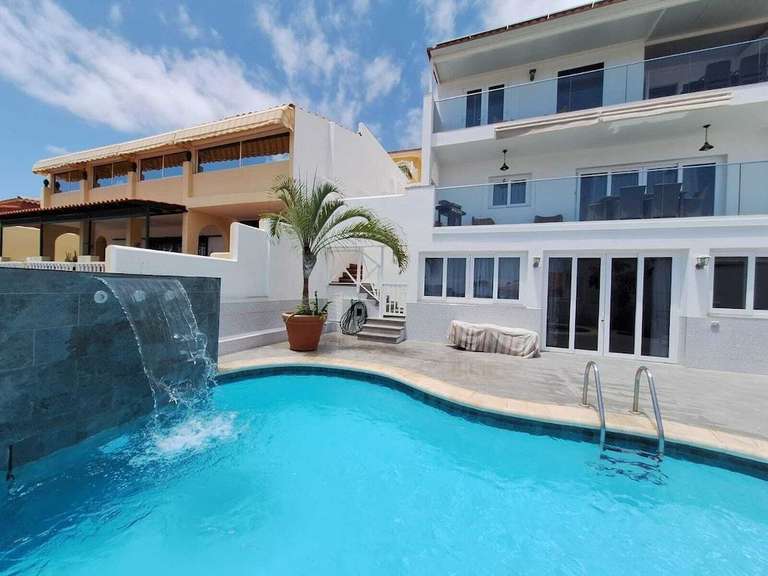
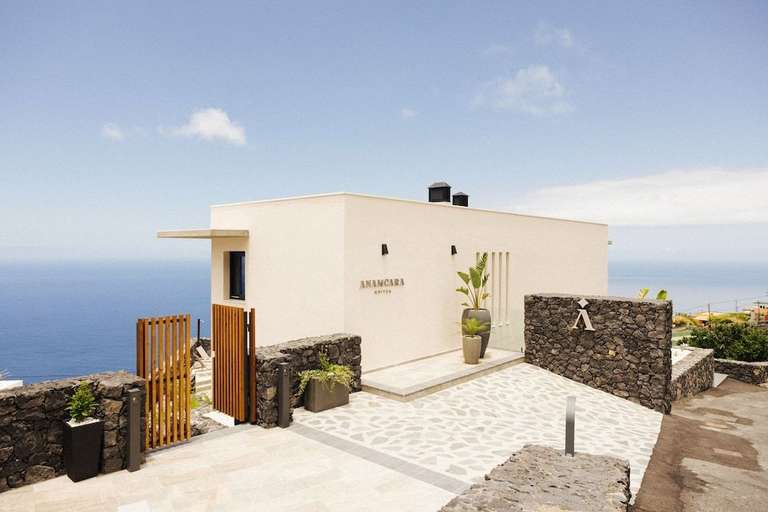
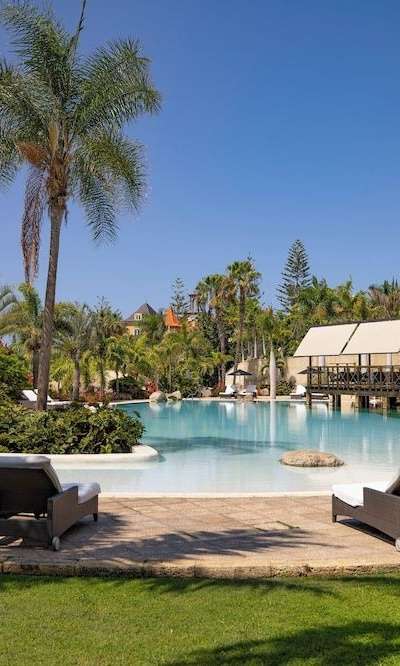
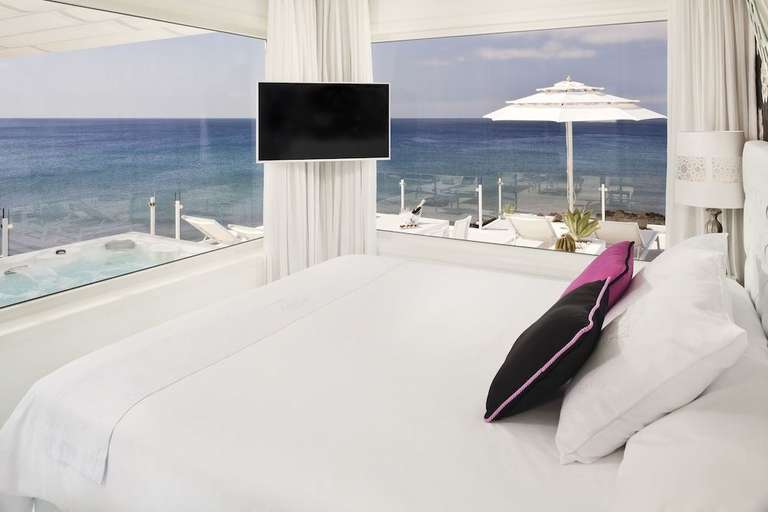
If you're dreaming of sun-soaked beaches and breathtaking landscapes, then Canary Islands holidays are the perfect escape for you. Nestled off the northwest coast of Africa, this stunning archipelago offers a unique blend of volcanic scenery, vibrant culture, and year-round sunshine, making it a top choice for Irish travellers seeking both adventure and relaxation. From the striking cliffs of Tenerife to the golden sands of Gran Canaria, each island presents its own charm and opportunities for exploration. With excellent flight connections from Ireland and a wealth of activities to indulge in, now is the ideal time to explore the delights of the Canaries. Don’t miss out—check out our fantastic deals and offers for an unforgettable getaway to the Canary Islands!
Enjoy access to special prices, only available on package deals.
Choose from thousands of flights, hotels and stays.
Book with a small deposit and pay the rest later.
Quickly add insurance, luggage, rental cars and more.
Book the best deals on holidays to Canary Islands today!
Flight time: It takes about 4 hours to fly to the Canary Islands. There are plenty of scheduled and budget flights available from various airports in Ireland to Tenerife and Gran Canaria. While you can find some direct flights to Lanzarote, most will have you stopping over in Madrid or Barcelona. Alternatively, you can catch a flight to Gran Canaria or Tenerife and then hop on a connecting flight to your final destination.
Transfer time: Once you land, transfers to central areas or popular resorts in Tenerife, Gran Canaria, Lanzarote, and Fuerteventura usually take between 20 minutes and an hour. If you’ve booked a package holiday, most times your hotel will sort the transfer for you. For those flying solo, there are taxis, private shuttle services, and regular public buses running from the airports to the main towns.
Price: Expect to pay between €2 and €10 for public and shuttle buses from the airport to tourist hotspots. Taxi fares generally range from €20 to €40 based on how far you need to go.
The Canary Islands have a lovely subtropical climate, so they're a great spot to visit all year round. The summer months of July and August are peak season, especially popular with families and visitors from mainland Spain drawn to the sunny weather and stunning beaches. From December to April, many people head to the south of Tenerife and Gran Canaria looking for a warm winter getaway. Throughout the year, temperatures in the Canary Islands are pleasant, averaging between 18°C and 24°C, with no extreme weather to worry about. August tends to be the hottest month, reaching around 28°C, while February cools down a bit, averaging about 20°C for daily highs.
If you'd rather skip the hustle and bustle, consider visiting from March to May or September to November for a more peaceful experience. This is the perfect time for hiking, enjoying nature reserves, and spending time on the beaches without the summer crowds. Autumn especially tends to have comfortable temperatures and is ideal for outdoor fun and wine lovers, as it coincides with grape harvesting season in the islands.
For those keen on swimming and beach activities, August to October is when the sea is at its warmest. Even in the cooler winter months, the weather is still pleasant enough for sunbathing and outdoor adventures. The islands offer a wide range of activities throughout the year, from water sports in Fuerteventura between June and October to the vibrant carnival in Santa Cruz de Tenerife each February.
Spoken languages: Spanish is the main language, but you'll find that English is commonly understood, especially in tourist areas.
Local habits and customs: Life in the Canary Islands is wonderfully laid-back, often called the "mañana" culture, which is all about enjoying life and taking things at a leisurely pace. Visitors are encouraged to embrace this relaxed vibe and to be respectful of local customs and traditions.
Currency: The Euro is the currency used everywhere in the Canary Islands. ATMs are easy to find, and most places will accept credit cards.
Getting around: Public bus services are affordable and dependable. You can buy tickets on the bus, usually costing around €2. If you get a rechargeable Bono card from bus stations or shops, you can save 10-50% on regular fares. Taxis are widely available in towns, and fares are metered in urban areas. For longer trips outside town, you might find fixed tariffs handy, but it’s a good idea to agree on a price before you set off. If you want to explore more remote areas, renting a car is convenient and budget-friendly.
Electricity and plug types: The standard voltage is 220 volts, with two-pin continental-style sockets. If you’re travelling from Ireland, you’ll need an adaptor.
Time zone: The Canary Islands follow GMT all year round. From April to October, they change to GMT+1 for Daylight Saving Time. Just remember, they are one hour behind mainland Spain throughout the year.
Whether you're looking to immerse yourself in the natural beauty, delve into the islands' rich history and culture, or simply relax on the beach, Canary Islands holidays offer an array of unforgettable experiences.
Viewpoints and panoramas: The islands are renowned for their breathtaking views, from spots like the Mirador del Río in Lanzarote and the Humboldt Viewpoint in Tenerife which provides stunning views over the Orotava Valley, towards Mount Teide.
Best towns and villages: The Canary Islands are dotted with attractive colonial towns and villages that make for enjoyable days out. La Orotava, on Tenerife, is best known for its Doce Casas, 12 striking Canarian-style mansions that were former residences of the area's leading families. Teguise on Lanzarote is an attractive town that holds a busy market every Sunday, while Betancuria is a pretty 15th-century town with cobbled streets and courtyards. Vegueta, on Gran Canaria, is lined with colonial buildings featuring intricately carved balconies and palm-filled courtyards, while the bougainvillea-draped village of Puerto de Mogán is one of the prettiest places on the island.
Cultural exploration: Exploring the historic town of San Cristobal de La Laguna – Tenerife's former capital and a UNESCO World Heritage Site – is like walking through a living museum. The more recent work of César Manrique on Lanzarote provides a fascinating insight into the island's commitment to sustainable tourism.
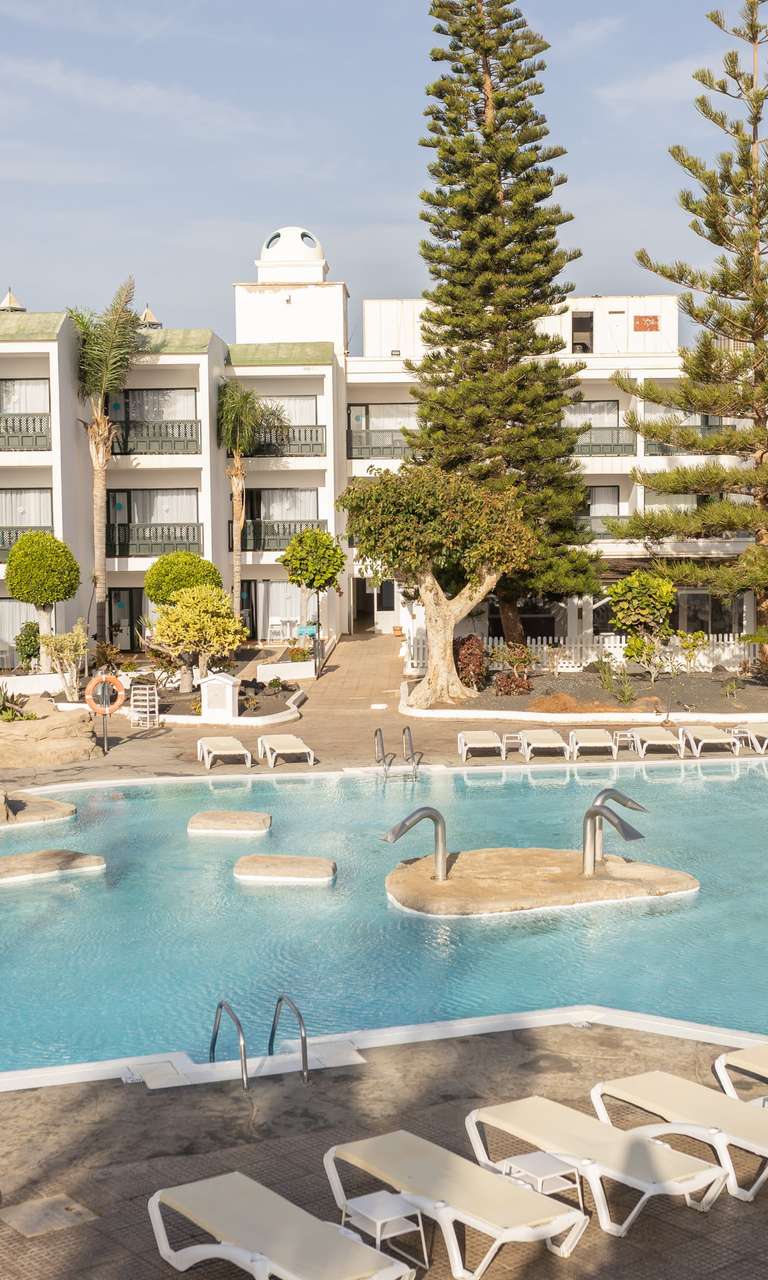
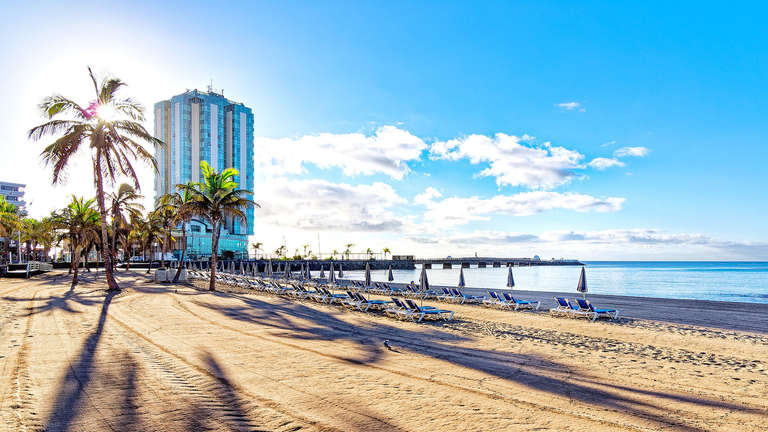
Beaches: Lanzarote's biggest resort, Puerto del Carmen, is also home to its most splendid beaches, while Playa de Maspalomas in Gran Canaria and Playa La Tejita on Tenerife are equally charming and great for water activities. Fuerteventura's beaches are famous for their vast, golden sands and clear waters, perfect for relaxation or water sports like surfing and kiteboarding.
Wildlife and adventure: Gran Canaria offers whale-watching expeditions where you can spot dolphins and whales in their natural habitat.
The Canary Islands are a fantastic destination for families, offering a wide range of activities that cater to both children and adults:
Swimming pools and water parks: Many resorts in the Canary Islands feature family-friendly pools, complete with slides and play areas for children. Siam Park in Tenerife is heralded as one of the best water parks in the world, providing thrilling rides and a wave pool for endless fun.
Playgrounds and recreational areas: Across the islands, you'll find numerous play areas where children can enjoy the outdoors.
Aquariums and zoos: Loro Parque in Tenerife, recognised for its extensive collection of animals and marine life, offers educational shows and exhibits that both kids and adults will love.
The Canary Islands offer a plethora of activities that don't cost anything but are rich in experiences and memories:
Free museums: Museums like the History and Anthropology Museum on Tenerife offer free admission on certain days, while the Fine Art Museum has free entrance.
Explore by public transport: Buses, known locally as "guaguas", offer an affordable way to discover hidden gems across the islands, with fares typically around €2–€5 for short distances.
Parks and gardens: Hijuela del Botanico, on Tenerife, is a charming botanical garden, free to enter and perfect for nature lovers.
Spas and thermal baths: Each island boasts a variety of spas that offer a range of treatments, including massages, facials and thermal baths. Notable venues on Tenerife include The Oriental Spa Garden and the Vincci Plantacion del Sur Spa in Costa Adeje, which provide serene environments for ultimate relaxation.
Traditional body care: Sand from the beaches, permeated with sea salt, serves as an excellent exfoliant and has been used in wellness treatments for rheumatism and arthritis. Aloe vera, which thrives in the Canary climate, is ideal for skin hydration, offering soothing and anti-inflammatory benefits.
Vinotherapy: This unique treatment uses the antioxidant properties of grapes and wine to cleanse and nourish the skin.
National parks: Nature enthusiasts will find solace in the diverse landscapes of the Canary Islands' national parks. Teide National Park in Tenerife, home to Spain's highest peak, and Timanfaya National Park in Lanzarote, with its lunar-like terrain, offer unique natural experiences. For a lush, green contrast, Anaga National Park in Tenerife is full of laurel trees and breathtaking viewpoints. Meanwhile, La Gomera's Garajonay National Park provides ample opportunities for hiking and exploring diverse ecosystems.
Water sports: Just about every waterborne activity ever thought of is available in the Canary Islands. Some, like scuba diving, allow you to experience the area's unique wildlife, whilst others, such as windsurfing, take advantage of the superb natural conditions. Other ways to get out on the water include sailing, SUP and fishing trips.
Adventure activities: On land, there are good mountain bike trails, opportunities for horse riding and the chance to explore the rougher terrain by jeep, buggy or quad bike safari.
The Canary Islands, an archipelago off the northwest coast of Africa, are famous for their stunning beaches, diverse landscapes, and year-round sunshine. Whether you're looking for golden sands, dramatic volcanic shores, or secluded coves, the Canary Islands have a beach to suit every taste. Here's a guide to some of the best beaches across the islands.
Playa de las Teresitas is one of Tenerife's most beautiful beaches, known for its golden sand imported from the Sahara Desert. Located just a few kilometres from Santa Cruz de Tenerife, this beach is ideal for families and those seeking a relaxing day by the sea.
Facilities: Sunbeds, umbrellas, showers, lifeguards, and beach bars.
Activities: Swimming, snorkelling, and beach volleyball.
Highlights: Calm, clear waters and a picturesque backdrop of palm trees and mountains.
Maspalomas Beach is famous for its stunning sand dunes, which create a unique desert-like landscape. Stretching over 6 kilometres, this beach offers plenty of space to relax and enjoy the sun.
Facilities: Sunbeds, umbrellas, showers, lifeguards, and nearby restaurants.
Activities: Camel rides, water sports, and walking along the dunes.
Highlights: The Maspalomas Dunes and the iconic lighthouse.
Playa de Papagayo is a series of small, secluded coves with golden sand and turquoise waters, located in the protected area of Los Ajaches. It's a perfect spot for those seeking tranquillity and natural beauty.
Facilities: Limited facilities; bring your own food and drinks.
Activities: Snorkelling and swimming.
Highlights: Crystal-clear waters and stunning views of the surrounding cliffs.
Playa de las Conchas, located on the small island of La Graciosa, is one of the most pristine beaches in the Canary Islands. Its golden sands and turquoise waters make it a paradise for beach lovers.
Facilities: No facilities; it's a remote and unspoilt beach.
Activities: Swimming and relaxing.
Highlights: Untouched beauty and a serene atmosphere.
Playa del Inglés is one of the largest and most popular beaches in Gran Canaria, offering a lively atmosphere with plenty of amenities. It's perfect for those looking for both relaxation and entertainment.
Facilities: Sunbeds, umbrellas, showers, lifeguards, restaurants, and bars.
Activities: Water sports, beach volleyball, and nightlife.
Highlights: Vibrant atmosphere and a wide range of activities.
Corralejo Beach is renowned for its extensive sand dunes and clear blue waters. Located within the Corralejo Natural Park, this beach offers a mix of relaxation and adventure.
Facilities: Sunbeds, umbrellas, showers, lifeguards, and nearby restaurants.
Activities: Kitesurfing, windsurfing, and dune buggy tours.
Highlights: Impressive sand dunes and a variety of water sports.
Playa de Nogales is a stunning black sand beach surrounded by dramatic cliffs. It's a hidden gem on the island of La Palma, perfect for those looking to escape the crowds and enjoy a more secluded beach experience.
Facilities: No facilities; access via a hiking trail.
Activities: Swimming and hiking.
Highlights: Black sand and dramatic natural scenery.
Playa de la Arena is a beautiful black sand beach located in the western part of Tenerife. It's well-maintained and less crowded than some of the island's more popular beaches, making it a great spot for relaxation.
Facilities: Sunbeds, umbrellas, showers, lifeguards, and restaurants.
Activities: Swimming, snorkelling, and sunbathing.
Highlights: Clean waters and stunning views of the cliffs and mountains.
Cofete Beach is one of the most remote and unspoilt beaches in the Canary Islands, located in the Jandía Natural Park. It's known for its wild beauty and dramatic landscape, perfect for adventurous travellers.
Facilities: No facilities; it's a remote beach.
Activities: Walking and photography.
Highlights: Untouched, natural beauty and a sense of isolation.
The Canary Islands offer an incredible variety of beaches, each with its unique charm and appeal. Whether you're looking for lively beach resorts or secluded natural spots, you're sure to find the perfect beach for your holiday in the Canary Islands.
Holidays to Canary Islands offer a unique culinary experience that blends Spanish influences with African and Latin American flavours, reflecting the archipelago's diverse history.
Vieja: A type of parrotfish that is often grilled or baked and typically served with papas arrugadas (wrinkled potatoes) and mojo sauces.
Caldo de Pescado: A hearty fish soup, flavoured with saffron, garlic and peppers.
Carne Fiesta: Pork marinated in garlic, spices and wine, then fried. A popular dish at local festivals.
Conejo en Salmorejo: Rabbit marinated in a traditional Canarian sauce made with garlic, paprika and herbs, then cooked until tender.
Bocadillo de Calamares: Squid sandwich, often found in coastal areas.
Papas Locas: Fried potatoes topped with mojo sauces or cheese.
Barraquito: A layered coffee drink with condensed milk, liqueur, cinnamon and lemon peel.
Vinos de Canarias: The islands produce some exceptional wines, thanks to their volcanic soil and microclimates. Look out for Malvasía from Lanzarote and red wines from Tenerife.
Ron Miel: A sweet rum liqueur flavoured with honey, often served as a digestif.
Canary Islands offers a range of stunning holiday spots for every type of traveller. Discover some of the best areas to stay in, like Puerto del Carmen, Costa Adeje, Costa Teguise, Puerto de la Cruz, Playa Blanca, Maspalomas, Corralejo, Mogan, Los Cristianos, Playa del Ingles.
The most popular places to visit in Canary Islands are: Siam Park, Playa de las Américas, Playa Blanca.
Booking a Flight + Hotel package to Canary Islands with lastminute.com offers several advantages. By booking both services together, you can take advantage of exclusive deals and choose from thousands of flights and accommodations for the perfect combination. Additionally, you can secure your vacation with a deposit and pay the remaining amount later. You also have the flexibility to add other travel extras such as insurance, rental cars, and luggage to the Flight + Hotel package as per your preferences.
Support and useful information
Secure payment