Holidays to Budapest
If you’re considering unforgettable holidays in Budapest, you’re in for a treat! This stunning capital city of Hungary, known for its rich history, stunning architecture, and vibrant cultural scene, offers a magical mix of experiences that cater to every traveller. From soaking in the therapeutic waters of its famous thermal baths to strolling along the iconic Danube River, Budapest enchants visitors with its unique charm. With plenty of delicious cuisine and a lively nightlife, it promises an adventure like no other. Be sure to check our fantastic deals and offers to Budapest for your next getaway!
HOLIDAY TYPE:
City breaks
PEAK SEASON:
May - Oct
LANGUAGE:
Hungarian
CURRENCY:
Hungarian Forint (HUF)
NEAREST AIRPORT:
BUD, 17 km
Budapest Ferenc Liszt International Airport Airport
Last Minute deals to Budapest
Find exceptional, limited-time savings on Flight + Hotel holidays, exclusive to lastminute.com
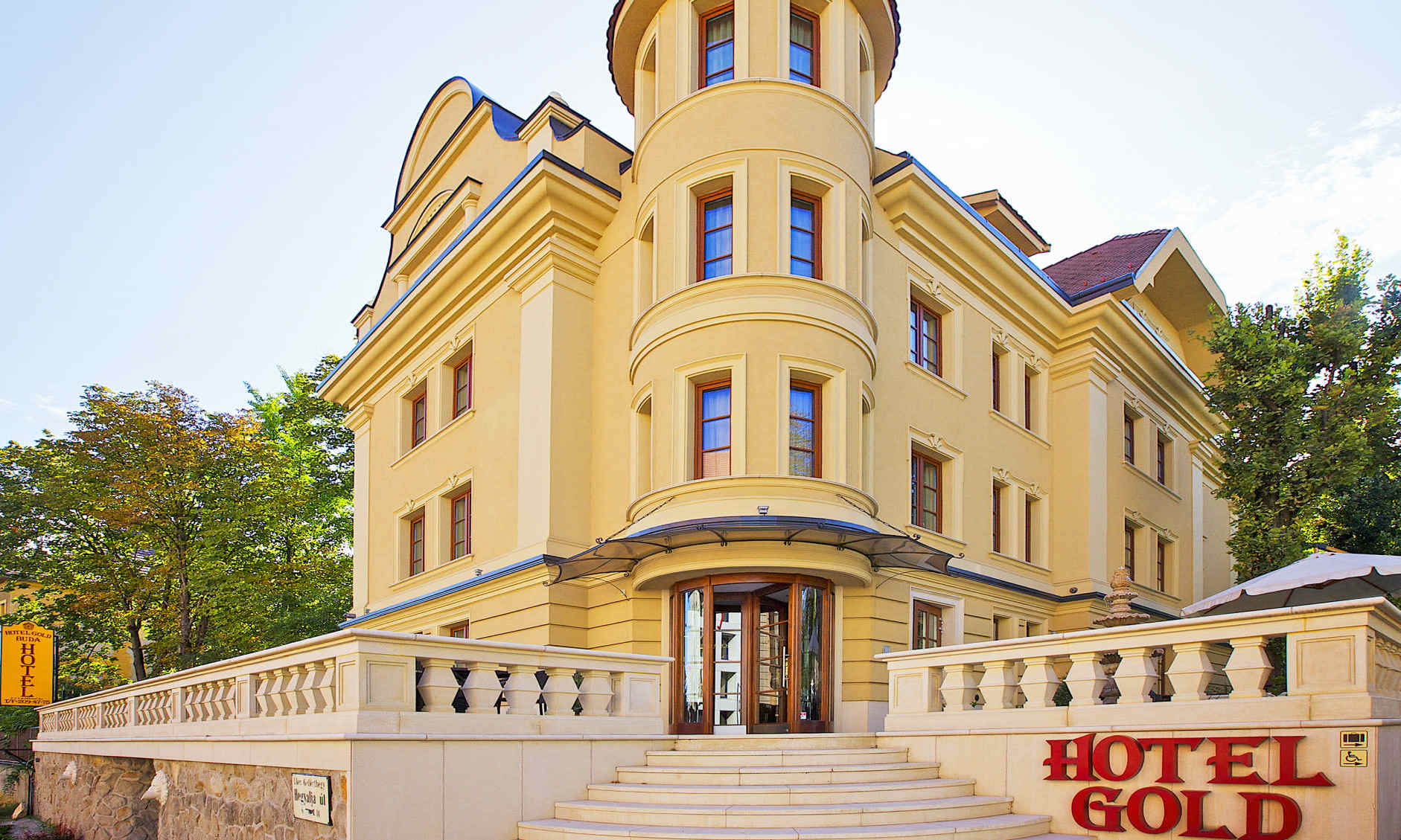


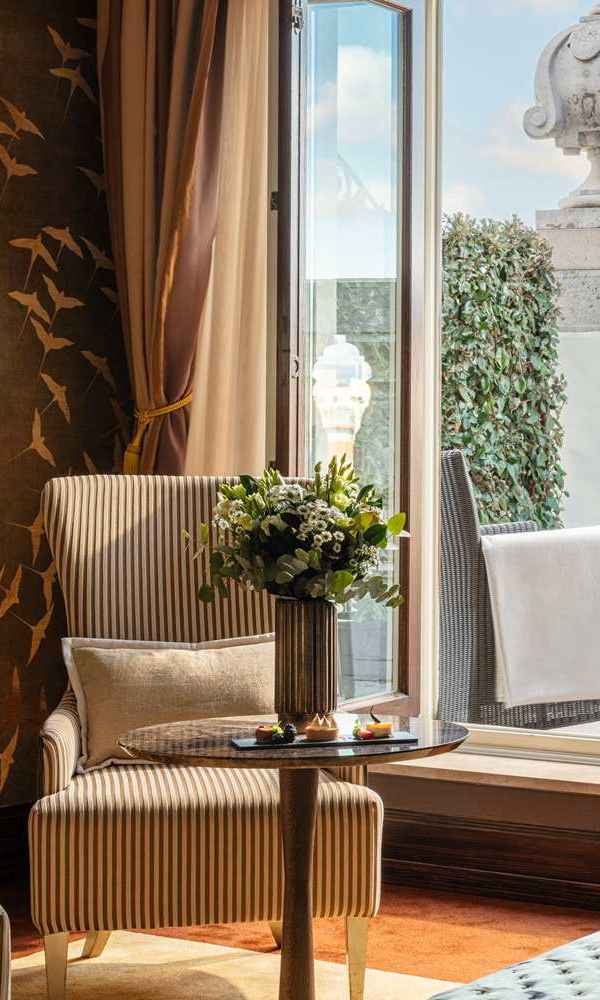
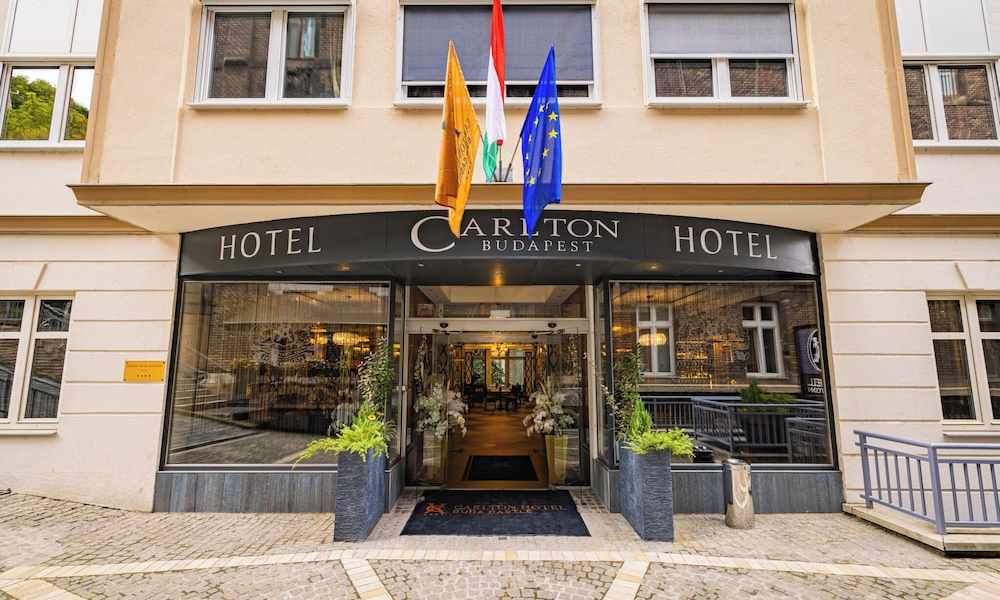

Top holiday packages to Budapest
- from Dublin, International (DUB)
- from Cork, International (ORK)
Trusted by thousands of travellers
Cheap holidays to Budapest
Book the best deals on holidays to Budapest today!
- from Dublin, International (DUB)
- from Cork, International (ORK)
Our most popular holiday packages to Budapest
- from Dublin, International (DUB)
- from Cork, International (ORK)
How does booking Flight + Hotel make travel even better?

Combine and Save
Enjoy access to special prices, only available on package deals.

Tailor-made trips
Choose from thousands of flights, hotels and stays.

Spread the cost
Book with a small deposit and pay the rest later.

Everything you need
Quickly add insurance, luggage, rental cars and more.
Travel tips for Budapest
Read moreRead less
How to reach Budapest
Arriving in Budapest from Ireland is easy and convenient. Direct flights from Dublin to Budapest typically take around 2.5 hours. Budapest Ferenc Liszt International Airport is located about 16 km southeast of the city centre, and there are several hassle-free ways to get into town:
Public Transport: The 100E airport bus runs directly to Deák Ferenc Square in the heart of the city. The journey takes around 35 minutes and costs about €3 (HUF 2,200). Tickets can be purchased from machines or via the BudapestGO app.
Taxi: Taxis take approximately 25–30 minutes depending on traffic. Expect to pay between €25 and €30. Use the official Főtaxi stand at the airport for a fixed fare.
Airport Shuttle: A number of private shuttle services are available for door-to-door transfers, ideal if you're travelling in a group or with a lot of luggage. Prices vary depending on your destination and group size.
Best time to visit Budapest
Budapest is a year-round destination, but the best time to visit depends on the type of trip you’re after:
Spring (March to May) is ideal for sightseeing. Temperatures range from 10°C to 22°C, the city is full of blooming gardens, and it’s not yet overwhelmed by tourists.
Summer (June to August) is the peak season, with long sunny days and lively festivals. Temperatures sit between 20°C and 30°C – perfect for enjoying riverside bars and Danube cruises, though it can get crowded.
Autumn (September to November) offers mild temperatures (15°C to 25°C), colourful parks and a more relaxed atmosphere. It’s a brilliant time to visit if you want fewer queues and lower prices.
Winter (December to February) turns the city into a festive haven with Christmas markets, mulled wine and thermal baths surrounded by snow. It’s chilly, with averages between 0°C and 5°C, but wonderfully atmospheric.
Practical information
Spoken languages: Hungarian is the official language, but English is commonly spoken in tourist areas, hotels, restaurants and attractions.
Local habits and customs: In restaurants, tipping is expected – 10% is standard. It’s customary to hand the tip directly to the server or to indicate you’ll add it to the card payment before they process it. In Hungary, saying "thank you" when handing over cash can be taken to mean "keep the change", so be mindful of that.
Currency: The Hungarian Forint (HUF) is the local currency. While credit and debit cards are accepted in most places, it’s useful to carry some cash for smaller shops or market stalls. ATMs are widely available throughout the city.
Health and safety: Budapest is generally safe, though like most cities, pickpocketing can occur in busy areas, especially on public transport or in crowded tourist spots. Keep valuables secure, especially when visiting the baths or large markets.
Getting around: The public transport system is excellent. The metro has four lines, trams and buses are reliable, and you can use the BudapestGO app to plan routes and buy tickets. A single ticket costs around €1.20, but a 24-hour travel pass is good value if you're planning to explore widely.
Electricity and plugs: Hungary uses standard European 230V electricity with two-pin plugs (Type C and F). Travellers from Ireland will need an adaptor.
Time zone: Budapest operates on Central European Time (CET), which is 1 hour ahead of Irish time. Daylight Saving Time is observed from late March to late October.
Travel documents: Irish citizens don’t need a visa to travel to Hungary. A valid passport is required, but you can stay as long as you like as Hungary is part of the EU.
With all this in mind, your Budapest holiday is set to be a mix of beauty, culture, and relaxation. Whether it’s your first visit or a return trip, there’s always something new to discover in Hungary’s charming capital.
Read moreRead less
Best things to do in Budapest
Budapest is a city of imposing scale and wide Danube vistas. It is split by the river into historic Buda and buzzy Pest and offers both the old (imperial-era boulevards, Art Nouveau coffeehouses, bubbling Turkish baths) and the new (quirky warehouse bars and summer riverboat clubs).
Viewpoints and panoramas
Fisherman's Bastion: Constructed in 1902 on the spot supposedly defended in the past by the guild of fishermen against would-be invaders, it's an excellent place for looking out across the river to the splendid Parliament building.
Gellért Hill: A short hike up here brings you to some breathtaking views of Budapest, including the magical sweep of the Danube.
The best districts
Castle District: The crowning feature of the Buda side, this 1.6km long plateau rises steeply from the Danube bank, bearing the imposing Buda Palace, a web of cobbled streets and the Mátyás Church, symbolic of Hungarian nationalism.
Pest: Thick with hip cafés and bars, as well as being home to the historic Belváros (central old town) and the intimate Jewish district.
Gozsdu Udvar: Magical complex of six interconnecting courtyards, Gozsdu Udvar houses an antiques market, cocktail bars, American diner-style restaurants, pull-your-own-pint pubs, cafés, handicraft stalls, Latin-themed bars and penny arcades.
Museums
Statue Park: Housing statues of Marx, Engels, Lenin and friends, as well as heroic scenes from Communist legends, this park also gives a lively glimpse into Hungary's Communist past for the uninitiated.
House of Terror: A dramatic memorial museum to the victims of state repression, occupying the former headquarters of the secret police.
Hungarian National Gallery: Showcased in the imposing Royal Palace, this is Hungary's premier collection of home-grown art, from Gothic altarpieces to Art Nouveau and Abstract Expressionism.
Historical monuments
St Stephen's Basilica: An assertive 19th-century cathedral whose heavy ornamentation inspires awe more than contemplation.
Great Synagogue: The world's second-largest synagogue and the central place of worship for what remains – despite the devastation of the Holocaust – of Central Europe's largest Jewish community.
Parliament Building: The most unmissable sight in Pest by far, this is Hungary's biggest and arguably most beautiful building.
Parks and gardens
Margaret Island: A green oasis in the middle of the Danube, the island has a lovely rose garden, a mini zoo and a musical fountain that plays popular tunes.
City Park (Városliget): Vast green acres girdled by an artificial lake that's used for boating in the summer and transforms into a splendid outdoor ice rink in winter.
Day trips in the area
Szentendre: On the west bank of the Danube Bend, this is a popular day trip from Budapest, a picturesque if rather touristy "town of artists" with narrow cobbled streets and quaint houses.
Lake Balaton: Dubbed the "Hungarian sea", its built-up southern shore features loud resorts such as Siófok, which brands itself as the "capital of summer", while gentler Keszthely perches on the western tip.
Activities for families in Budapest
The city has many kid-centric attractions, from the wonderful zoo carousel and the Houdini Museum's magic displays to the interactive Centre of Scientific Wonders and the Railway History Park.
Zoos and parks: As famous for its architecture as its animals, the city's fabulous zoo will entertain kids and parents alike – don't miss the elephant house.
Cogwheel and Children's Railways: Kids and adults alike will love this 3km climb up into the Buda Hills; and once you've reached the upper terminus, you can board the narrow-gauge railway, which runs for a further 11km through deep woods.
River cruises: What better way to appreciate the not-always-so-blue Danube than on a lazy afternoon cruise?
Free things to do in Budapest
Budapest is a city where you really don't need to spend much to enjoy the best of it.
Free walking tours: Budapest Tours offers various free excursions, the most popular of which is the Orientation Tour (daily 10.30 am from Deák tér; 2hr 30min).
Explore the city by tram: The iconic tram 2 route runs along the Danube and provides fantastic views of the Parliament Building, Buda Castle and the Chain Bridge. It's a budget-friendly way to sightsee, with a single ticket costing just HUF 350.
Annual festivals: Budapest's festivals are a delight. The Budapest Spring Festival and the Festival of Folk Arts in Buda Castle both feature free performances, music and craft demonstrations. There's also the festive Christmas market at Vörösmarty Square, where you can enjoy the atmosphere without spending a penny, though you'll be sorely tempted to.
Nature and outdoor activities in Budapest
Budapest is not just about urban delights; it also offers plenty of green spaces and activities for those who want to reconnect with nature.
Hiking: The Buda Hills are as close to nature as you can get within the city limits, and are a favourite place for walking in all seasons, with trails marked with distance or duration.
Water sports: Taking a canoe or kayak out on the Danube can be exhilarating. The Béke Boathouse is a 10-minute walk from the Rómaifürdo HAV station.
Caving: Obuda offers the opportunity to explore a couple of fascinating cave systems. You can walk around them without any special equipment, or you can go on more adventurous visits with Caving under Budapest – you don't need caving experience, but you do need to be fairly fit and agile, as you'll be climbing on walls and squeezing through passageways.
Read moreRead less
Local dishes in Budapest
For foreigners, the archetypal Magyar dish is still goulash, although various foreign influences have helped diversify the country's cuisine. Hungary's Slav visitors introduced native cooks to yoghurt and sour cream, while the influence of the Turks, Austrians and Germans is apparent in a variety of sticky pastries and strudels, as well as in recipes featuring sauerkraut or dumplings.
Some typical dishes
Goulash (Gulyás): The classic Magyar dish, this thick soup comprises hunks of beef along with paprika and vegetables.
Paprika: An ingredient as opposed to a dish, paprikás is a general name given to dishes seasoned with paprika and served with sour cream sauces, especially fish, fowl and veal dishes.
Meat dishes
Pörkölt: Similar to a stew, this is a slow-cooked dish made with meat (often beef or pork), onions, paprika and spices and served with nokedli (small dumplings).
Chicken paprikash (Paprikás Csirke): Classic Hungarian comfort food, tender chicken pieces cooked in a creamy paprika sauce and served with dumplings or rice.
Fish and seafood dishes
Pike-perch (fogas): This firm, almost boneless white flesh is best tasted fresh on the shores of Lake Balaton.
Fish soup: The fish (catfish, carp and either sturgeon or pike-perch) is layered in a big pot, then simmered with onions, paprika and water.
Street food
Lángos: Deep-fried dough topped with sour cream and cheese, though you can find versions with garlic, ham and other toppings.
Sweets and desserts
Kürtoskalács: Also known as chimney cakes, these spiral-shaped pastries are coated with sugar and cinnamon, and sometimes ground walnuts or chocolate.
Dobos Torte: Named after its creator, József Dobos, this layered sponge cake is filled with chocolate buttercream and topped with caramel.
Local drinks
Pálinka: Potent fruit brandy made from plums, apricots or other fruits, this has to be sampled at least once.
Tokaji wine: The "king of wines, the wine of kings," Tokaji is a sweet, and very moreish, dessert wine that's been produced in Hungary for centuries.
Your Budapest questions answered
The most popular places to visit in Budapest are: Buda Castle, St. Stephen's Basilica, Fisherman's Bastion.
Budapest is the ideal destination for City break.
Booking a flight + hotel package to Budapest with lastminute.com offers several advantages. By booking both services together, you can take advantage of exclusive deals and choose from thousands of flights and accommodations for the perfect combination. Additionally, you can secure your vacation with a deposit and pay the remaining amount later. You also have the flexibility to add other travel extras such as insurance, rental cars, and luggage to the flight + hotel package as per your preferences.
Connect with us


Mobile app


Support and useful information
Secure payment