How to Reach Cornwall
By Car
Getting to Cornwall by car is straightforward, as it's well linked by road to many parts of the UK. The main route is the A30, which takes you from the M5 motorway at Exeter all the way to Penzance. There's also the A38 that connects Plymouth with Bodmin. Just a heads up, during the holiday season, the roads can get quite busy, so it's a good idea to plan ahead.
By Train
Great Western Railway (GWR) runs regular train services to Cornwall from London Paddington, passing through key towns like Truro, St Austell, and Penzance. If you're keen on overnight travel, the Night Riviera Sleeper service is a handy option from London. You’ll also find connections from cities like Bristol, Birmingham, and Exeter.
By Coach
If you’re looking for a budget-friendly option, National Express and Megabus offer coach services to Cornwall from various towns in the UK. Just keep in mind that the journey might take a bit longer than by train or car.
By Air
Newquay Cornwall Airport is the main airport serving Cornwall, with flights coming in from places like London, Manchester, Birmingham, and other UK cities. You can also find seasonal flights from Europe. The airport is well-serviced by buses and taxis to major towns.
Flight time: Direct flights from London to Newquay take about an hour, which is similar for other major cities like Manchester and Newcastle.
Transfer time: If you’re catching a bus from the airport to the town centre, it takes around 25 minutes, while a taxi ride will take about 15 minutes. Buses also connect the airport with other areas of Cornwall.
Price: The bus fare from the airport to Newquay town centre is roughly £5, while a taxi will set you back about £15 to £20.
By Ferry
If you're coming from the Isles of Scilly, you can hop on the Scillonian III passenger ferry, which sails between St Mary's and Penzance. It’s a lovely, scenic way to arrive in Cornwall.
With a bit of planning, you can kick off your Cornwall getaway without a hitch.
Weather and Best Time to Visit Cornwall
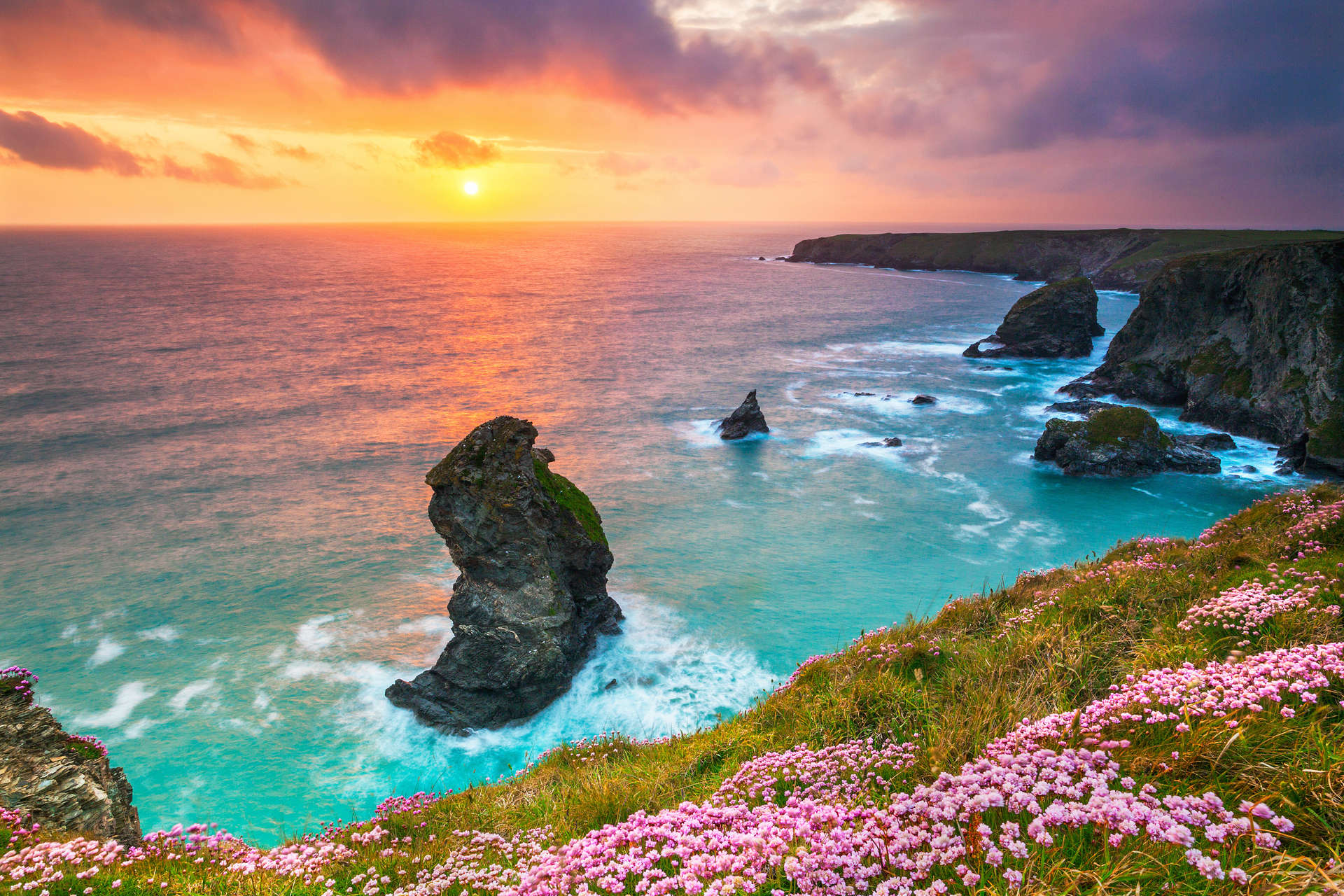
Spring (March to May): This is a lovely time to visit, as the beautiful plants and shrubs along the south coast are in full bloom. Plus, the coastal walks are a joy without the summer crowds.
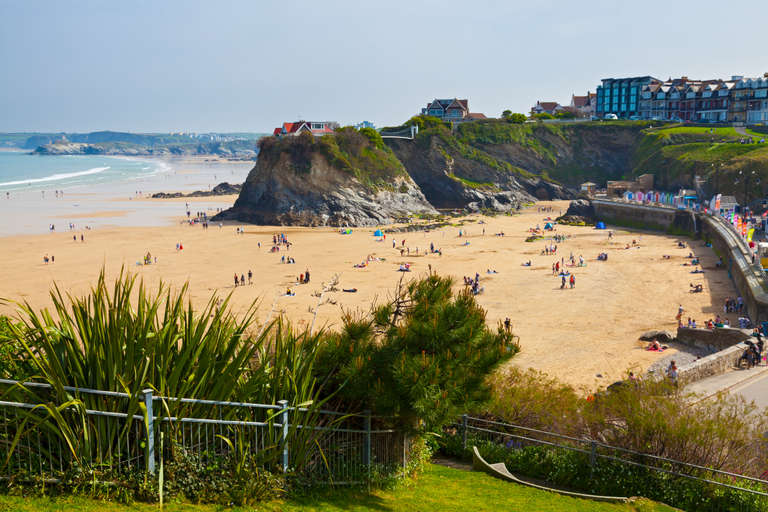
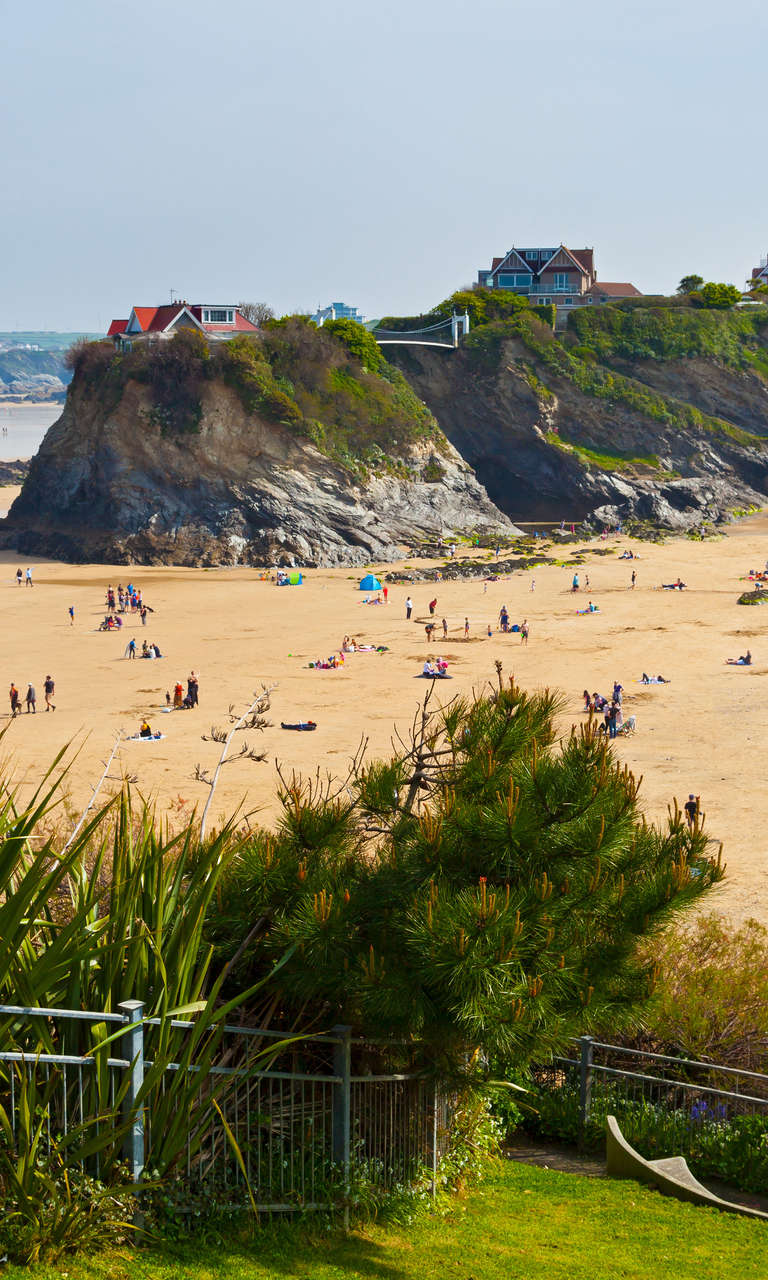
Summer (June to August): Cornwall enjoys some of the warmest summer temperatures in Britain, often reaching between 18°C to 23°C. The sea is typically at its warmest, and rain tends to be less frequent. Although it’s peak tourist season, it’s ideal for surfing and beach activities.
Autumn (September to November): The changing colours of autumn create a stunning landscape, especially on the moors. Just be mindful of strong winds, which can be quite chilly.
Winter (December to February): This is the quietest time of year, and while it can be wet and windy, you might catch some breathtaking coastal views. Average temperatures range from 4°C to 9°C, with the odd milder day.
Practical Information
Spoken languages: English is the main language you'll hear, and while Cornish is acknowledged, it's not commonly spoken.
Local habits and customs: The people of Cornwall are generally laid-back but take great pride in their heritage. Many shops in smaller towns tend to close early, and some have reduced hours on Sundays.
Health and safety: Cornwall is a safe place to explore, but be cautious when walking along the coastal cliffs. The currents can be powerful, so it’s advisable not to swim alone.
Currency: They use the British Pound Sterling (£). You’ll find ATMs all over, and credit/debit cards are accepted almost everywhere.
Getting around: While you can get around Cornwall by bus and train, services might be infrequent in rural areas, especially on Sundays. A standard bus fare in urban areas starts at around £2.50. For more flexibility, thinking about renting a car could be a good shout.
Time zone: Cornwall follows GMT, switching to British Summer Time from late March to late October.