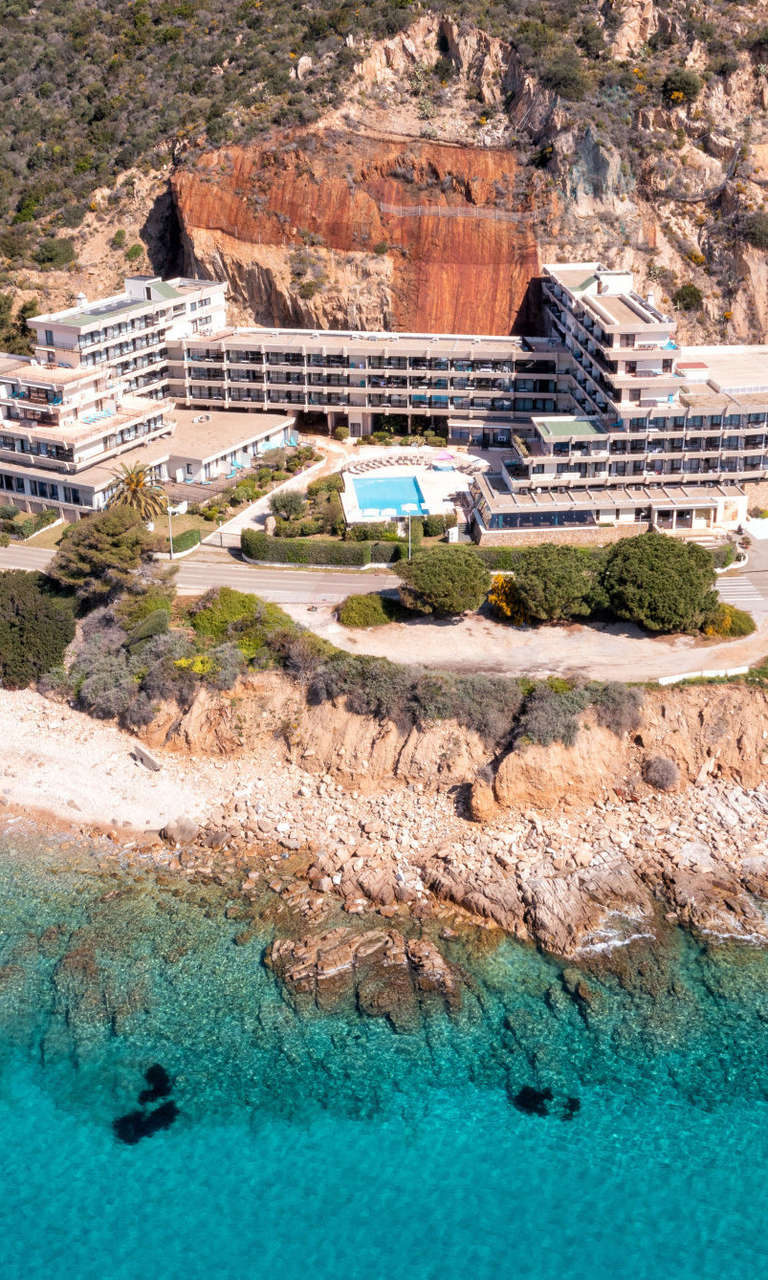
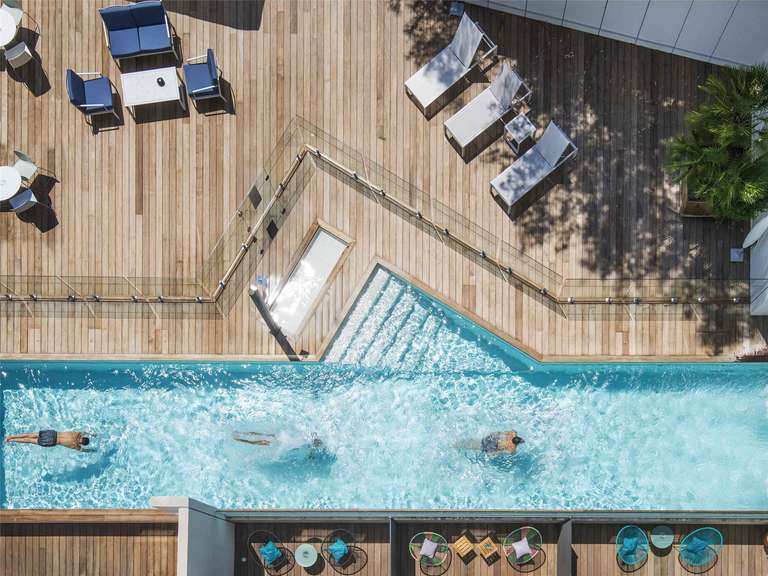
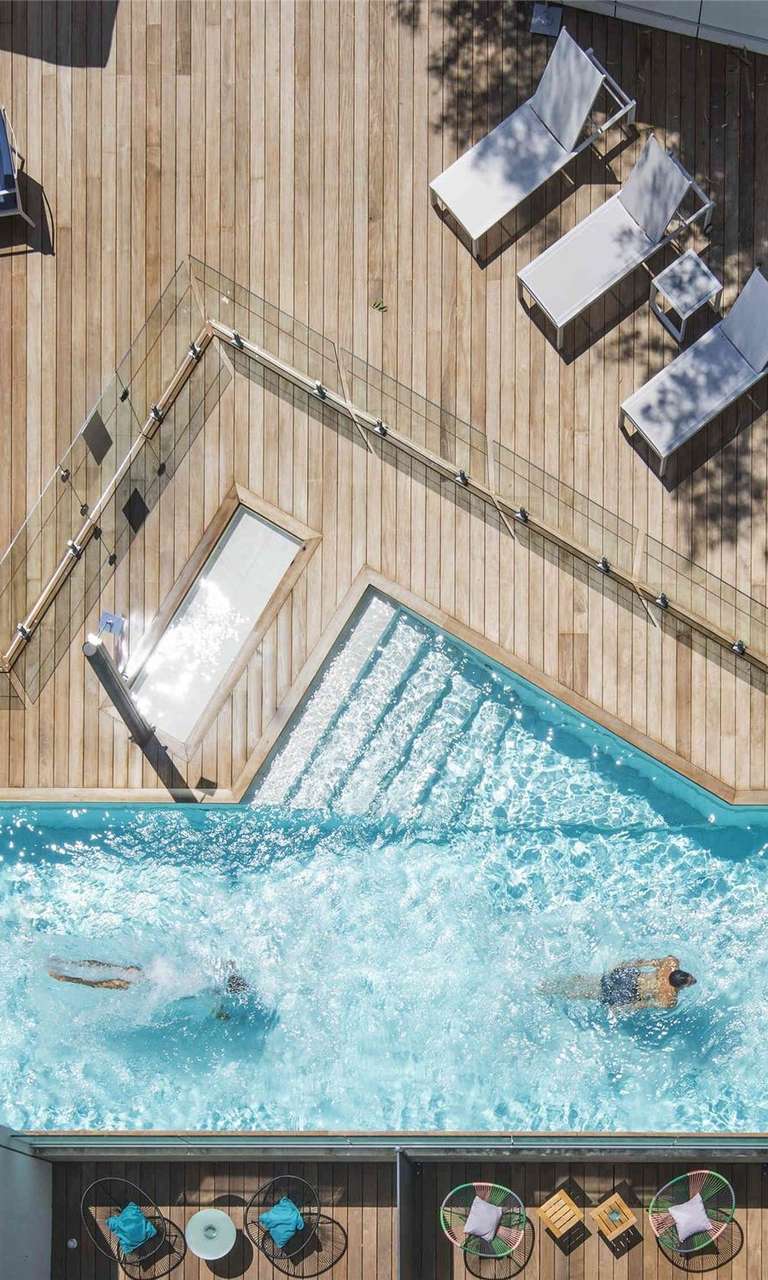
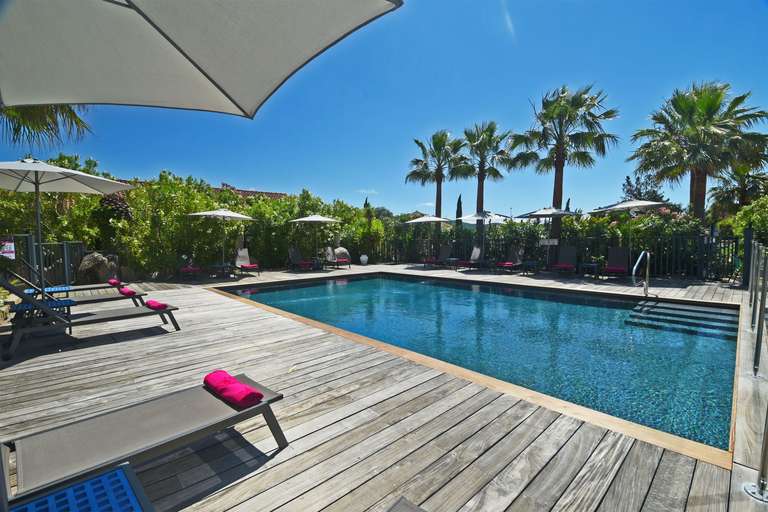
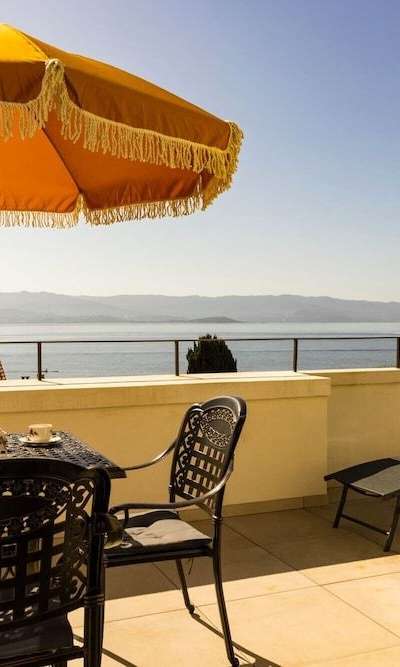
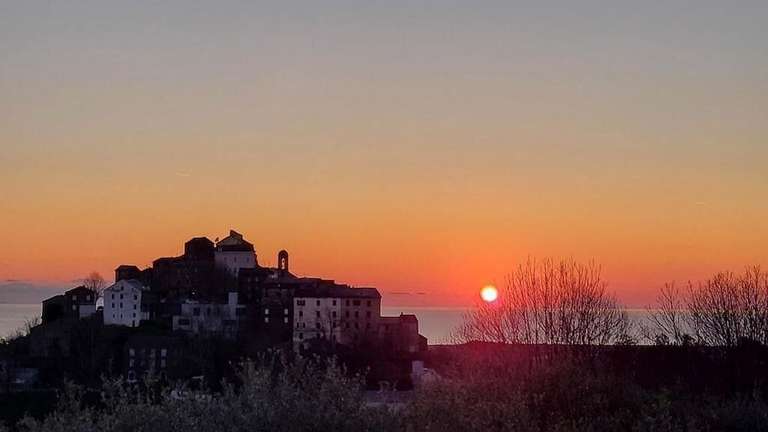
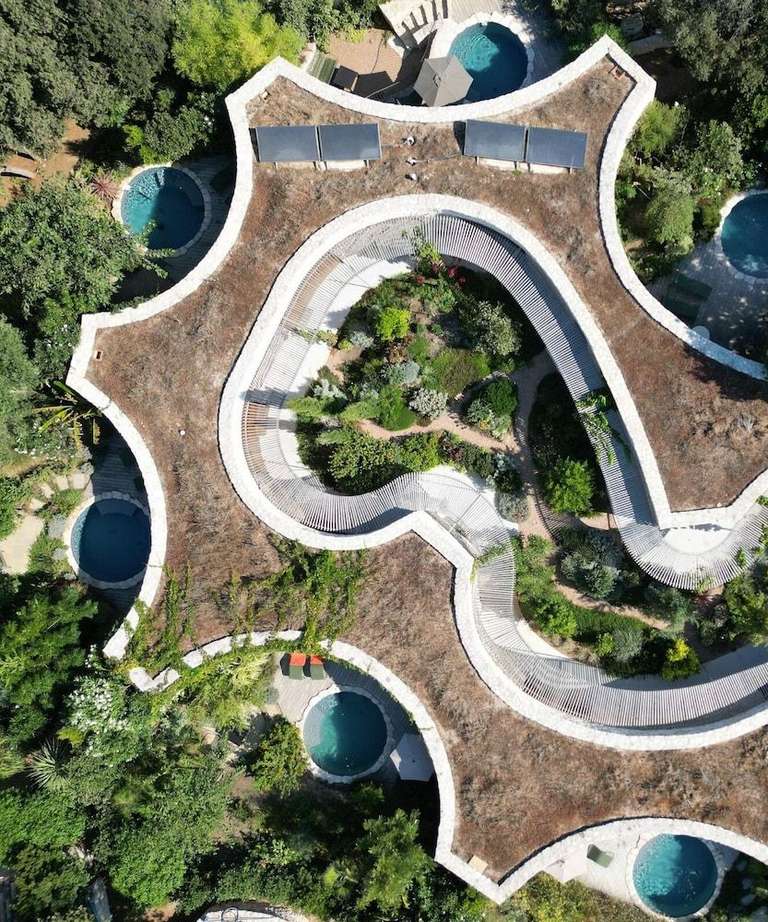
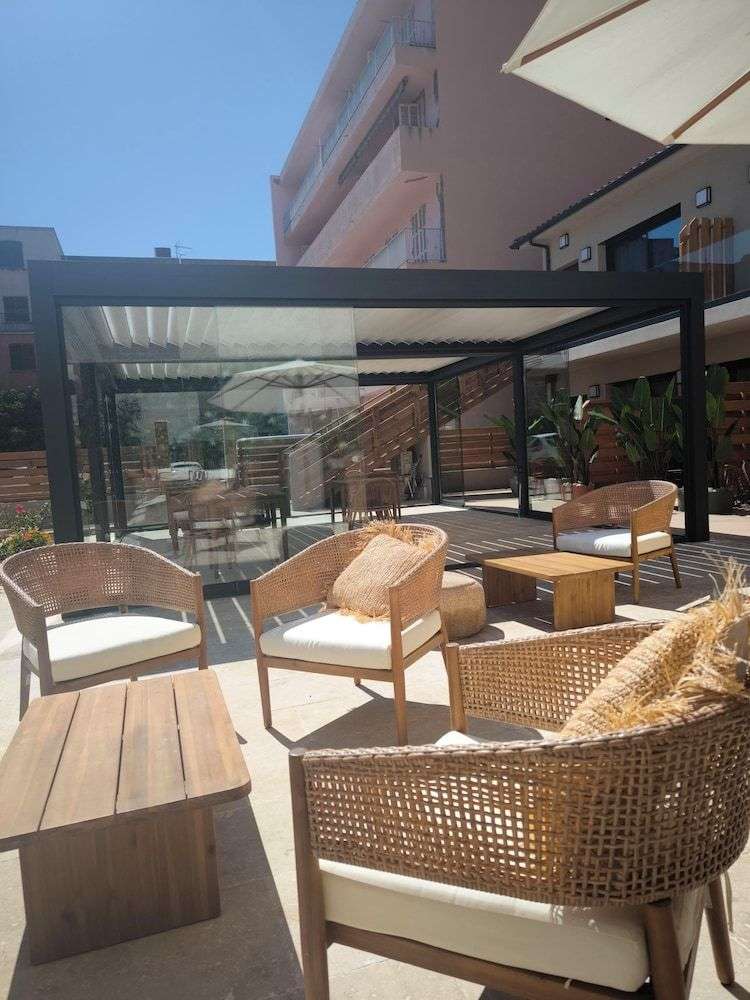
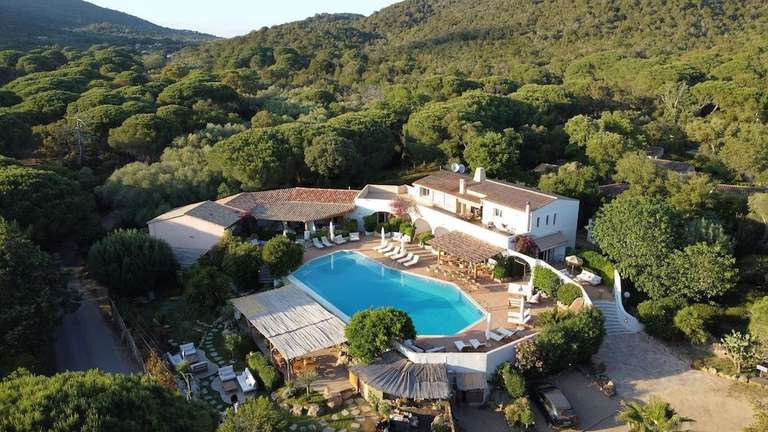
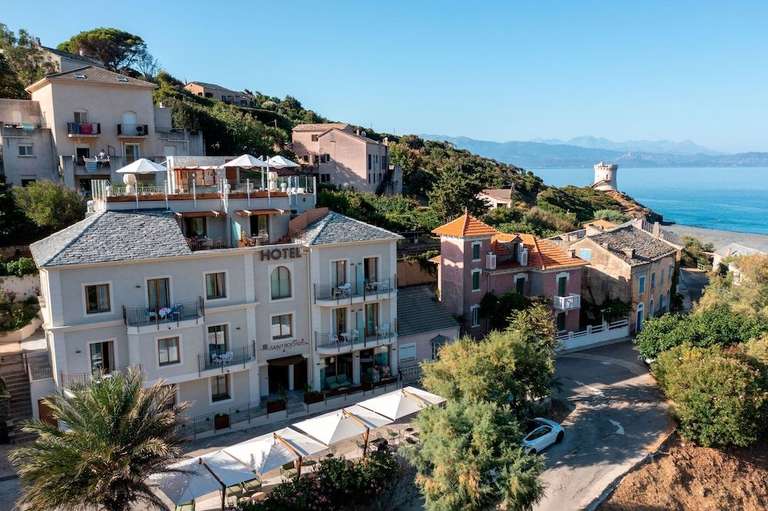
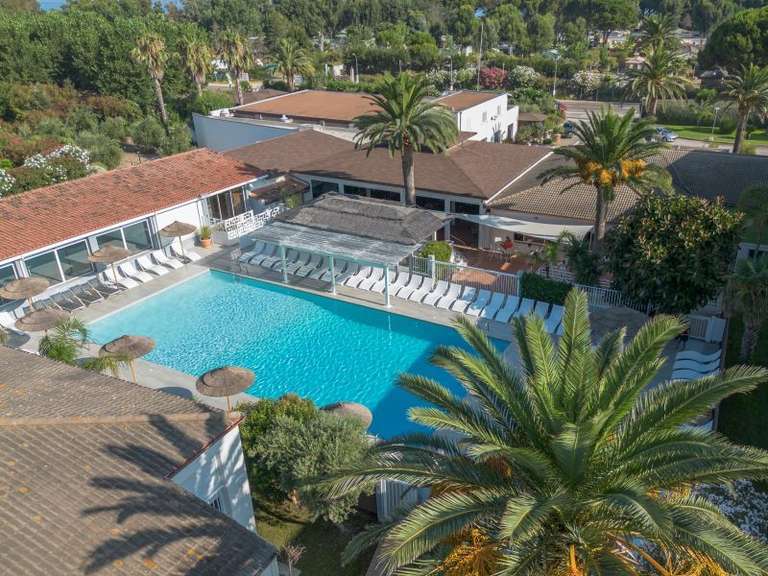
Corsica holidays promise an unforgettable escape to a land of stunning landscapes and rich cultural heritage. Nestled in the heart of the Mediterranean, this enchanting island boasts breathtaking coastlines, lush mountains, and charming villages that beckon travellers from all corners of the globe. Whether you’re seeking adventure on the rugged hiking trails or relaxation on the sun-kissed beaches, Corsica offers a perfect blend of experiences for every type of holidaymaker. Explore the vibrant local cuisine, delve into its fascinating history, and immerse yourself in the warm hospitality of its people. Don’t miss the chance to discover all that this spectacular island has to offer—check out our fantastic deals for your next getaway to Corsica!
Find exceptional, limited-time savings on Flight + Hotel holidays, exclusive to lastminute.com
Enjoy access to special prices, only available on package deals.
Choose from thousands of flights, hotels and stays.
Book with a small deposit and pay the rest later.
Quickly add insurance, luggage, rental cars and more.
Book the best deals on holidays to Corsica today!
Flight time: If you're heading to Corsica from Dublin, you'll be looking at about a 2 hour 30 minute flight. The island has four airports to choose from: Ajaccio, Bastia, Calvi, and Figari.
Transfer time: Bastia's Poretta airport is located 16km south of the town and is connected to the centre by shuttle buses that take roughly 45 minutes. Calvi's Ste-Catherine airport is just 7km south of Calvi, and the only way to get into town is by taxi, which takes about 10 minutes. From Ajaccio's Napoléon Bonaparte Airport, situated 8km south of the town, you'll find shuttle buses, or navettes, that make the trip into the centre in about 20 minutes, with a handy stop at the train station.
Price: Shuttle buses on all these routes cost around €8-10, while a taxi ride will set you back anywhere from €20 to €30.
When planning your trip to Corsica, consider how you handle heat and crowds before choosing your dates.
April to June: Springtime is a fantastic time to visit Corsica. The temperature starts to warm up, ranging from 15°C to 25°C, and you can expect about 8-10 hours of sunshine each day. Rainfall is moderate, sitting at about 40-60mm per month.
July to August: Summer is peak season, meaning bustling resorts and some serious heat. Temperatures can soar from 25°C to 35°C, with around 11-13 hours of sunshine daily. Keep in mind that the weather in the high mountains can be unpredictable, and storms can brew up suddenly during these months.
September to November: Autumn offers lovely weather, still warm but more pleasant, with temperatures between 20°C and 30°C. The sea remains warm enough for a swim, and hiking in the mountains is more enjoyable than in the peak of summer. Rainfall does increase a bit to around 50-80mm per month, but you'll still get 7-9 hours of sunshine each day.
December to March: Winters are short and relatively mild, with temperatures ranging from 10°C to 15°C. While rainfall rises to about 60-100mm per month, there are just 5-7 hours of sunshine daily. It’s the off-season, making it a great time to check out historical sites without the throngs of tourists.
Spoken languages: French is the official language, but you'll also hear Corsican. English isn’t as widely spoken, so picking up a few basic French phrases can be quite handy.
Local habits and customs: The Corsicans take pride in their traditions and enjoy a laid-back way of life. Siestas are a common practice, and many shops tend to close early in the afternoon.
Health and safety: Although Corsica has a reputation for crime, it mainly involves local gangs. Just stay cautious in busy tourist hotspots. If you need emergency services, simply dial 112.
Currency: The Euro (€) is the currency of Corsica. ATMs are easy to find, and most places accept credit cards.
Getting around: Public transport is somewhat limited, so hiring a car is by far the best way to explore Corsica. You can expect a couple of daily services to major spots from Bastia and Ajaccio, and along the east coast to Porto-Vecchio and Bonifacio. Additionally, Corsica’s little train chugs through the mountains from Ajaccio to Bastia via Corte, with a branch line heading northwest to Calvi.
Electricity and plug types: The voltage is 230V, so you’ll need plugs with two round pins if you’re coming from Ireland.
Time zone: Corsica operates on Central European Time (CET), which is 1 hour ahead of GMT, and Daylight Saving Time is observed.
Required travel documentation: If you're an Irish citizen, all you need to enter France is a valid passport. No visa is required for stays of less than 90 days within a 180-day period.
Home to an Italian-leaning culture and cuisine, and some fascinating Neolithic sculptures, this magnificent rugged island has some of the most diverse landscapes - and finest beaches - in all of Europe.
Belvédère, Corte: The viewing platform in the town's Haute Ville gives a wonderful view of the converging rivers and encircling forest – while a summer bar adds to the attraction.
Calanques de Piana: These dramatic red rock formations offer breathtaking views over the Gulf of Porto, the colour contrast between the sea and cliffs nothing less than spectacular.
Col de Bavella: This lofty mountain pass in the Alta Rocca region offers unsurpassed views, whether you're hiking or driving.
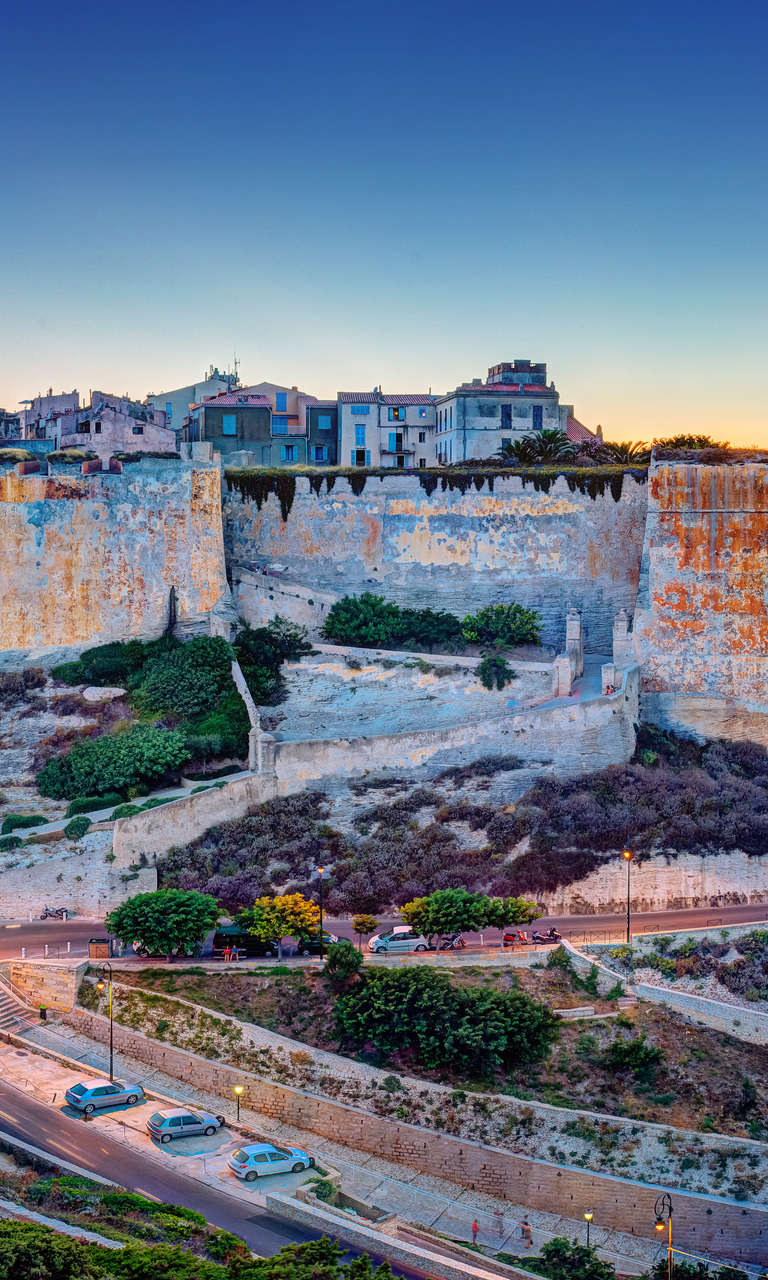
Bastia: Corsica's most successful commercial town is also one of charismatic dereliction, its old town comprising a tightly packed network of haphazard streets and flamboyant Baroque churches.
Corte: A nationalist stronghold, with loads of 18th-century charm and a rugged mountain setting, Corte epitomises l'ame corse, or "Corsican soul".
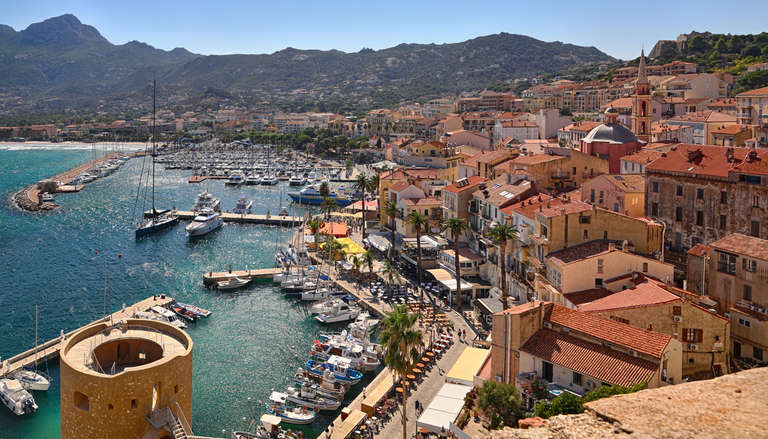
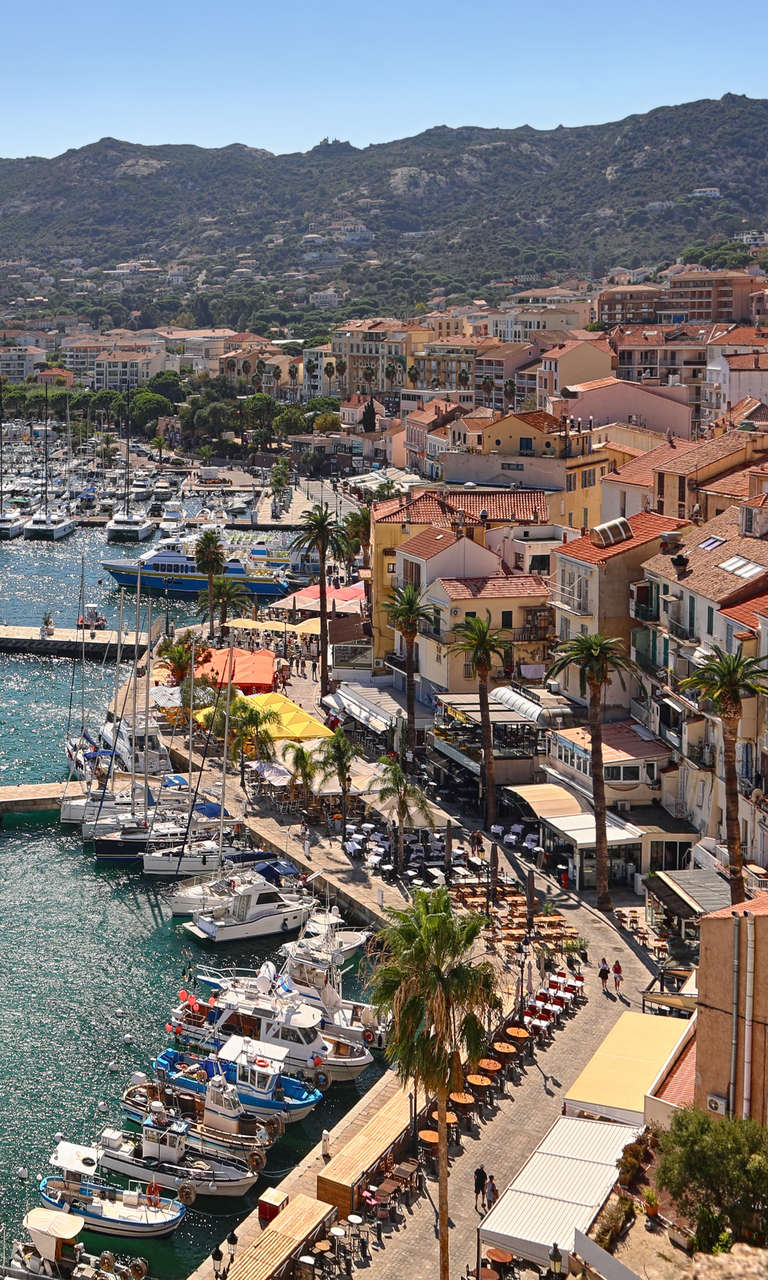
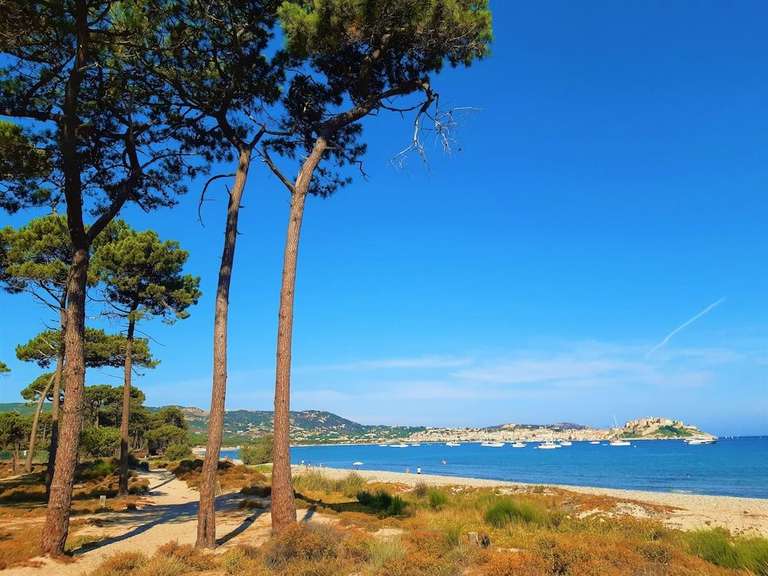
Calvi: Corsica's hallmark resort, framed by snowy peaks and a spectacular blue gulf.
Maison Bonaparte, Ajaccio: Napoleon's birthplace now houses an endless display of portraits, miniatures, weapons, letters and documents.
Musée Jérome Carcopino, Aleria: Holding remarkable finds from the Roman site, including Hellenic and Punic coins, rings, belt links, elaborate oil lamps decorated with Christian symbols, Attic plates and a 2nd-century marble bust of Jupiter Ammon.
Cimetière Marin, Bosco: Its white crosses standing out sharply against the deep blue of the sea, the cemetery is a fascinating place to explore, with its flamboyant mausoleums displaying a jumble of architectural ornamentations.
Station Préhistorique de Filitosa: This extraordinary site comprises a wonderful array of statue-menhirs and prehistoric structures encapsulating some 8,000 years of history.
Golfe de Porto: The red porphyry cliffs of Corsica's wild northwest coast rise from a bay of exquisite cobalt blue to a wall of snow-streaked granite mountains.
Porto: The overwhelming proximity of the mountains, combined with the pervasive eucalyptus and spicy scent of the maquis, give Porto a uniquely intense atmosphere that makes it one of the most interesting places to stay on the west coast.
Families won't want for things to do on their Corsica holidays, thanks to a plethora of fantastic activities.
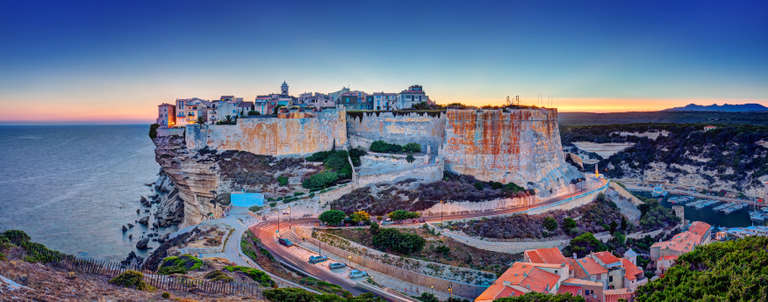
Boat trips: A number of firms run boat excursions out of Porto, typically combining a tour of the Réserve Naturelle de Scandola headland with a stop at Girolata. Alternatively, catch a navette from the harbour in Bonifacio for imposing views of the famous chalk cliffs and haute ville.
Train rides: Known as the Trinichellu (Little Train), Corsica's Chemins de fer de la Corse rail network traverses its rugged interior, with a particularly scenic ascent from Ajaccio to Corte, Gustave Eiffel's famous viaduct and the Bridal Veil waterfall just two things to look out for. Take a picnic and away you go.
Aquariums and zoos: Europe's leading centre for turtle and tortoise research, breeding and conservation, A Cupulatta near Ajaccio is home to over 170 species, including terrapins, alligator and cherry turtles, giant Galapagos and Seychelles tortoises.
You could spend weeks on the island and not worry about having to dip into your wallet too often, with beaches galore and some of the country's most accessible sites to explore.
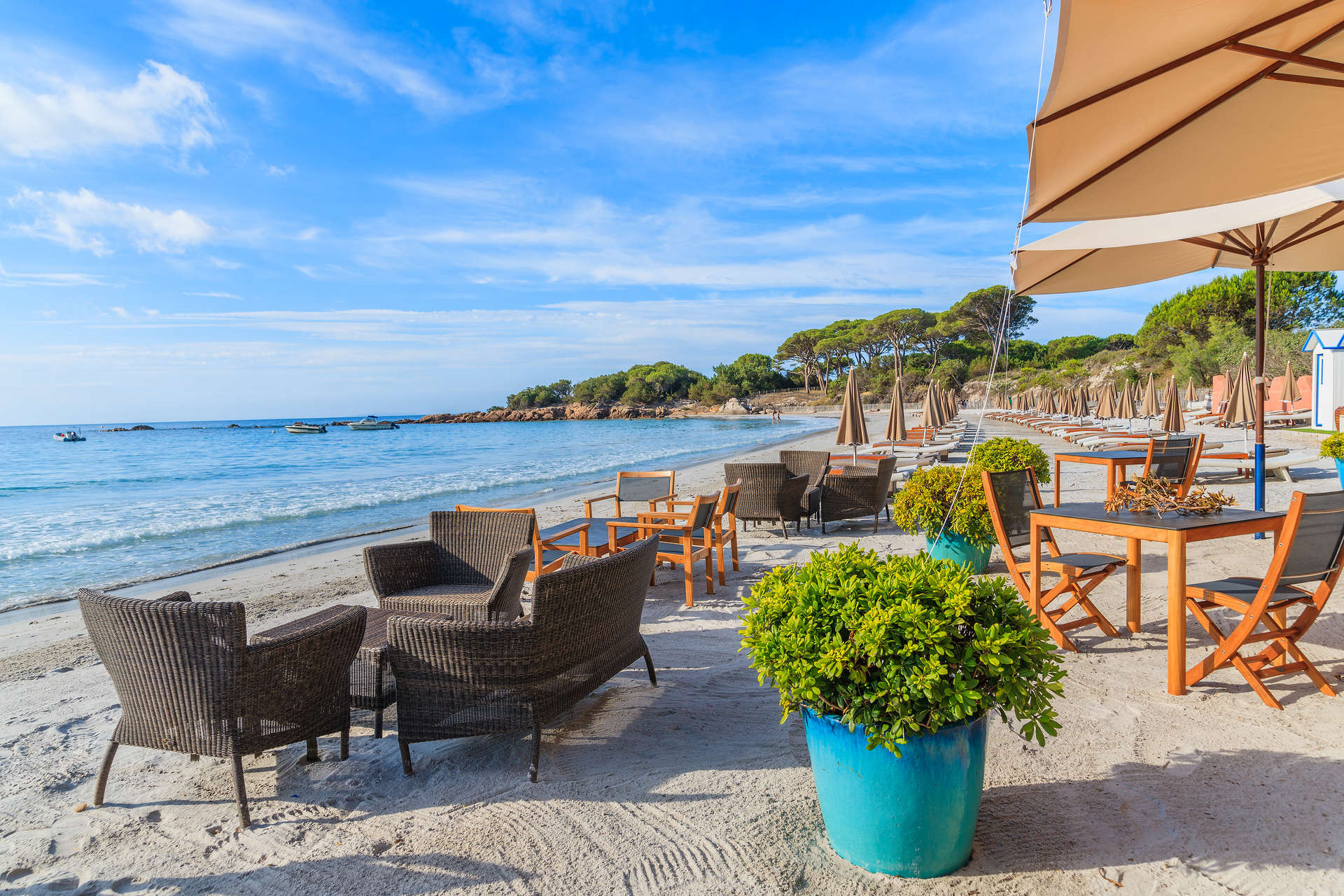
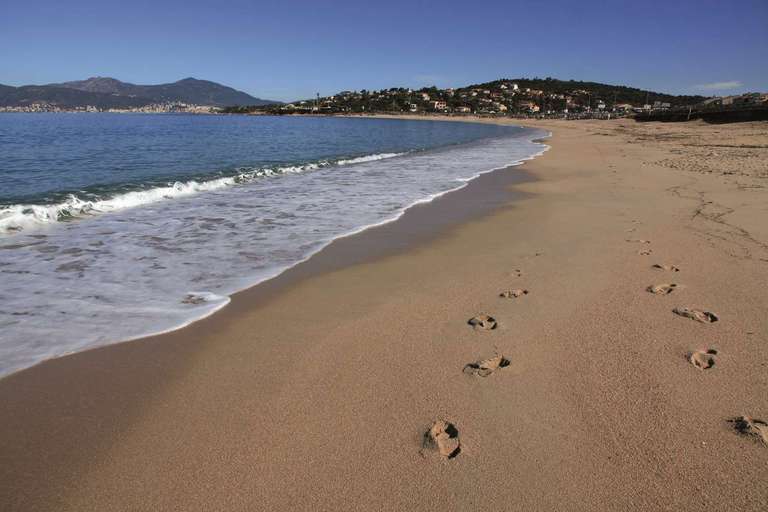
Beaches: Some of France's best beaches are found on Corsica, with its white-shell sand and turquoise water: for starters, there's Palombaggia, Santa Giulia and Saleccia, but you'll no doubt find your own fantastic spot.
Historical sites: The island is blessed with innumerable historical sites such as the ancient Genoese towers scattered along the coast and the prehistoric site of Filitosa, most of which are completely free to visit.
Corsica is one giant outdoor playground, boasting some of the continent's most stupendous mountains (for hiking and cycling) and beach resorts (for watersports), not to mention scintillating wildlife.
Hiking: Arguably France's most dramatic – and most demanding – long-distance footpath, the GR20 climbs through and over Corsica's precipitous mountains; while the Mare a Mare trails cross the island from coast to coast.
Wildlife: The extraordinary Réserve Naturelle de Scandola supports significant colonies of seabirds, dolphins and seals, as well as some remarkable fish such as the grouper, a species more commonly found in the Caribbean - you might even see the odd fish eagle.
Water sports: The island's coastline and rivers provide excellent spots for water sports: kayaking and canoeing in the Gorges de l'Asco; windsurfing and sailing along the beaches of Calvi and Porto-Vecchio; and scuba diving around Ajaccio and Bonifacio.
Canyoning: One of the most popular high-octane sports on the island is canyoning, especially in the Verghellu Canyon south of Corte where you'll navigate rope courses, zoom along a long zip line, slide over chutes, abseil down rock faces and leap off into transparent plunge pools.
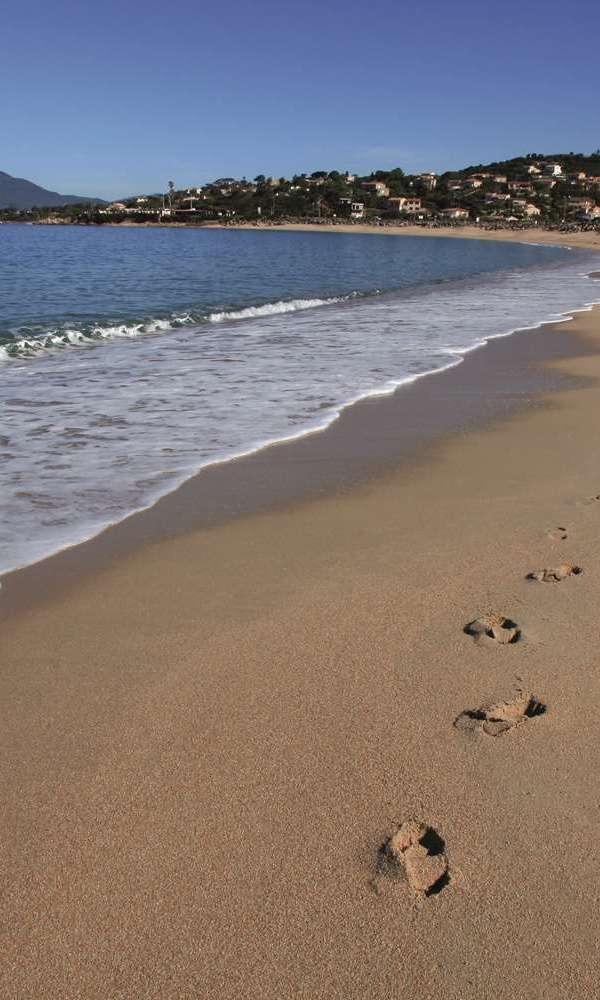
Corsica is known for its stunning coastline, featuring a diverse array of beaches that range from secluded coves with turquoise waters to expansive stretches of soft white sand. Whether you're looking to bask in the sun, swim in crystal-clear waters, or explore vibrant marine life, Corsica's beaches offer something for everyone.
Palombaggia Beach is one of Corsica's most famous beaches, renowned for its soft white sand and clear, shallow waters. It's an ideal spot for:
Swimming and snorkelling: The calm, warm waters are perfect for swimming, and the nearby rocks provide great snorkelling opportunities to discover colourful fish and marine life.
Family-friendly atmosphere: With its gentle slope and shallow waters, Palombaggia is ideal for families with young children looking to enjoy a safe and fun day at the beach.
Beach amenities: The beach is lined with several restaurants and bars where you can enjoy a meal or a refreshing drink with a view of the sea, making it easy to spend the whole day here.
For those seeking a picturesque setting, Santa Giulia Beach offers a breathtaking lagoon with soft sand and sparkling turquoise waters:
Water sports and activities: Santa Giulia is a hub for water sports enthusiasts, offering activities such as paddleboarding, kayaking, and jet skiing, perfect for those looking to add some excitement to their beach day.
Beautiful scenery: The beach's backdrop of pine forests and mountains creates a stunning natural setting that's perfect for relaxation and photography.
Crystal-clear waters: The shallow, clear waters of the lagoon are perfect for swimming and snorkelling, making it a favourite spot for both locals and tourists.
For a more secluded beach experience, head to Rondinara Beach, a hidden gem located in a natural bay:
Unique horseshoe shape: Rondinara's distinctive horseshoe-shaped bay offers calm waters sheltered from the wind, ideal for swimming and floating.
Tranquil and peaceful: This beach is less crowded than some of Corsica's more famous spots, making it perfect for those looking to relax in a quiet, natural setting.
Natural beauty: Surrounded by lush hills and wild landscapes, Rondinara Beach provides a serene environment for sunbathing, picnicking, or simply taking in the stunning views.
For adventure seekers, Saleccia Beach is a remote paradise located in the Agriates Desert, offering a unique beach experience:
Unspoiled beauty: Accessible only by boat or a challenging off-road track, Saleccia Beach is one of Corsica's most pristine beaches, known for its fine white sand and crystal-clear waters.
Peaceful and uncrowded: The remote location ensures that Saleccia remains uncrowded, providing a tranquil escape for those looking to disconnect and enjoy nature.
Perfect for nature lovers: The surrounding dunes and pine forests create a beautiful backdrop, making it an ideal spot for a day of exploration and relaxation.
Corsica's coastline offers a beach for every type of traveller, whether you're seeking adventure, relaxation, or a family-friendly environment. From the popular shores of Palombaggia and Santa Giulia to the hidden gems of Rondinara and Saleccia, the island's beaches provide the perfect setting for an unforgettable holiday.
It's the herbs – thyme, marjoram, basil, fennel and rosemary – of the maquis (the dense, scented scrub covering lowland Corsica) that lend the island's cuisine its distinctive aromas and it's a fair bet that you'll spend a lot of time on your holidays to Corsica eating fantastic food.
Brocciu: A soft mozzarella-like cheese made with ewe's milk, this is found everywhere on the island, forming the basis for many dishes, including omelettes and cannelloni.
Civet de Sanglier: The island's signature dish is a scrumptious wild boar stew slow-cooked with carrots, chestnuts, fennel and lots of red wine.
Figatellu: A traditional Corsican sausage made from pork liver and flavoured with garlic and spices, and typically cooked over an open flame.
Agneau Corse: Corsican lamb, much prized for its tenderness, roasted with rosemary and garlic.
Stufatu di Pezzu: A scrummy fish stew packed with a variety of fish, to which is added tomatoes, onions and herbs.
Trout: Freshwater trout from Corsica's rivers, grilled or baked and served with potatoes and fresh vegetables.
Farinata: A savoury chickpea pancake with crispy edges and a delicious custardy centre.
Bastilles: Salty cakes stuffed with onion, spinach and brocciu cheese, these have a powerful taste.
Canistrelli are Corsican biscuits made with flour, sugar and white wine, and come in various flavours, such as lemon, almond and anise. Fiadone is a local cheesecake made with brocciu cheese, lemon zest and eggs.
Corsican wine: The local wine is mostly from indigenous vine stocks that yield distinctive, herb-tinged aromas. Names to look out for include Domaine Torraccia (Porto-Vecchio) and Domaine Fiumicicoli (Sartène).
Cap Corse: A popular aperitif is the drink known as Cap Corse, a fortified wine flavoured with quinine and herbs.
Pietra beer: Corsican beer brewed with chestnut flour, giving it a distinct flavour probably unlike anything else you've ever tasted before.
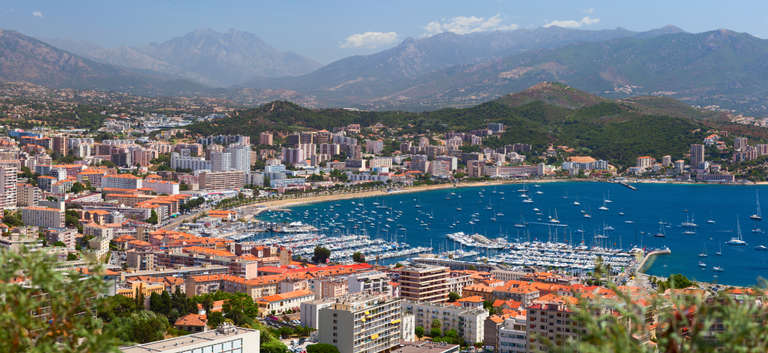
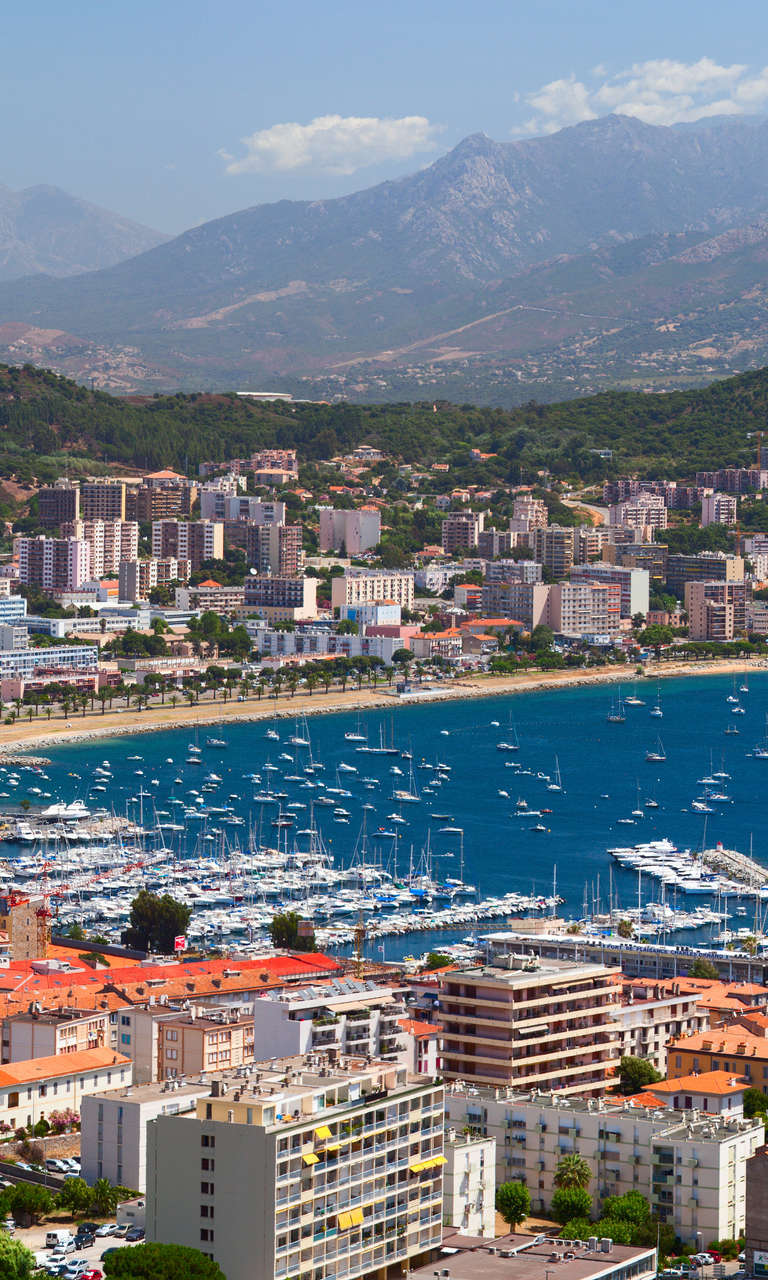
Corsica offers a range of stunning holiday spots for every type of traveller. Discover some of the best areas to stay in, like Ajaccio, Porto-Vecchio, Calvi, Bastia, Porticcio, Propriano, Bonifacio, L'île Rousse, Sari-Solenzara, Borgo.
The most popular places to visit in Corsica are: Cap Corse, Hotel de Ville, Musée Fesch.
Booking a Flight + Hotel package to Corsica with lastminute.com offers several advantages. By booking both services together, you can take advantage of exclusive deals and choose from thousands of flights and accommodations for the perfect combination. Additionally, you can secure your vacation with a deposit and pay the remaining amount later. You also have the flexibility to add other travel extras such as insurance, rental cars, and luggage to the Flight + Hotel package as per your preferences.
Support and useful information
Secure payment